India’s Next Urban Wave: 200–250 Million New Urban Residents Will Make Quality Housing the Real Battleground: BCG

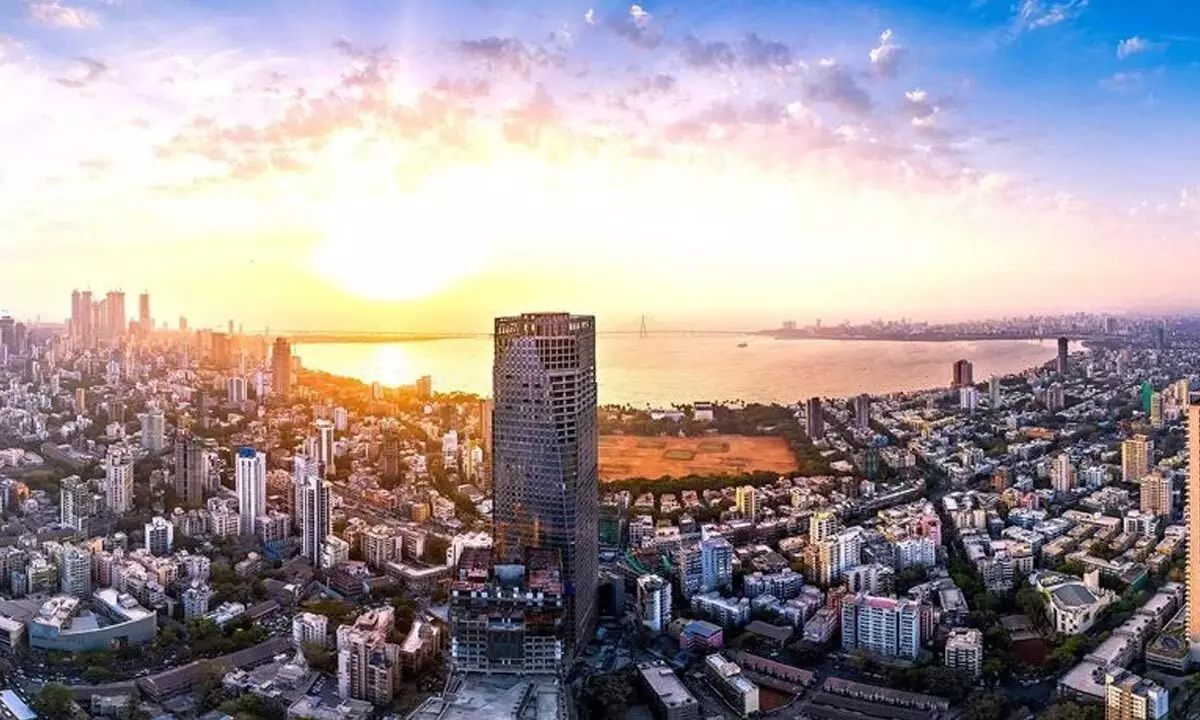
India is on the cusp of one of the largest urban transitions in history, with an additional 200–250 million people expected to urbanise over the next two decades, according to BCG. As India’s towns and cities expand to house over 600 million people by the mid‑2030s and approach 50% urbanisation by 2050, this will translate into unprecedented pressure—and opportunity—for the country’s housing and urban infrastructure.
BCG’s latest analysis highlights that this is no longer just a “more homes” story, but fundamentally a “better homes” story. Rising aspirations, a growing middle class, and the post‑pandemic shift towards larger, healthier, and more amenity‑rich homes are changing what Indian households expect from housing—spanning better light and ventilation, access to green spaces, safety, digital connectivity, and proximity to jobs and transit.
India’s urbanisation is also geographically diversifying, with the next wave of housing demand increasingly coming from Tier‑2 and Tier‑3 cities, not only the top eight metros. As major urban cores grapple with congestion, affordability stress, and infrastructure deficits, newer urban ecosystems are emerging as attractive destinations where integrated planning, transport, and housing can be designed more holistically from the ground up.
The analysis underlines that regulation and institutionalisation will be critical to delivering quality at scale, building on reforms such as the Real Estate (Regulation and Development) Act (RERA). Transparent governance, stronger enforcement of quality and delivery standards, and better alignment between city planning authorities, developers, and financial institutions will be necessary to ensure that the next 20 years of construction create liveable neighbourhoods instead of fragmented sprawl.
“India is about to add nearly 200–250 million people to its cities over the next 20 years, and that fundamentally changes the scale and shape of our housing challenge. This is not just about building more units on the periphery of our cities; it is about building better homes—homes that are safer, greener, more connected, and more affordable for the families who will live in them. The leaders in India’s next real estate cycle will be those who design for long‑term liveability—integrating quality, sustainability, and affordability into the core of every project rather than treating them as premium add‑ons”, says Neetu Vasanta, India Leader – Travel, Cities and Infrastructure, BCG
All the stake holders including developers, investors, policymakers, and city leaders—have a narrow window to shape this urbanisation wave into a “quality housing dividend” for India. Those who reorient portfolios towards liveability, resilience, and affordability, while leveraging technology and data for planning and execution, will be best positioned to participate in what many experts see as a multi‑decade “real estate super‑cycle” for the country.