Sacred Groves of Bharat: Community-Driven Heritage Conservation

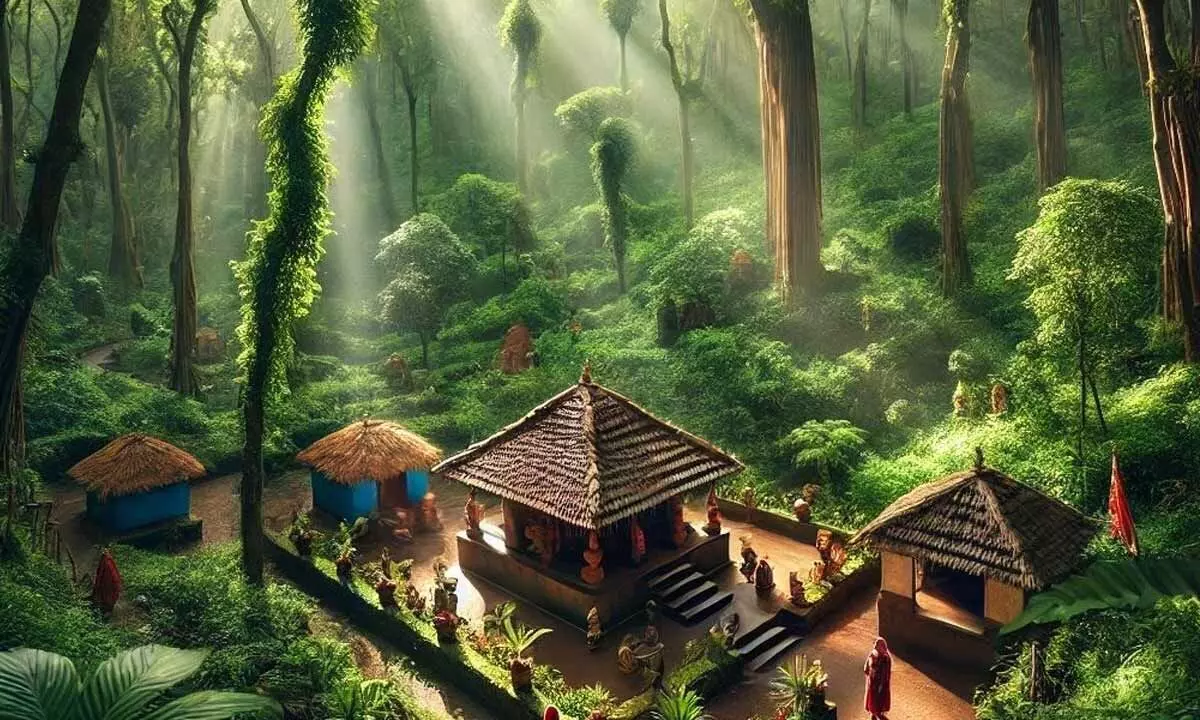
India’s cultural and ecological landscape is enriched with sacred groves—patches of forests preserved for centuries by local communities due to religious, spiritual, and cultural beliefs.
India’s cultural and ecological landscape is enriched with sacred groves—patches of forests preserved for centuries by local communities due to religious, spiritual, and cultural beliefs. These groves serve as sanctuaries for biodiversity, reflecting deep-rooted tradition of conservation. Sacred groves have historically played a crucial role in maintaining ecological balance, protecting native flora and fauna, and safeguarding water resources.Though modern development threatens these age-old practices, the continued reverence for sacred groves demonstrates how traditional knowledge and local participation can successfully protect natural heritage. Spread across India, these groves highlight the intersection of spirituality, conservation, and sustainability.
What Are Sacred Groves?
Sacred groves are patches of forests or natural vegetation preserved by local communities due to their religious significance. These groves are often dedicated to local deities, ancestral spirits, or village guardians. The belief systems surrounding them prohibit activities like deforestation, hunting, or resource extraction, thereby ensuring their long-term conservation.
While the extent of protection varies, many groves are untouched by human activity, making them reservoirs of rare biodiversity. They are remnants of ancient ecosystems, helping conserve genetic diversity that is increasingly rare in modern landscapes.
Historical and Cultural Significance
Sacred groves have existed in India for thousands of years. Ancient texts such as the Vedas and Puranas refer to protected forests or vanas where human interference was minimal. Hindu, Buddhist, and Jain traditions emphasize the sanctity of nature, advocating for tree and animal protection and conservation. Many janjatiya and rural communities believe that deities, spirits, or ancestors reside in these forests, enforcing strict taboos against harming the grove.Throughout history, sacred groves also served as centers of cultural activities, rituals, and spiritual gatherings. Even today, many festivals and religious ceremonies take place within these sacred forests, reinforcing their social and spiritual relevance.
Sacred groves are found across India, reflecting local traditions and ecological diversity. In Rajasthan, Orans and Khejarli groves are protected by the Bishnoi community, known for the Chipko Movement. Maharashtra’s Mawal and Vidarbha groves are linked to Warkari traditions. Karnataka’s Devarakadus in Coorg act as carbon sinks. Kerala’s Sarpa Kavus honor serpent gods and preserve water bodies. Meghalaya’s Mawphlang Grove, maintained by the Khasi tribe, protects rare flora. Himachal’s groves aid in soil conservation. Tamil Nadu’s Ayyanar groves feature terracotta figures. Jharkhand and Chhattisgarh’s Sarna groves host tribal rituals, while Arunachal’s groves support biodiversity and rare species.
Community Protection of Sacred Groves
Unlike state-protected reserves, sacred groves have been primarily maintained through local customs and traditions. Various communities across the country have unique ways of preserving them:
1. Traditional Beliefs and Taboos
l Many communities believe in divine retribution for harming the groves. Cutting trees, hunting, or even plucking leaves is often prohibited.
l In places like Rajasthan, harming trees in sacred groves is considered a serious offense, sometimes leading to social ostracization.
2. Community Guardianship
l Local villagers or designated custodians, often elders or religious leaders, oversee the groves. They ensure that rituals are performed and that no one violates traditional rules.
l In states like Kerala and Karnataka, Theyyam and Nagabanas (sacred serpent groves) have dedicated caretakers who maintain the space and perform annual worship.
3. Rituals and Festivals
l Many sacred groves have annual festivals where the entire community gathers for worship and celebration. These occasions help renew the commitment to protecting the grove.
l In Meghalaya’s Khasi Hills, the Lyngdoh (religious head) leads rituals, reinforcing the belief in the grove’s sanctity.
4. Sacred Groves as Community Resources
l While strict protection is observed in most groves, some allow the sustainable collection of medicinal plants, fallen wood, or water during droughts.
l Many janjatiya communities rely on the groves for traditional healing practices, using plants found exclusively in these protected areas.
Sacred groves are not just ecological treasures but also cultural landmarks that showcase India’s ancient conservation ethics. They reflect the sustainable practices of local communities and their ability to coexist with nature. These groves:
l Preserve traditional Knowledge: Many groves contain medicinal plants used in Ayurveda and tribal medicine.
l Support Biodiversity: They provide refuge to endangered species like the Lion-tailed Macaque, the Indian Pangolin, and various rare orchids.
l Maintain Ecological Stability: Sacred groves help prevent soil erosion, conserve groundwater, and act as micro-climatic regulators.
l Showcase Cultural Identity: Rituals, festivals, and art forms associated with these groves enrich India’s intangible heritage.
Challenges and Conservation Efforts
Despite their importance, sacred groves are under threat due to urbanization, deforestation, and changing cultural attitudes. Encroachments and illegal logging are eroding these fragile ecosystems. Government and non-government organizations are working to document and conserve sacred groves. The National Biodiversity Authority (NBA) and state forest departments have initiated programs to map and legally protect these groves. Community-led efforts, awareness campaigns, and integration with eco-tourism also contribute to their preservation. Sacred groves embody India’s harmonious relationship with nature. Their protection through community beliefs, rituals, and sustainable practices makes them invaluable to our cultural and ecological heritage. As modern challenges arise, safeguarding these sacred landscapes becomes essential—not just for biodiversity conservation but also for preserving India’s ancient wisdom. These groves stand as a testament to the fact that conservation is most effective when deeply embedded in cultural traditions.
(The writer is an Author and Creative Economy Expert)