Identity is not a burden, it’s a responsibility: Ananya Gaddam
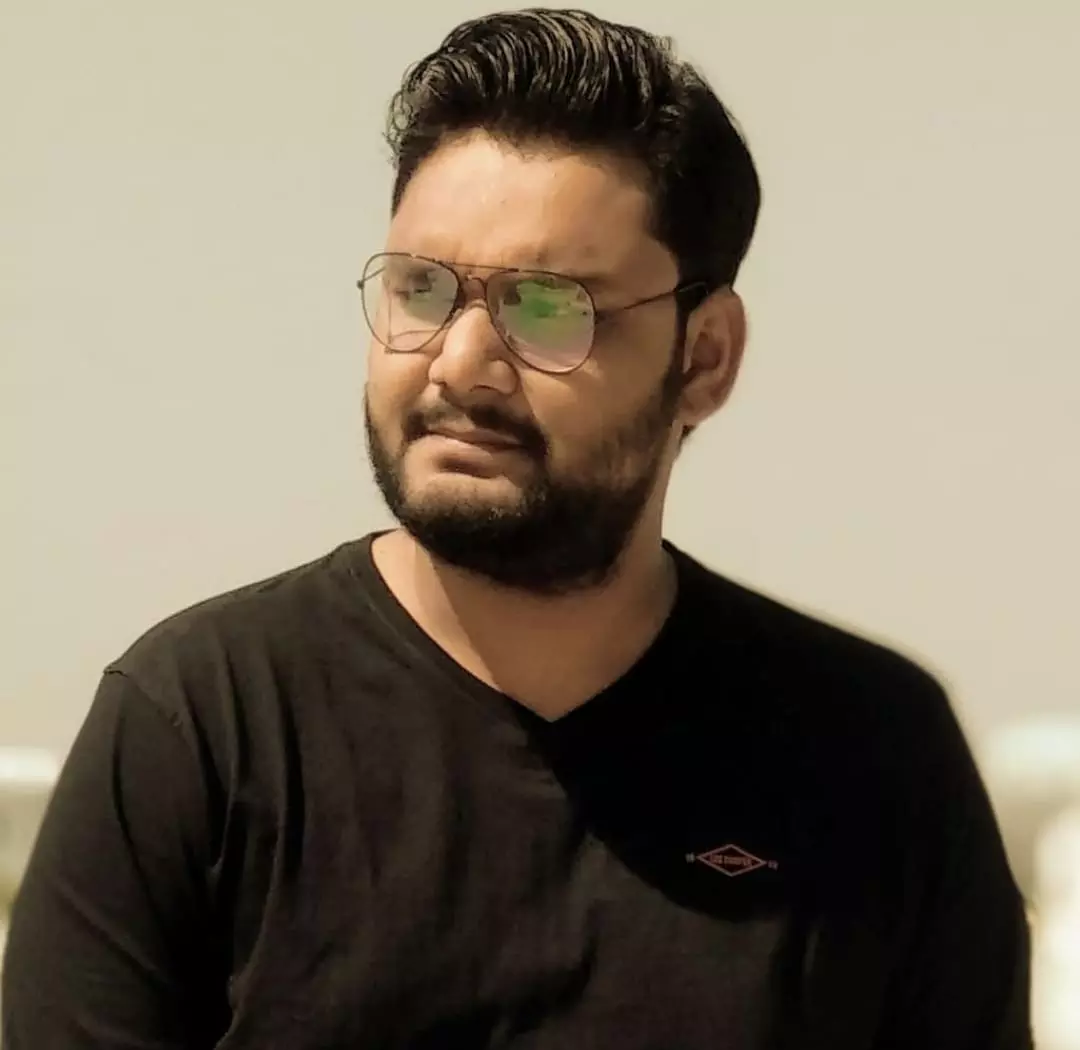
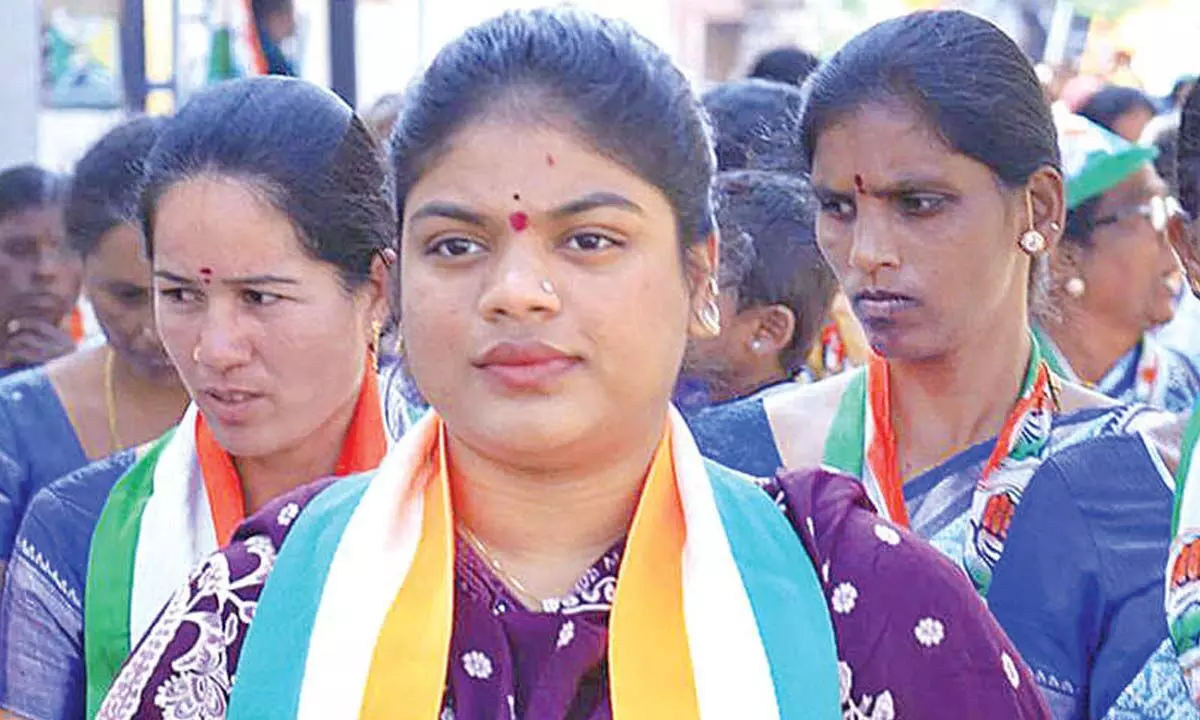
Ananya Gaddam, daughter of Telangana Assembly Speaker Gaddam Prasad Kumar, recently captured public attention with her nomination as Congress Candidate in municipal elections for Ward 17. The broader story of her life reflects both personal grounding in public service and the larger narrative of caste empowerment in contemporary Indian politics.
Ananya, people are curious about who you are beyond being an MLA’s daughter. How would you describe your personal journey?
I’ve grown up in a very grounded environment. Yes, my father is a public figure, but our life was never about privilege alone. It was about responsibility, discipline, and awareness. From a young age, I saw what public service really means — listening to people, understanding their struggles, and trying to make change, even when it’s difficult.
Your father becoming the first Dalit Speaker of the Telangana Assembly is historic. What does that milestone mean to you personally?
It’s emotional, honestly. It’s not just a political achievement, it’s symbolic. For many Dalit families, positions of power always felt distant, almost unreachable. Seeing my father in that role sends a message that institutions can change, that representation is possible. But I also believe representation must come with responsibility — it should lead to real impact, not just visibility.
You spoke strongly about Dalits in India and systemic inequality. How do you see the reality today?
We’ve made progress, but we’re not where we should be. Laws exist, the Constitution is powerful, but social thinking changes slowly. Discrimination today is often subtle — in opportunities, access, language, and attitudes. Equality shouldn’t be symbolic. It should reflect in schools, workplaces, governance, and everyday life. Respect is as important as rights.
Does identity feel like pressure for you?
Sometimes, yes. Identity comes with expectations — from society and from within. But I don’t see it as a burden anymore. I see it as a responsibility. My background gives me a voice, and I think it’s important to use that voice with honesty. I don’t want to hide where I come from, and I don’t want to be defined only by it either.
What kind of challenges have you personally faced?
Public perception is one of the biggest challenges. People judge you before they know you. There’s also the pressure of living up to a legacy. But I’ve learned that growth comes from staying authentic. You can’t live your life trying to satisfy everyone’s expectations.
What message would you give to young people, especially from marginalised communities?
Believe that you belong everywhere — in classrooms, boardrooms, politics, media, and leadership spaces. Don’t limit yourself to survival. Aim for influence.
Education, confidence, and participation are powerful tools. We shouldn’t see ourselves only as beneficiaries of systems, but as future decision-makers.
How do you define success for yourself?
Impact. If my voice, my actions, or my presence can make even a small difference in how society thinks or treats people, that’s success for me. I don’t want success to be just personal — I want it to be meaningful.
Finally, what does your story represent to you?
A transition. From silence to voice. From invisibility to representation. From fear to confidence. It’s not just my story — it’s the story of many families like mine across India who are slowly redefining their place in society.