Growth begins with guidance: The role of mentors in shaping leaders

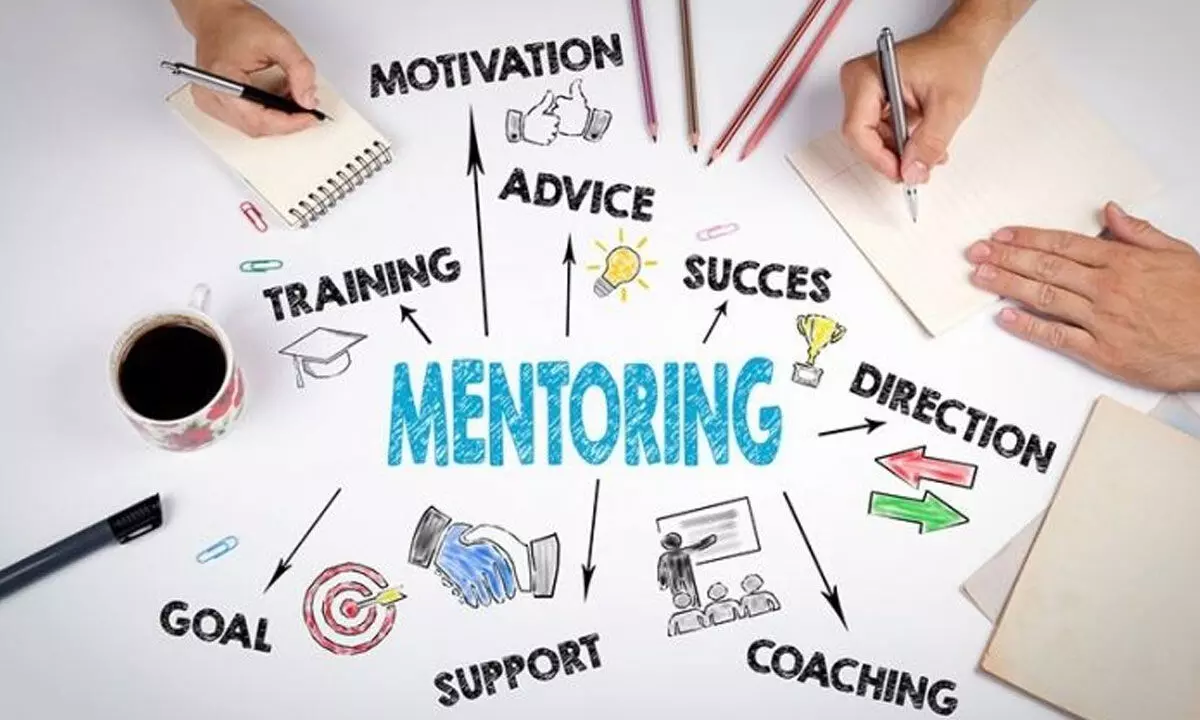
Behind every confident decision, resilient comeback, and courageous career pivot, there’s often a mentor—a quiet force helping shape the journey.
Behind every confident decision, resilient comeback, and courageous career pivot, there’s often a mentor—a quiet force helping shape the journey. While technical expertise, dedication, and opportunity certainly play critical roles in professional success, mentoring is a powerful and often overlooked enabler of leadership growth. It provides more than advice—it offers perspective, clarity, and support that no textbook or training module can match.
More than just career advice
Mentorship goes far beyond helping someone prepare for a promotion or build a resume. It’s about nurturing self-awareness, encouraging bold thinking, and holding up a mirror to blind spots. A good mentor doesn’t just guide—they challenge, they listen, and sometimes, they gently question assumptions we may have never noticed on our own.
Professionals at every level experience uncertainty: career crossroads, moments of self-doubt, or unexpected opportunities that feel overwhelming. In these moments, mentors serve as sounding boards. They don’t always provide answers but help mentees ask better questions and make more informed, authentic decisions.
Mentoring at every stage
It’s a common misconception that mentoring is only for those starting out. In reality, the need for mentorship grows as one advances. Senior leaders often face increased isolation—fewer people challenge their thinking or offer honest feedback. Mentorship at this level becomes crucial in staying grounded and making values-aligned choices.
Leadership is rarely linear. There are pivots, plateaus, and pressure points. Having a mentor can mean the difference between reacting with fear and responding with intention. The right mentor offers not just encouragement but the confidence to stretch beyond comfort zones.
Bridging the confidence gap
Mentors play a pivotal role in supporting underrepresented professionals, especially women and minority leaders who may face systemic barriers or feel like outsiders in certain rooms. These mentors don’t just coach on performance—they help individuals navigate unique challenges, trust their voice, and embrace their strengths.
For many, mentoring bridges not just skill gaps but confidence gaps. It creates a safe space to share fears, self-doubt, or indecision—things we often hide in professional settings. Once those thoughts are spoken out loud, they lose power, and growth begins.
The mutual benefit of mentoring
Mentorship is a two-way street. While mentees gain insight and support, mentors often find the process equally rewarding. Guiding others forces mentors to reflect on their own experiences, revisit lessons learned, and grow alongside those they’re supporting.
Some of the most meaningful mentoring moments happen not in grand breakthroughs, but in subtle shifts—in the way someone starts to believe in themselves, speaks up in a meeting, or finally takes a risk they’ve long feared.
Making mentorship work
Whether you’re seeking guidance or offering it, here are a few tips to get the most out of the mentoring experience:
• Be intentional: Seek mentors whose values, experience, or journey align with where you aspire to go.
• Create trust: Vulnerability is powerful. Be open about your challenges and questions.
• Listen actively: Mentorship isn’t about quick fixes. It’s about deep understanding and thoughtful reflection.
• Pay it forward: Once you’ve gained from mentorship, become a mentor yourself. It’s one of the most impactful ways to grow and give back.
Leadership isn’t just about titles or milestones—it’s about becoming the kind of person others trust, follow, and are inspired by. Mentoring plays a foundational role in shaping that kind of leader. It accelerates learning, deepens self-awareness, and fosters resilience.
In a world where success often feels like a solo pursuit, mentorship reminds us that growth begins with guidance—and that no one has to navigate the journey alone.