Silence is strength: Disclosures about military losses can harm national security

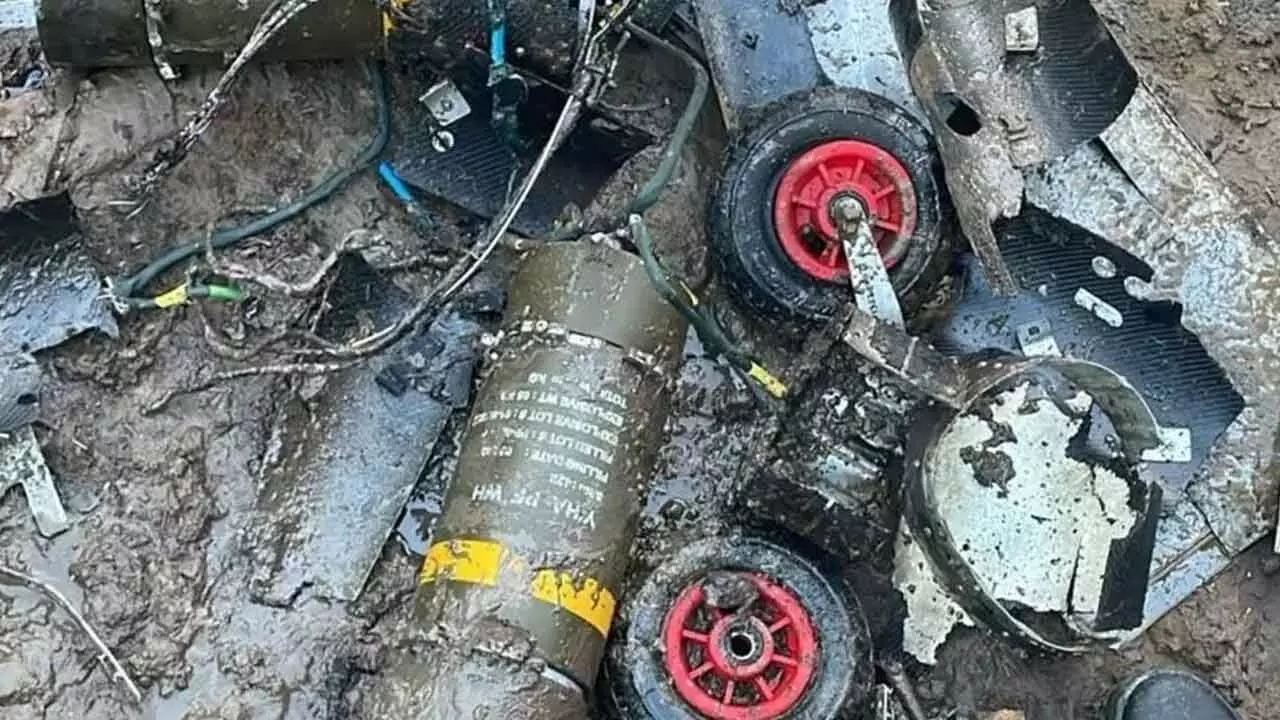
Revealing precise figures—say, the number of jets lost—would deal a blow to the morale of our armed forces. Beyond the military, these shake public confidence, fostering anxiety and perceptions of vulnerability instead of resilience.
The recent clamour from certain political factions, notably the Congress party, for detailed disclosure of military losses—such as the number of Rafale jets allegedly downed by Pakistan—reveals a troubling disconnect from the realities of warfare and national security. While transparency remains the bedrock of democracy, the demand for immediate, granular details of military setbacks during or post-conflict risks grave consequences.
The aftermath of the Pahalgam terror attack, which prompted India’s decisive retaliatory strike against terrorist infrastructure across the border, underscores the need for a mature and restrained approach to public discourse on such critical matters.
India’s response to the Pahalgam incident was a necessary act of self-defence, targeting state-sponsored terrorism. The ensuing aerial engagement with Pakistan, a clear act of war, inevitably involved gains and losses on both sides. War, by its nature, is a brutal calculus, and to expect a public ledger of every casualty or fallen asset is to misunderstand its dynamics.
Chief of Defence Staff (CDS) General Anil Chauhan’s acknowledgment of “some losses” and focus on rectifying tactical errors reflects a pragmatic stance—prioritising operational lessons over a politically charged tally. Yet, even this measured disclosure, aimed at transparency, may have been an unnecessary bow to partisan pressure.
Revealing precise figures—say, the number of jets lost—would deal a blow to the morale of our armed forces. Publicising such details could paint their sacrifices as failures rather than the inherent risks of duty, eroding the spirit that fuels their resolve. Beyond the military, this risks shaking public confidence, fostering anxiety and perceptions of vulnerability instead of resilience.
In a nation where civilian-military trust is vital, such a narrative could fray this essential bond. A 2023 survey by the Centre for the Study of Developing Societies (CSDS) found 78 per cent of Indians view the armed forces as the most trusted institution—undermining the ripple effects on national unity.
Legally, too, this demand is flawed. The Official Secrets Act, 1923, under Section 2(5), classifies “munitions of war”—including aircraft, arms, and related devices—as sensitive, where disclosure could prejudice state safety.
Handing adversaries a precise account of losses, from jets to personnel, fuels their intelligence and propaganda efforts.
Pakistan’s history of psychological warfare, evident in its media campaigns post-Balakot in 2019, thrives on such data to exaggerate India’s setbacks and bolster its narrative. Why give them this advantage?
Globally, discretion is the norm. Major powers like the US, Russia, and China rarely divulge combat losses in real time, adhering to a doctrine of strategic ambiguity.
During the Ukraine conflict, Russia’s delayed and vague casualty reports kept opponents guessing, a tactic that preserved operational edge. India, in a volatile region flanked by hostile neighbours, cannot afford to deviate from this practice. Denying adversaries exact intelligence forces them to rely on shaky estimates, complicating their planning and potentially deterring aggression. In the information war, discretion is a weapon—ceding it by confirming losses plays into the enemy’s hands.
The real value of conflict lies not in a scorecard of losses but in the lessons drawn. General Chauhan’s focus on refining strategy and tactics aligns with this. Internal military reviews, shielded from public glare, dissect vulnerabilities, enhance training, and bolster preparedness. This is accountability—quiet, rigorous, and effective.
Parliamentary oversight, respecting classification protocols, further ensures checks without compromising security.
The demands for public tallies, often cloaked in ‘transparency’, smack of political gains, by turning a grave national issue into election fodder. This divisiveness, especially amid tensions, weakens the unity India needs. Historical context reinforces this. Post-Kargil in 1999, India mourned its martyrs but delayed detailed loss reports, prioritising operational security. The result was a strengthened military posture and strategic clarity.
Today, with China’s assertiveness along the LAC and Pakistan’s proxy war in Kashmir—where terror incidents rose 22 per cent from 2020 to 2024 per Union Home Ministry data—India faces a two-front challenge. Publicizing losses now could embolden both adversaries, signaling weakness at a critical juncture.
Democracy thrives on debate, but responsible citizenship recognizes limits. The Congress party’s persistent questioning, blind to these stakes, risks aiding adversaries, denting military morale, and unsettling the public. Trusting our military leadership to handle sensitive matters with discretion is not blind faith but a strategic necessity. A strong India prioritizes defence readiness and national interest over divisive disclosures. In this complex theatre, silence can be strength, and our focus must remain on securing the nation, not fueling debates that weaken it.
(The writer is a senior Advocate)