Lights, camera, career: Exploring job opportunities in animation

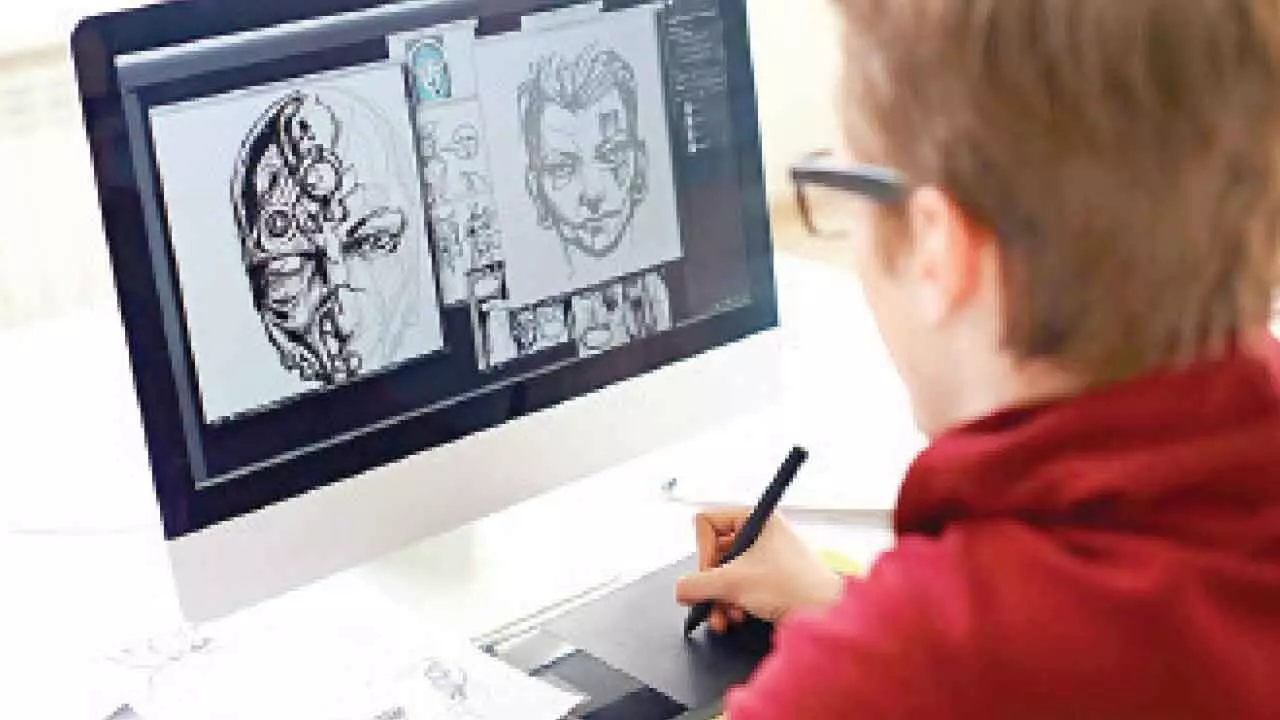
The world of animation is no longer confined to Saturday morning cartoons or Hollywood blockbusters. Today, it stretches across multiple domains—from advertising and gaming to education and real estate.
The world of animation is no longer confined to Saturday morning cartoons or Hollywood blockbusters. Today, it stretches across multiple domains—from advertising and gaming to education and real estate. As more industries recognize the power of visual storytelling and immersive digital experiences, the demand for skilled animation professionals is rapidly increasing.
According to projections by NASSCOM and the Media & Entertainment Skills Council (MESC), India’s AVGC (Animation, Visual Effects, Gaming, and Comics) sector is poised to create over 2 million jobs by 2030, with nearly 75,000 new opportunities emerging annually. This growth is not limited to metro cities. Talent hubs are rising in Tier-2 and Tier-3 locations such as Indore, Kochi, Bhubaneswar, and Guwahati—where trained artists are finding opportunities in films, mobile games, short-form content, and corporate communication.
The convergence of creativity and technology has led to a demand for dynamic visual content across platforms. Streaming services, digital marketing, virtual walkthroughs in real estate, interactive learning in edtech, and immersive gaming experiences are all leveraging animation and VFX to engage users. The pandemic-era shift to digital platforms accelerated this trend, but it’s the continued focus on hybrid entertainment, branded content, and gamification that is sustaining it.
In-demand roles in the animation
While the industry continues to evolve, several roles are consistently emerging as high-demand areas:
• VFX Compositors: Responsible for integrating CGI with live-action footage, especially in OTT content, films, and advertising.
• 3D Modelers & Texturing Artists: These professionals bring objects and environments to life, widely used in games, architecture, and simulations.
• Motion Graphics Designers: Essential for creating animated logos, infographics, and visual transitions in digital content and social media.
• Unreal Engine Operators & Virtual Production Crew: With the rise of real-time rendering, especially in films and games, this skill set is rapidly becoming crucial.
• Roto & Matchmove Artists: Key roles in post-production pipelines, ensuring accuracy and realism in integrated shots.
• Storyboard Artists and Character Animators: These creatives drive narrative flow, character movement, and emotional engagement.
• AR/VR Designers & Metaverse-ready Creators: As virtual spaces expand, professionals who can create immersive 3D experiences are in growing demand.
Skills that employers value
Interestingly, the emphasis has shifted from long resumes to relevant portfolios. Employers today prioritize applied skillsets over academic degrees. Artists who can showcase original, compelling projects—be it a short animation film, a mobile game, or a VR simulation—often stand out more than those with just formal credentials.
Proficiency in industry-standard software like Maya, Blender, After Effects, Nuke, Unity, or Unreal Engine is commonly expected. However, soft skills such as collaboration, adaptability, and creative problem-solving are equally important—especially in fast-paced production environments.
Education and training: Shorter, sharper, smarter
Earlier, mastering animation or VFX could take several years. Today, thanks to updated training methodologies and modular learning paths, students can develop production-ready skills in one to two years through focused diplomas, certifications, and intensive bootcamps. These programs often include portfolio development, studio projects, and mentorship, which help learners transition directly into jobs or freelance gigs.
Notably, many learners are finding work opportunities even before completing their final projects, especially in freelance marketplaces, influencer content production, and gaming startups.
Career paths
A career in animation doesn’t follow a single track. Some professionals choose to specialize in a niche—like rigging or FX simulation—while others move between advertising, games, and short films. Many start in studios and eventually shift to freelance, independent content creation, or entrepreneurship.
For instance, a 3D artist may begin working on asset creation for a mobile game, later move into architectural visualization, and eventually collaborate with a VR startup. Others might work on educational content, creating animated explainers for e-learning platforms or scientific simulations.
This fluidity of roles is one of the defining characteristics of careers in animation and VFX—allowing individuals to blend technical expertise with creative exploration.
Creativity as a career asset
Pursuing a career in animation is no longer a leap of faith—it’s a strategic career choice rooted in practical demand and evolving opportunity. The line between passion and profession is increasingly blurred in this space. Whether you’re crafting imaginary worlds, animating characters, or designing AR experiences, your work can reach and impact audiences in powerful ways.
(The author is brand custodian at Aptech Limited)