Sustainability education: Equipping future generations with knowledge and skills

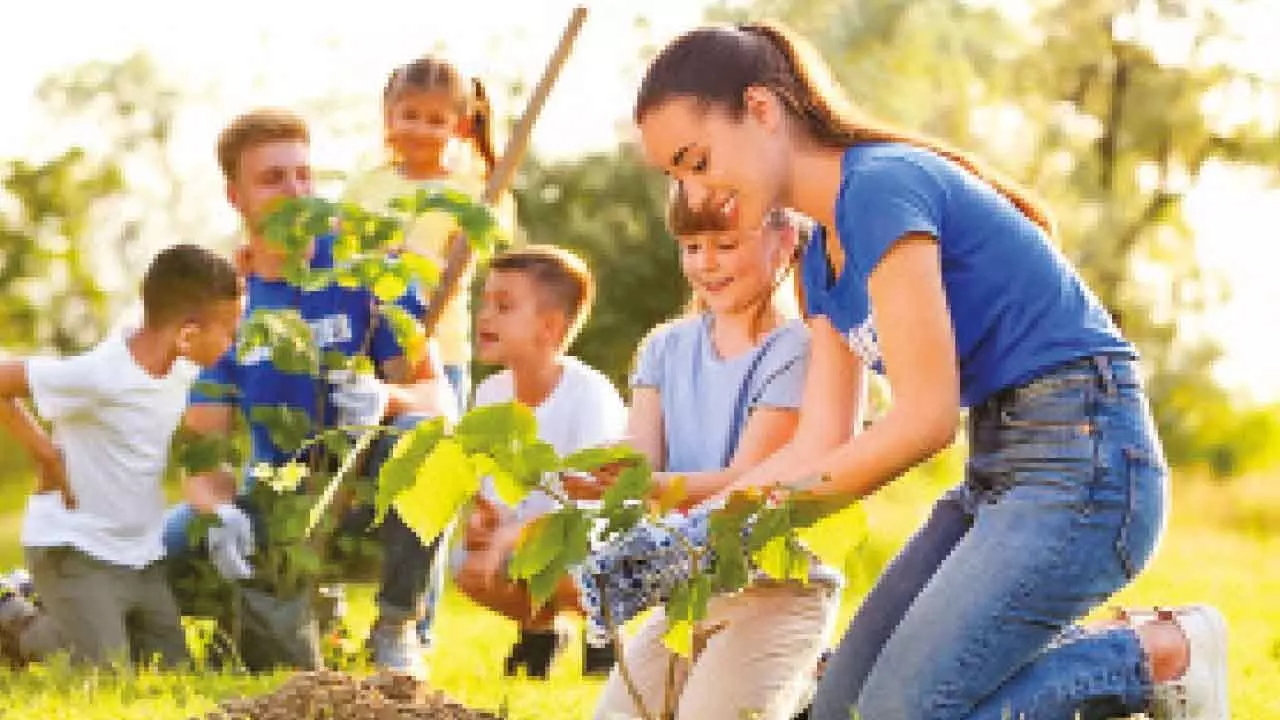
Sustainability education is no longer optional; it’s essential. As climate change, resource depletion, and biodiversity loss intensify, schools and universities play a vital role in shaping environmentally conscious citizens. By embedding sustainability into curricula, students learn critical thinking, responsible consumption, and innovative problem-solving for a greener future. Empowering young people with this knowledge fosters a culture of stewardship, preparing them to make informed decisions that balance social, economic, and environmental needs in a rapidly changing world.
In an era marked by rising global temperatures, shrinking natural resources, and growing environmental degradation, the importance of sustainability education cannot be overstated. It is no longer a niche topic reserved for environmental science majors or sustainability activists—it is a fundamental element of preparing young people to navigate and shape the future.
Understanding sustainability education
Sustainability education focuses on teaching individuals how to live and work in ways that respect environmental limits while promoting economic and social well-being. It goes beyond simply learning about pollution or renewable energy. Instead, it is a multidisciplinary approach encompassing climate change, biodiversity, social equity, sustainable urban planning, circular economies, and ethical decision-making.
This education aims to develop what experts call “sustainability literacy”—a mix of knowledge, attitudes, and skills that help individuals make informed decisions to meet present needs without compromising future generations.
Benefits for students and society
Sustainability education provides students with critical life skills. By studying environmental systems and sustainable practices, students develop analytical thinking, creativity, and problem-solving abilities. For example, understanding how ecosystems work helps students see the interconnectedness of life, while exposure to sustainable business models nurtures innovation and ethical reasoning.
For society, this education cultivates informed citizens and future leaders who can respond effectively to environmental challenges. Individuals trained in sustainability are more likely to adopt eco-friendly behaviors, support responsible businesses, and engage in civic initiatives such as renewable energy adoption, waste reduction programs, and policy advocacy.
Embedding sustainability in education systems
For sustainability education to be impactful, it must move beyond occasional workshops or optional electives. It needs to be an integral part of how schools and universities design curricula. This can be done through:
1. Curriculum Integration: Subjects like science, economics, geography, and even literature can incorporate sustainability concepts. For instance, chemistry classes can explore green energy solutions, while economics courses can examine sustainable business practices.
2. Experiential Learning: Field trips, internships, and project-based learning allow students to see sustainability principles in action—whether visiting recycling plants or working with NGOs focused on conservation.
3. Interdisciplinary Approach: Since sustainability challenges are complex and interconnected, courses should break traditional academic silos and encourage collaboration between different fields.
4. Teacher Training: Educators need resources and professional development opportunities to teach sustainability effectively and link it to real-world issues.
5. Partnerships with Communities: Schools can collaborate with local businesses, environmental organizations, and municipal bodies to give students practical exposure to sustainability initiatives.
The role of technology
Digital tools can amplify sustainability education by providing access to simulations, data visualization, and global perspectives. Virtual reality, for example, can immerse students in coral reefs or forests under threat, helping them grasp the urgency of environmental protection. Online platforms also allow students to collaborate internationally, exchanging ideas and solutions for shared challenges.
India has already taken steps towards embedding sustainability in education through initiatives like the Environmental Education (EE) component in schools, sustainability-focused higher education programs, and skill-development courses linked to green industries. Universities now offer degrees in environmental management and renewable energy engineering, reflecting the growing demand for sustainability-focused careers.
Preparing for the future
Sustainability education is not just about protecting the environment—it is about ensuring social well-being and economic stability. Today’s students will inherit a world grappling with population growth, climate migration, and resource scarcity. Equipping them with sustainability knowledge gives them the tools to lead responsibly, whether as policymakers, entrepreneurs, scientists, or informed citizens.
Sustainability education prepares individuals to tackle some of humanity’s greatest challenges, fostering resilience and innovation while promoting stewardship of our planet. As environmental and social challenges grow increasingly complex, embedding sustainability principles in education is critical to shaping a future that balances human progress with ecological harmony.