Rs 874-cr automatic signaling system across 6 railway routes soon

To ensure faster and safer train operations
Bengaluru: In a major move to reduce train delays and improve passenger safety, the Railway Department has initiated the installation of an automatic signaling system across six key railway routes in and around Bengaluru.
The project, costing ₹874.12 crore, will cover a total stretch of 639.05 km. The identified routes include: Bengaluru City–Yeshwanthpur–Yelahanka (17.75 km), Yeshwanthpur–Arasikere (160.65 km), Lottegollahalli–Hosur (63.6 km), Whitefield–Jolarpettai (119 km), Baiyappanahalli–Penukonda via Channasandra (139.8 km), and Bengaluru City–Mysuru (138.25 km).
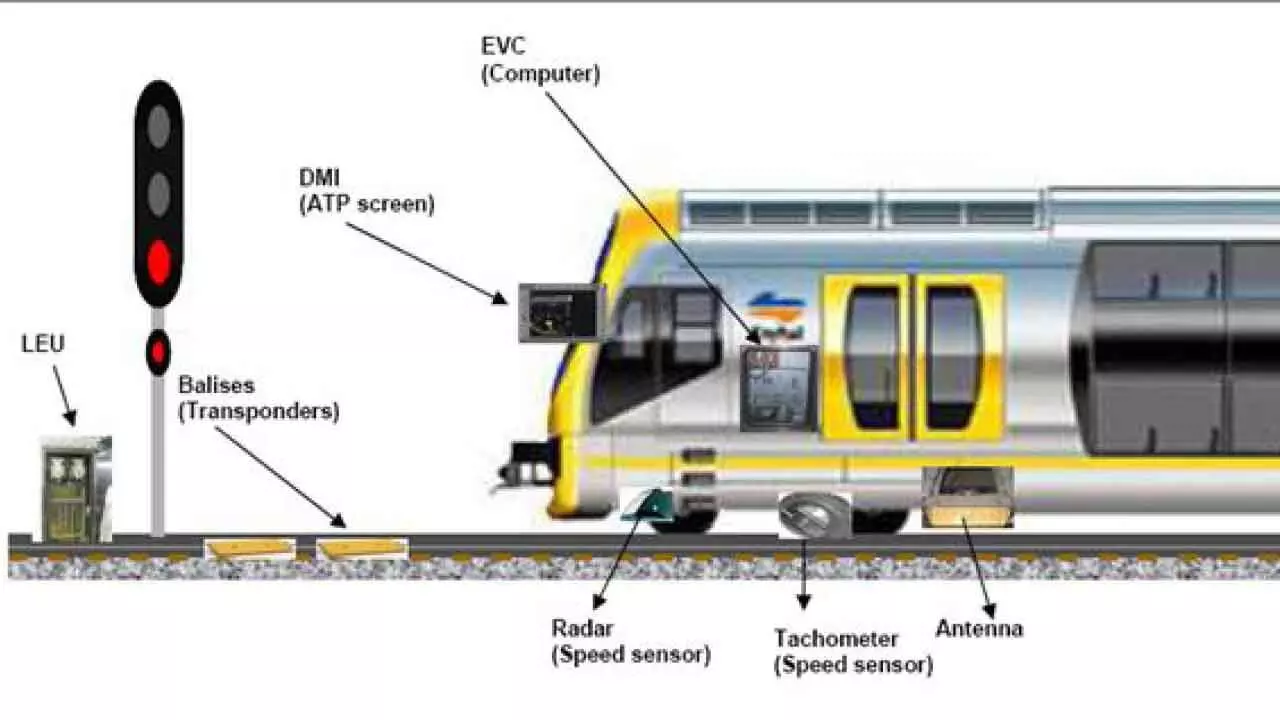
Currently, only the KSR Bengaluru–Whitefield section operates with an automatic signaling system, while the rest of the Bengaluru Division still depends on manual relay room–controlled signals. With the new system, signals will switch on and off automatically, enhancing efficiency and reducing dependency on human intervention.
Officials said the move will help run more trains at shorter intervals, increase train speeds, and significantly cut down on delays—a persistent issue in Bengaluru due to the existing block signaling method, which allows only one train per block section. Unlike this, automatic signaling enables multiple trains to move safely within a block, as signals are managed electronically and update automatically once a train passes. The South Western Railway’s Bengaluru Division has set a target to bring most city and suburban routes under automatic signaling by 2028. This initiative is expected to not only improve punctuality but also shed Bengaluru’s reputation as a city lagging behind in railway infrastructure. Passengers have welcomed the decision, expressing optimism that the system will bring faster, safer, and more reliable train journeys in the coming years.