Golgappa, Puchka or Panipuri? Breaking Down the Differences in India’s Favourite Street Snack

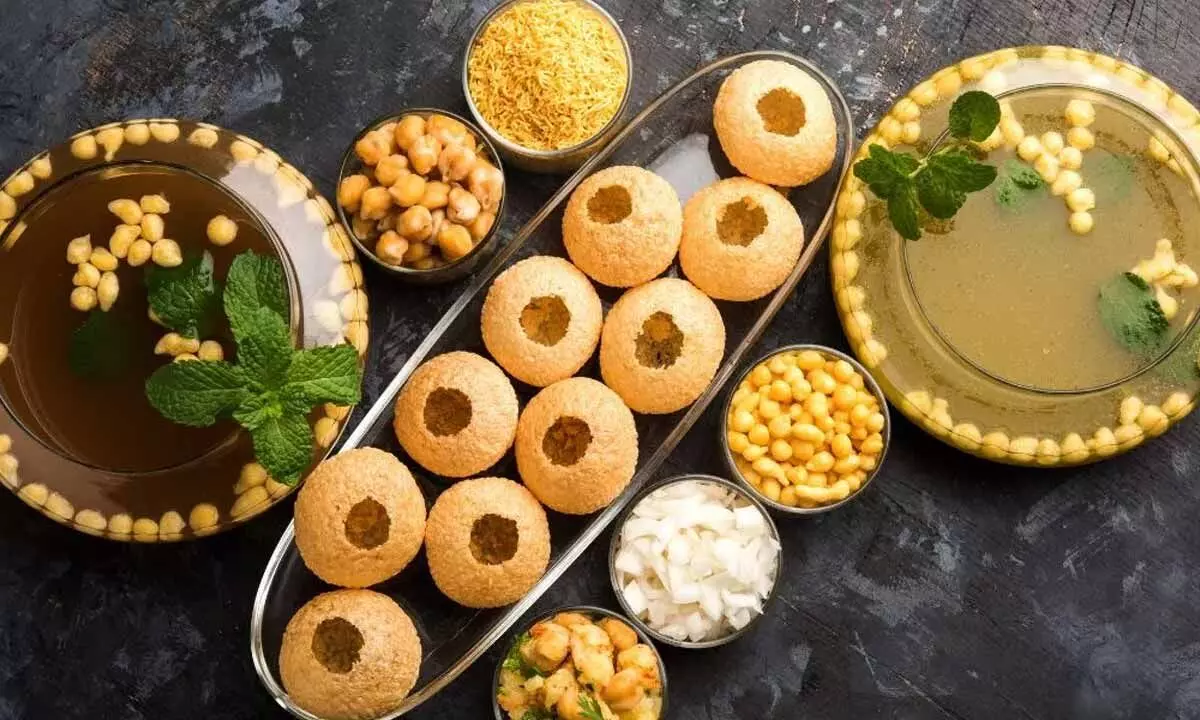
Golgappa, puchka, and panipuri may look alike, but their water, filling, and flavour reveal distinct regional identities and traditions.
Ask any Indian about their go-to street food, and chances are the answer will be golgappa, puchka, or panipuri. Crispy, hollow puris stuffed with tangy-spicy water have become more than just a snack—they’re an emotion, a memory, and a never-ending debate. Though the trio appears almost identical, subtle variations in filling, flavoured water, and even the puri itself separate one from the other.
What’s in a Name?
The name of this snack often reveals where you’re eating it:
- Panipuri – Famous in Maharashtra, South India, and parts of Gujarat.
- Golgappa – Loved across Delhi, Punjab, Haryana, Himachal Pradesh, Jammu & Kashmir, and Madhya Pradesh.
- Puchka (or Fuchka) – The pride of West Bengal, Bihar, and Jharkhand.
- Pani ke Batashe/Patashi – A favourite in Uttar Pradesh and some regions of Rajasthan.
- Gupchup – Odisha and parts of Chhattisgarh swear by this name.
- Fulki – Commonly known in Madhya Pradesh.
- Pakodi – A lesser-heard version in interior Gujarat.
The names may differ, but the excitement they spark is universal.
The Filling Tells the Story
Each version carries its own regional flavour through its stuffing:
- Panipuri (West & South India): Usually filled with spicy ragda (white pea curry), mashed potatoes, chickpeas, or even boondi. The balance of sweet tamarind chutney and fiery green chutney gives it a signature taste.
- Golgappa (North India): Typically stuffed with boiled chickpeas and mashed potatoes, drizzled with sweet tamarind chutney (saunth). The water here is punchier, with mint and spices dominating.
- Puchka (East India): Known for a stronger tamarind kick, puchkas are filled with mashed potatoes and black gram. The puris are slightly larger and often made from whole wheat flour, lending them a distinct texture.
- Pani ke Batashe (UP): Balanced between sweet and spicy, often featuring boiled potatoes and chickpeas. In some stalls, vendors even serve paanch swaad ke batashe—five different waters to delight adventurous taste buds.
The Soul of the Snack: Flavoured Water
The water (pani) is what truly defines these regional favourites:
- North Indian Golgappas: Tangier and spicier, often served chilled, with refreshing hints of mint.
- Eastern Puchkas: Packed with tamarind, these waters lean on sharp, fiery flavours.
- Western & Southern Panipuris: A balance of sweet and spicy, where tamarind chutney mellows the heat of green chilli and coriander-infused water.
Across regions, the base ingredients remain similar—tamarind, mint, coriander, cumin, black salt, and green chillies—but proportions and local twists make every sip unique.
Whether you call it golgappa, puchka, or panipuri, this humble snack has won hearts across the country. It’s cheap, cheerful, and endlessly satisfying, no matter how many rounds you eat. The differences may fuel playful arguments, but the shared love for that crunch followed by a burst of tangy water is what unites food lovers everywhere.
From Delhi’s bustling streets to Kolkata’s puja pandals and Mumbai’s seaside stalls, one thing is certain—India’s love affair with this street-side superstar isn’t ending anytime soon.