Mahashivratri 2026: Offerings Devotees Should Avoid During Lord Shiva Worship

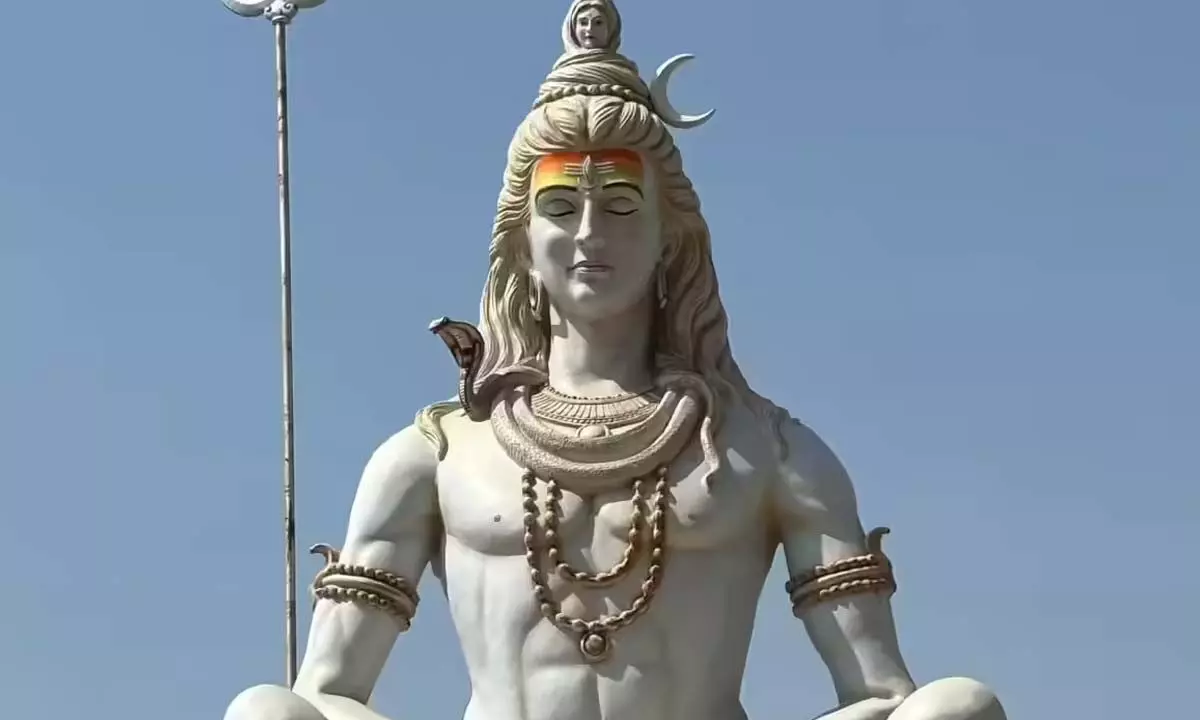
Certain ritual items are traditionally avoided during Shiva puja, reflecting symbolism tied to asceticism, mythology, and ancient devotional practices.
Mahashivratri is among the most sacred nights in the Hindu calendar, dedicated to Lord Shiva, the deity who embodies meditation, detachment, and cosmic balance. On this auspicious occasion, temples remain open late into the night as devotees observe fasts, chant mantras, perform abhishekam, and offer sacred items to the shivling.
While many offerings such as bel leaves, milk, honey, and dhatura flowers are considered deeply auspicious, tradition also advises against presenting certain items. These restrictions stem from mythology, symbolism, and the spiritual philosophy associated with Shiva’s ascetic nature. Understanding what to avoid can help devotees perform rituals with greater awareness and reverence.
Here is a closer look at offerings that are generally kept away from Shiva worship.
Tulsi Leaves
Tulsi is widely revered in Hindu households and holds special significance in rituals dedicated to Lord Vishnu. However, it is not used in Shiva worship. Religious traditions link Tulsi more closely with Vaishnav practices, and therefore it is replaced with bel (bael) leaves during Shiva puja. The trifoliate bel leaf is believed to represent Shiva’s three eyes and is considered far more appropriate for offering.
Ketaki Flowers
Despite their fragrance and beauty, ketaki or screw pine flowers are avoided in temples dedicated to Lord Shiva. Mythological stories associate the flower with dishonesty during a divine dispute, which led to it being excluded from rituals. As a result, devotees prefer simple white blooms or dhatura flowers that align better with Shiva’s austere personality.
Coconut Water
Coconuts are commonly broken and offered in many Hindu ceremonies, symbolising purity and surrender. However, the water inside the coconut is typically not poured over the shivling. Instead, offerings like plain water, milk, curd, and honey are considered more suitable for abhishekam. These ingredients are believed to create a cooling effect, complementing Shiva’s calm and meditative nature.
Kumkum (Vermilion)
Kumkum is traditionally linked to marital bliss and is closely associated with Goddess Parvati and married women. Since Lord Shiva represents renunciation and detachment from worldly life, vermilion is generally not applied during his worship. Devotees use vibhuti or sacred ash instead. The ash symbolises impermanence and spiritual awakening, which better reflects Shiva’s essence.
Turmeric
Turmeric is regarded as auspicious and is commonly used in ceremonies that celebrate prosperity and fertility. Yet, these qualities contrast with Shiva’s identity as a yogi who has renounced material comforts. For this reason, turmeric is usually avoided. Sandalwood paste is offered in its place, valued for its cooling fragrance and soothing properties.
Champa Flowers
Champa flowers, though attractive and aromatic, are often omitted from Shiva rituals. Scriptural references suggest that these flowers do not resonate with the deity’s energy. Devotees instead opt for simpler offerings like white lotus, kaner, or dhatura flowers, which are traditionally associated with Shiva worship.
Jaggery-Based Sweets
Food offerings during Mahashivratri tend to be light and pure, including fruits, milk, and honey. Sweets made from jaggery are generally avoided, as they are believed to generate heat. Since Shiva is symbolically linked with coolness, serenity, and the moon, cooling and sattvic foods are considered more appropriate.
Worship with Awareness
Mahashivratri is not just about rituals but about inner purification and devotion. Choosing the right offerings reflects respect for centuries-old customs and deep spiritual symbolism. By aligning practices with tradition, devotees can ensure their prayers are performed with sincerity and mindfulness, making the night truly meaningful.
Following these guidelines allows worshippers to honour Lord Shiva in a way that echoes both faith and heritage.