Simple Ways to Test Saffron Purity at Home

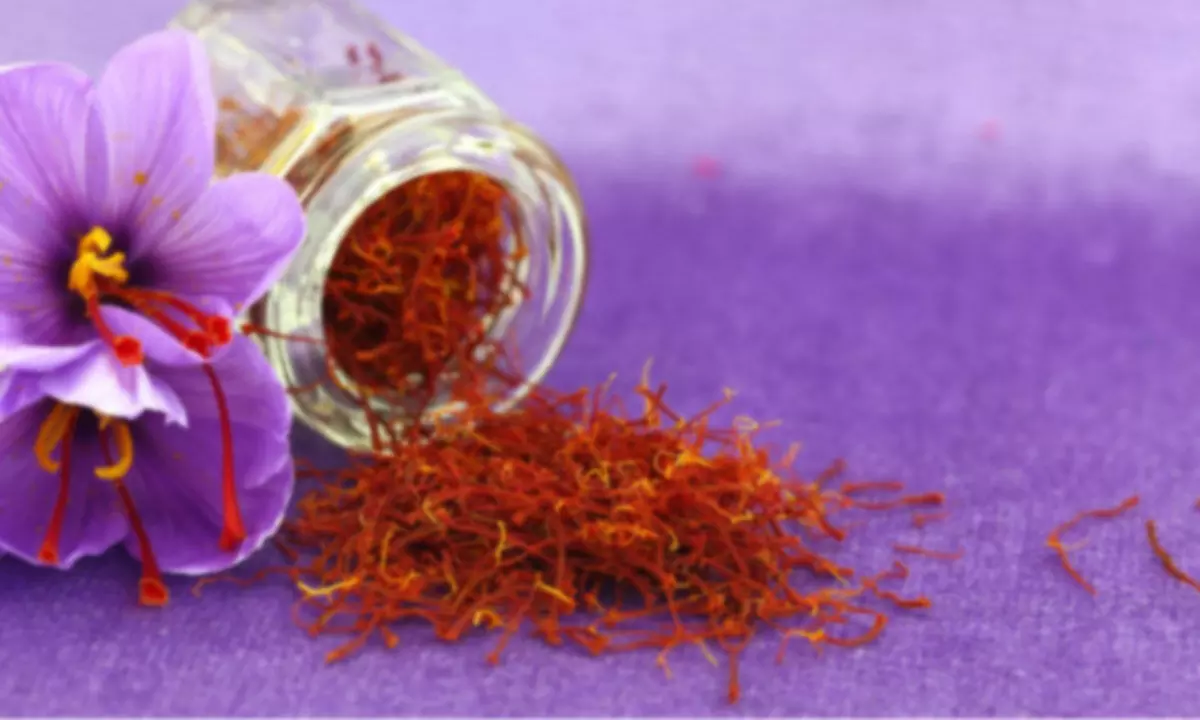
Saffron, often called the “red gold,” is prized for its rich flavor, aroma, and health benefits. However, its high value makes it a common target for adulteration. Here are five simple tests you can try at home to check if your saffron is pure
Often referred to as “red gold,” saffron has earned a place of honour in kitchens, medicine cabinets, and beauty regimens across cultures. Its rich colour, distinct aroma, and a host of health benefits make it one of the most sought-after—and expensive—spices in the world. But with its rising popularity, saffron has also become a frequent target for adulteration. Knowing how to identify pure saffron is more important than ever.
Fortunately, you don’t need lab equipment to tell the real from the fake. With just a few simple at-home tests, you can ensure the saffron you're using is authentic and of good quality.
Here are five reliable ways to check saffron purity using everyday household items:
1. The Colour Test
Pure saffron releases its golden-yellow hue slowly when added to water. If the threads instantly turn the water red or dark orange, it’s likely fake or heavily dyed. Watch how the colour spreads—genuine saffron takes its time.
2. Taste and Aroma
Real saffron has a subtle but distinct profile: slightly sweet with earthy, hay-like notes and a gentle honeyed fragrance. If the threads taste bitter or have a chemical-like smell, they’re probably not the real deal.
3. Visual Inspection
Take a closer look at the strands. True saffron is deep crimson with a trumpet-shaped end, slightly moist to the touch, and has a glossy finish. Imitation saffron often looks flat, dry, brittle, and lacks the natural luster.
4. Solubility Test (with Milk)
Place a few saffron strands in warm milk and wait about 10–15 minutes. Authentic saffron will release its colour gradually and retain its thread-like structure. On the other hand, fake saffron tends to dissolve quickly and leave behind pale or colourless remains.
5. Paper Towel Test
Place saffron threads on a damp paper towel. Pure saffron won’t bleed or smear its colour, staying intact even when wet. If the colour spreads quickly across the paper, it’s a sign that the strands have been artificially dyed.
These easy and effective tests can help you make informed choices and avoid falling prey to counterfeit products. When in doubt, sourcing saffron from trusted sellers or certified brands is always recommended.
By understanding these basic checks, you not only protect your health and investment but also ensure you’re experiencing saffron’s true flavour, aroma, and benefits—just as nature intended.