Smart Garden Tricks to Keep Your Fall Plants Thriving All Winter Long

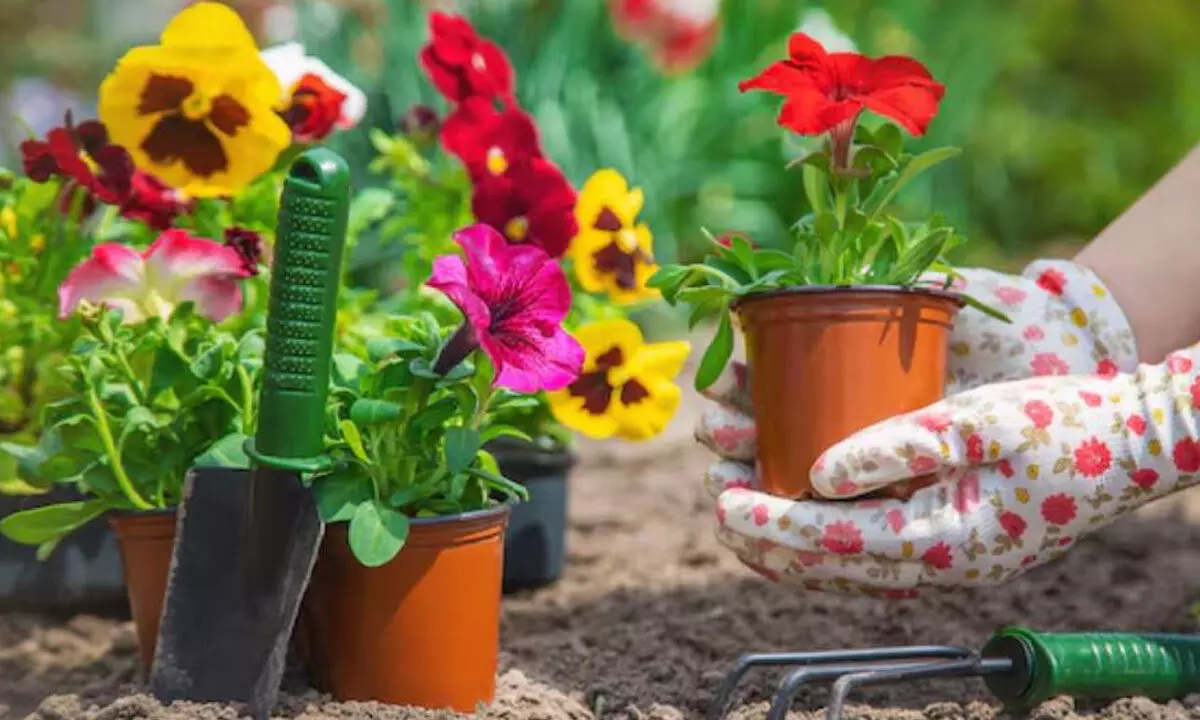
Transform your garden this autumn with easy, smart tricks to nurture, protect, and prepare your plants for a cosy winter season.
As the crisp autumn breeze settles in and daylight starts to fade, gardens naturally slowdown in rhythm. However, this transitional period is not a time for dormancy—it’s the perfect opportunity to nurture and prepare your plants for the coming winter chill. Fall gardening is all about revitalisation, protection, and care, ensuring your garden remains healthy and vibrant even when temperatures drop.
Here are eight smart and simple tricks to keep your fall garden flourishing and ready for the colder months ahead.
1. Clear Out the Old and Diseased Growth Start by removing dead annuals, dried leaves, and any diseased or pest-infested plants. This step prevents the spread of fungi and harmful insects through the winter. Remember not to compost infected plants—dispose of them properly through municipal waste to keep your soil disease-free.
2. Prune Thoughtfully, Not Aggressively Late autumn is ideal for gentle pruning once plants go dormant. Cut away damaged or dead branches from shrubs and trees to stimulate healthy regrowth. Avoid heavy pruning of spring-flowering plants, as premature trimming may remove next season’s buds.
3. Rejuvenate the Soil Naturally Healthy soil is the foundation of a thriving garden. Loosen the topsoil slightly to enhance airflow and water absorption. Enrich it with organic materials like compost, vermicompost, or well-rotted manure. Mixing in leaf mould or sand improves drainage and microbial activity, keeping the soil fertile through winter.
4. Mulch for Warmth and Moisture Mulching acts as a natural blanket for your garden beds. Spread a layer—about five to eight centimetres thick—using dry leaves, straw, or sugarcane bagasse. This helps retain warmth, conserve moisture, and block weed growth. Just be sure to leave a small gap around the plant base to prevent stem rot.
5. Plant Cool-Weather Crops Autumn is a wonderful time to grow hardy vegetables that thrive in cool climates. Spinach, fenugreek, mustard greens, radish, beetroot, peas, and carrots are excellent choices. In areas prone to dew or poor drainage, raised beds or deep containers work best to prevent root damage.
6. Divide Overgrown Perennials If perennials like daylilies or ginger lilies have become crowded, divide and replant them to encourage healthy root systems and lush spring blooms. This rejuvenation helps the plants establish strong roots before the frost sets in.
7. Maintain Your Gardening Tools and Setup Fall is the perfect season to restore and care for your gardening equipment. Clean, oil, and store tools to prevent rusting. Repair garden structures like planters, trellises, and fences while the weather is still mild. Don’t forget to drain and store hoses to prevent cracking during the cold months.
8. Start Composting for Spring With plenty of fallen leaves and plant waste available, autumn is the ideal time to start composting. Combine green materials like vegetable peels with brown matter such as dry leaves or twigs. Turn the pile regularly and protect it from rain. By spring, you’ll have nutrient-rich compost ready to nourish your plants.
By following these simple yet effective tricks, you can ensure your garden stays lush, healthy, and full of life even as winter approaches. A little extra care now guarantees a vibrant, flourishing start when spring returns—keeping your garden cosy, colourful, and full of natural charm all season long.