Today is National Stretching Day: Stretch, move, breathe: Why simple stretches matter for children

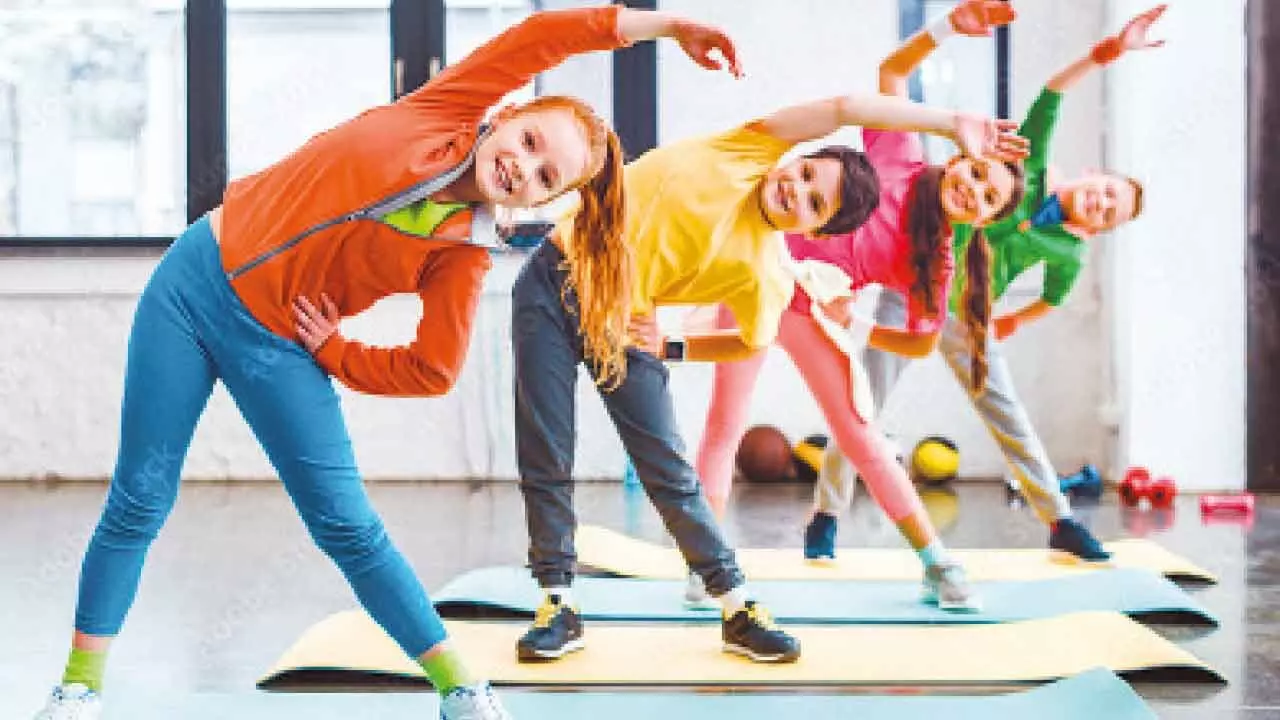
Stretching may seem like a small part of the day, but for children, it can make a surprisingly big difference. In a fast-paced world filled with school pressures, screen time, and structured routines, the simple act of pausing to move and breathe helps young learners reconnect with their bodies and minds. A few minutes of stretching can ease tension, improve focus, and bring a sense of calm that supports both emotional wellbeing and physical development.
For growing children, stretching increases flexibility, strengthens posture, and supports healthy muscle and bone development. Many students today spend long hours sitting—whether in classrooms, during homework, or while using gadgets. This leads to stiffness in the neck, shoulders, and back. Gentle stretches help release this tension, improve circulation, and prevent early strain that can affect comfort and concentration in class.
Stretching also plays a key role in emotional regulation. When children stretch, they naturally begin to breathe deeper and slower. This activates the body’s relaxation response, lowering stress and helping them manage big feelings more effectively. Teachers often observe that children who engage in short movement breaks—like arm stretches, toe touches, or simple yoga poses—return to learning with improved mood, patience, and attention.
Movement-based routines also nurture self-awareness. As children stretch, they learn to notice how their bodies feel: tight, relaxed, tired, or energized. This ability to check in with themselves is an essential part of emotional intelligence. Stretching becomes a moment of mindfulness—an opportunity to pause, breathe, and reset.
Group stretching can further build classroom community. When children stretch together before a lesson or after a long activity, it fosters cooperation and a shared sense of wellbeing. It teaches them that self-care is normal, important, and something they can practice every day.
Most importantly, stretching is accessible to all children. It requires no equipment, no special skills, and only a few minutes. Whether at school, at home, or outdoors, simple movements—raising arms overhead, rolling shoulders, bending forward, or taking deep breaths—can help children feel lighter and more balanced.
In a world that often feels busy and overwhelming, encouraging children to pause and stretch is a small act with a big impact. These gentle movements remind them to breathe, release tension, and carry calmness into their day—one stretch at a time.