When Friendship Ends: Why Losing a Close Friend Can Hurt More Than Heartbreak

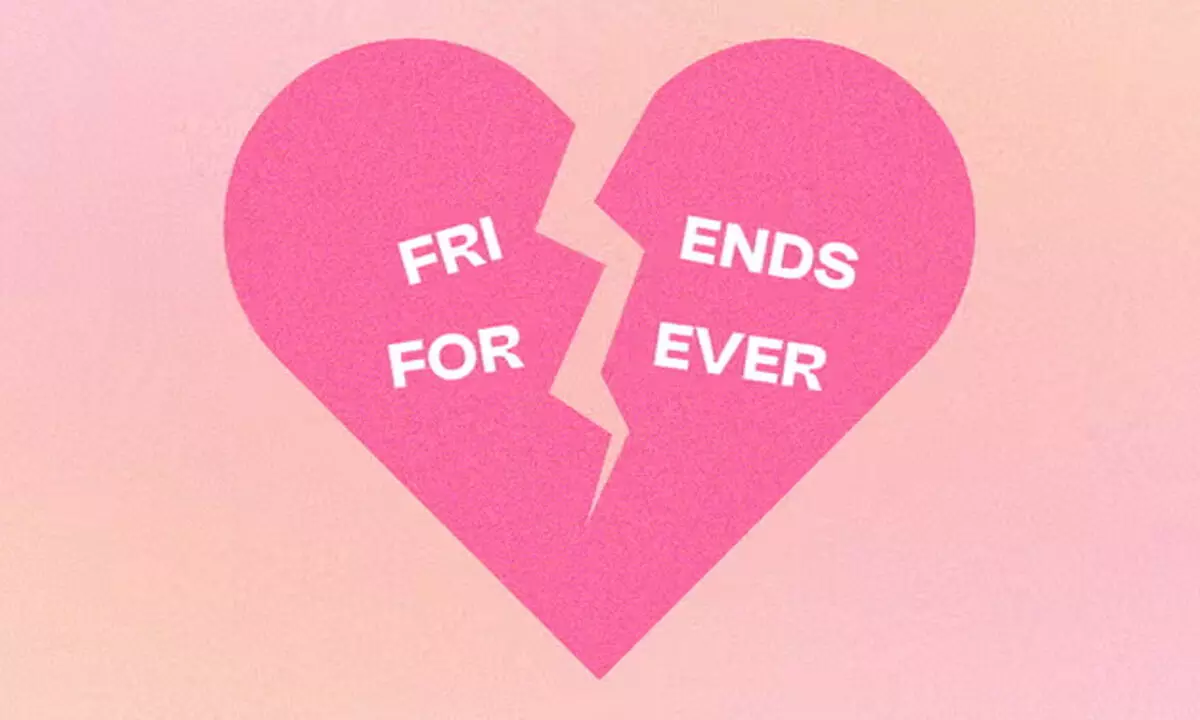
Friendship breakups quietly wound deeper than romance, disrupting identity, belonging, and emotional safety without the closure society usually provides.
Romantic breakups often take center stage in conversations about heartbreak, but the end of a close friendship can sting just as deeply, sometimes even more. When a longtime friend walks away or drifts out of your life, the pain can feel confusing and overwhelming. It’s not just about losing a person; it’s about losing a shared history, a comfort zone, and a piece of yourself.
Unlike romantic relationships, where the possibility of separation often lingers in the background, friendships carry an unspoken assumption of permanence. We rarely imagine a future without our closest friends. So, when that bond breaks, the shock can feel sharper and more destabilising.
Why Friendships Feel Safer Than Romance
Friendships usually grow without pressure or performance. There is no need to impress or maintain a certain image. Over time, friends see each other at their most authentic — messy emotions, flaws, inside jokes, and everyday struggles.
This emotional honesty creates a deep sense of safety. Friends often become the people we call first after a bad day or celebrate with during milestones. They help regulate our moods, offer perspective, and simply sit with us when things feel heavy. Losing that steady support system can leave a noticeable emotional gap.
Without that familiar presence, even routine moments — grabbing coffee, sharing memes, venting after work — can suddenly feel lonely.
The Illusion of “Forever”
Many friendships develop under the belief that they will last for life. Phrases like “best friends forever” aren’t just words; they become expectations. When reality doesn’t match this belief, it can create intense emotional conflict.
The mind struggles to understand how someone who once felt essential can become distant or absent. This clash between expectation and reality often prolongs grief and makes it harder to move on. There’s no clear script for how to handle the end of a friendship, which adds to the confusion.
Grief That Goes Unnoticed
One of the toughest parts of a friendship breakup is how invisible it can feel. Society recognises romantic heartbreak with sympathy, advice, and rituals like break-up talks or closure conversations. Friendships, however, rarely receive the same acknowledgment.
Because there are no formal ways to mourn the loss of a friend, people often minimise their pain or feel embarrassed to talk about it. This unrecognised grief can linger longer, turning into sadness, self-doubt, or isolation.
The loss can also shake one’s identity. Long-term friends often shape how we see ourselves. When they leave, it can feel like a part of our story disappears too.
How to Heal and Move Forward
Recovering from a friendship breakup takes time and patience. The first step is accepting that the pain is real and valid. Suppressing emotions or pretending it doesn’t matter only delays healing.
Allow yourself to feel sadness, anger, or disappointment without judgment. Practising self-compassion, engaging in small acts of self-care, and reflecting on what the friendship meant can help bring clarity. Reaching out to other support systems and slowly building new connections can also restore a sense of belonging.
It’s important not to rush replacements or force new bonds. Meaningful relationships grow naturally.
A Gentle Reminder
Friendships shape our lives in quiet but powerful ways. When they end, it’s normal to feel shaken. But loss also creates space for growth, new connections, and deeper understanding of what we need from relationships.
Healing may not be quick, but with time and kindness toward yourself, the ache softens — and life gradually feels whole again.