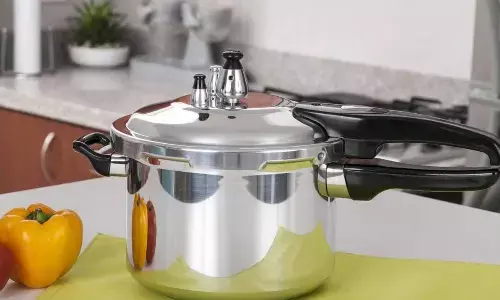
Why You Should Stop Storing Salt in Steel Containers Immediately

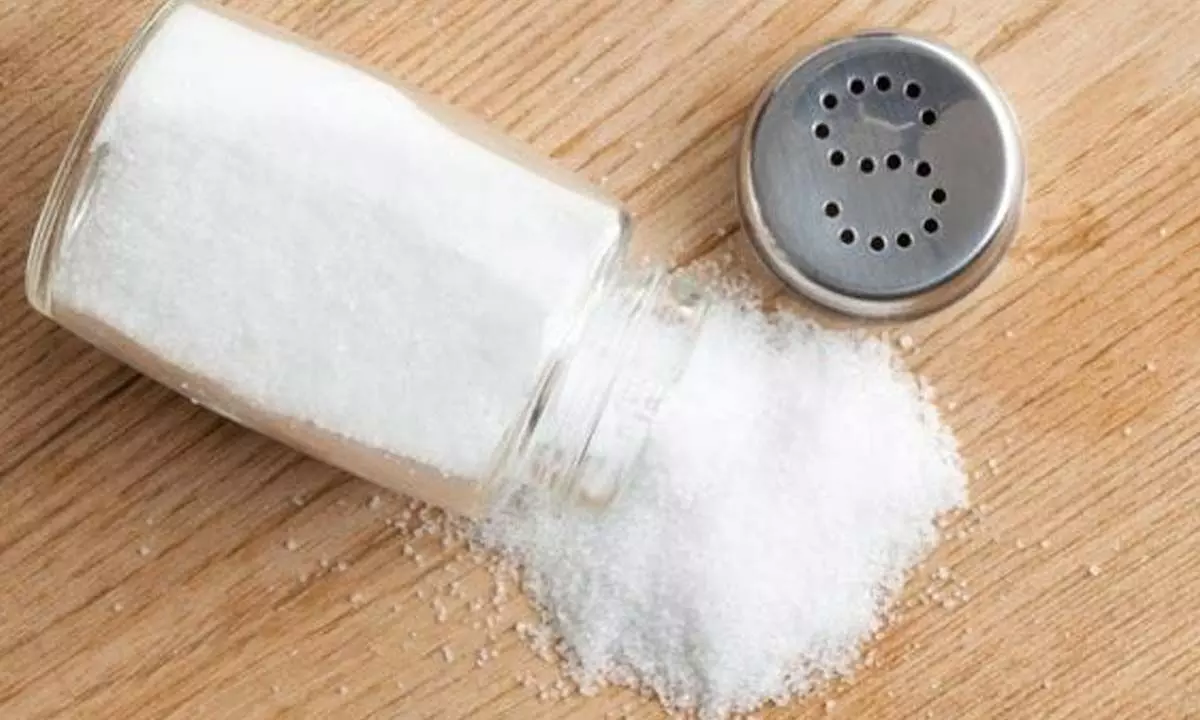
Storing salt in steel containers can cause rusting, clumping, and flavour loss—switch to ceramic, glass, or food-grade plastic instead
Salt is a kitchen essential found in every household, prized for enhancing taste and preserving food. Yet, while many people pay close attention to the type of salt they use—be it refined, rock, or Himalayan—they often overlook the importance of proper storage. One of the most common mistakes? Storing salt in steel containers.
It may seem harmless, but over time, this practice can do more harm than good.
Why Salt and Steel Don’t Mix
Most households use traditional steel containers for salt storage. But here's the problem: salt is hygroscopic, meaning it naturally draws moisture from the air. In a kitchen, where humidity, heat, and steam are always present, this can spell trouble.
Unless you're using high-grade stainless or food-safe steel, the combination of salt and moisture can trigger chemical reactions, leading to:
- Rusting of the container
- Salt contamination and a metallic taste
- Clumping, making it hard to scoop
- Discolouration and shortened life of the container
- The result? Your salt becomes hard, loses its flavour, and can even absorb the aromas of nearby spices.
Smarter Ways to Store Salt at Home
Switch the Container: Opt for non-reactive materials like glass, ceramic, or BPA-free food-grade plastic with airtight lids. These options prevent moisture from seeping in and maintain the salt’s purity.
Add a Moisture Absorber: Placing a few uncooked rice grains or a small piece of dry bread inside the container helps soak up excess humidity, keeping the salt loose and easy to use.
Location Matters: Keep your salt container away from the stove. Steam and heat can easily find their way into open or loosely covered containers, ruining the texture.
Use a Dry Spoon: A wet spoon can introduce moisture instantly. Always ensure your spoon is completely dry before dipping into the container.
Bottom Line:
Storing salt properly isn’t just a matter of tidiness—it’s essential for preserving taste, texture, and hygiene. Ditch that steel container and choose smarter storage methods to keep your kitchen staple fresh and safe.