Genetically Modified Wolves Born with Traits of Dire Wolves

Genetically Modified Wolves Born with Traits of Dire Wolves
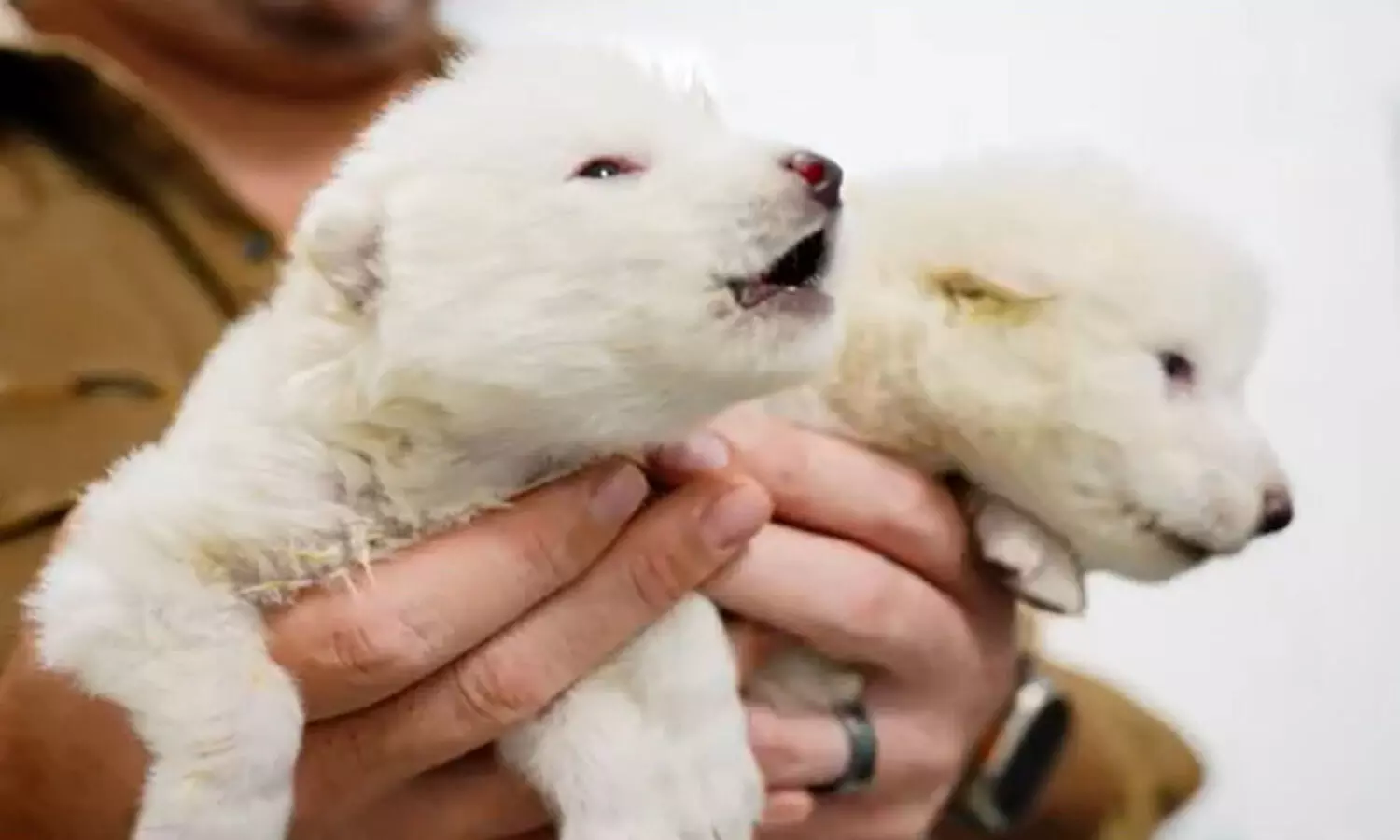
Three genetically engineered wolf pups with dire wolf traits were born in the US as part of a de-extinction project led by Colossal Biosciences.
In a secure facility within the United States, three genetically modified wolf pups have been introduced, carrying key genetic characteristics of the long-extinct dire wolf species. According to Colossal Biosciences, the organization spearheading the project, this marks a significant step toward reviving extinct traits in living animals.
The pups, currently aged between three and six months, exhibit features including dense white fur, robust jaws, and significant body mass. Each pup weighs approximately 80 pounds and is expected to reach nearly 140 pounds in adulthood, resembling the dire wolves that disappeared over 10,000 years ago.
Although often associated with fiction through 'Game of Thrones,' dire wolves were real predators of the Pleistocene epoch. They were larger and more heavily built than today's gray wolves. Colossal Biosciences clarified that the new animals are not true dire wolves but gray wolves modified to express similar traits.
The revival effort involved extracting ancient DNA from dire wolf fossils, including a 13,000-year-old tooth found in Ohio and a 72,000-year-old skull fragment from Idaho. Using CRISPR gene-editing tools, scientists altered 20 specific locations in the DNA of a gray wolf. The modified cells were then introduced into domestic dog egg cells, implanted into surrogates, and resulted in live births after a 62-day gestation.
Beth Shapiro, chief scientist at Colossal, led the genetic engineering process. The project also drew on museum-held fossil specimens to identify distinguishing traits of dire wolves.
Experts outside the project emphasize the limitations of such advancements. Vincent Lynch, a biologist from the University at Buffalo, stated that recreating the exact behavioral and ecological role of extinct species remains out of reach. "Current technology enables the recreation of some physical traits, not complete restoration," Lynch said.
Colossal’s team noted that the pups may look like dire wolves, but their behavior, including complex hunting strategies, cannot be replicated without the social learning from extinct parents.
In parallel efforts, Colossal has also cloned four red wolves using genetic material from wild individuals of the critically endangered red wolf population in the southeastern United States. The aim is to boost genetic variation in the captive breeding population.
Christopher Preston from the University of Montana acknowledged the potential of this technique in conservation. He noted that although it involves sedation to collect samples, it may offer a less invasive option compared to traditional cloning methods.
Colossal CEO Ben Lamm confirmed that the company recently met with U.S. Interior Department officials regarding the implications of these developments. While Interior Secretary Doug Burgum praised the innovation on social media, experts maintain that resurrected species cannot reclaim extinct ecological roles in today’s environment.
The company continues work on similar projects involving woolly mammoths and dodos, reflecting its broader mission of genetic restoration and conservation.