Fatal Clashes Rock Ladakh As Statehood Demands Spark Deadly Violence And Mass Injuries

Four killed, 70 injured in Ladakh protests demanding statehood and constitutional protection as demonstrators torch BJP office, prompting authorities to ban gatherings in Leh.
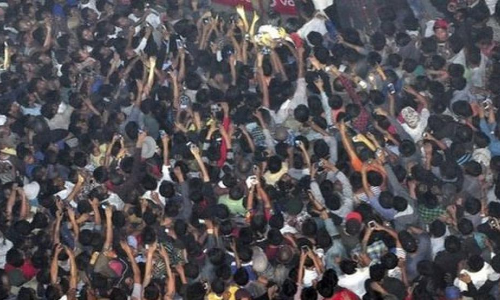
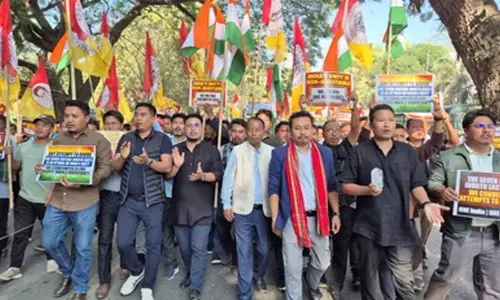
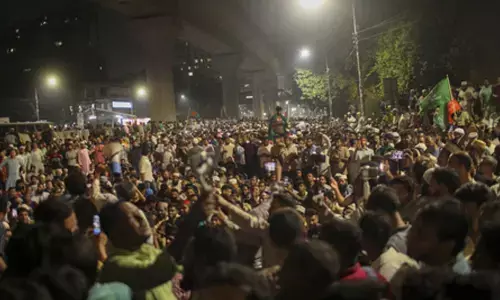
Tragic violence erupted in Ladakh's capital on Wednesday, claiming four lives and leaving over 70 people injured during demonstrations calling for statehood and constitutional safeguards under the Sixth Schedule. The peaceful protests rapidly deteriorated into deadly confrontations, forcing authorities to impose immediate restrictions on public gatherings throughout Leh.
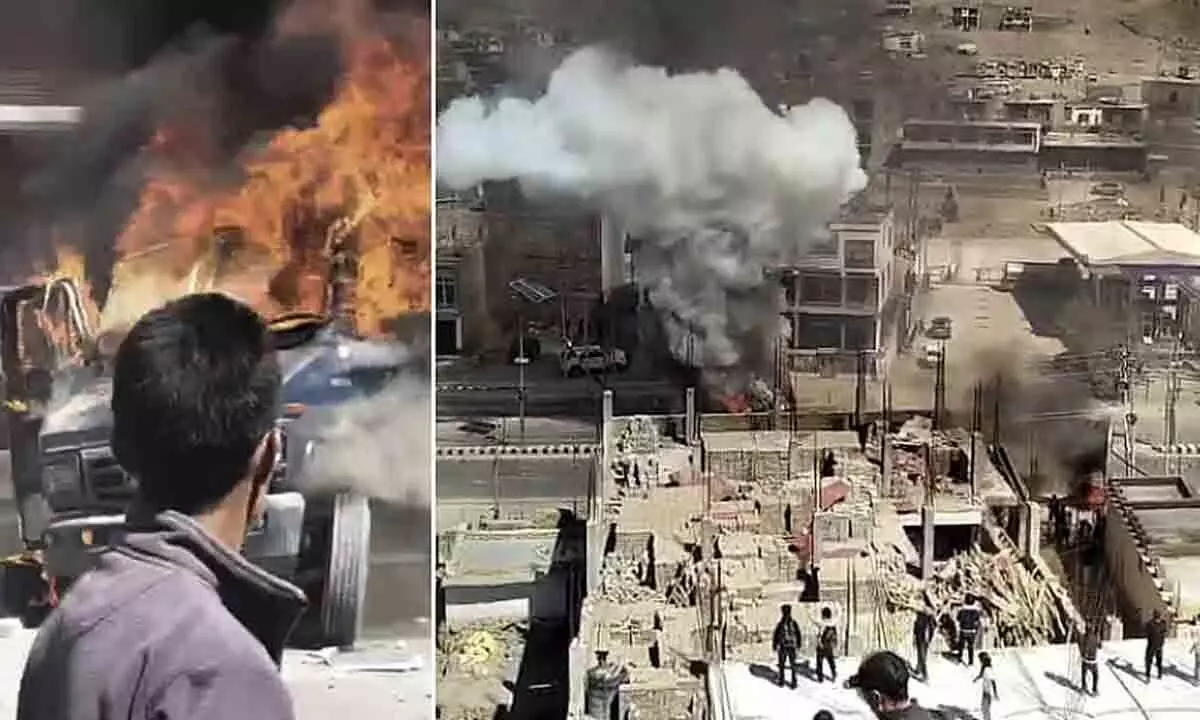
The unrest intensified when protesters set fire to the regional BJP headquarters and destroyed a security vehicle, while law enforcement responded with tear gas deployment and baton charges to restore order. The escalating violence prompted the Union Territory administration to deploy additional security forces as the situation spiraled beyond control.
The demonstrations were organized by the Leh Apex Body's youth wing as part of their sustained campaign advocating for full statehood recognition and inclusion under the Constitution's Sixth Schedule provisions. This constitutional framework, designed to protect tribal communities in northeastern states, would grant Ladakh enhanced autonomous governance, specialized judicial systems, and expanded local authority.
The protest call gained urgency following the hospitalization of two participants from an ongoing hunger strike that began September 10 under the leadership of climate activist Sonam Wangchuk. Among the 15 individuals participating in the fast, the deteriorating health conditions of two strikers became a rallying point for broader public demonstrations.
Wangchuk, who concluded his personal 15-day hunger strike on Tuesday, made urgent appeals for non-violence as events unfolded. The environmental advocate emphasized that no protest movement succeeds when lives are lost to violence, urging both demonstrators to cease destructive activities and authorities to halt tear gas deployment.
The deadly confrontations began when groups of young protesters allegedly initiated stone-throwing incidents, triggering police intervention that escalated into broader clashes throughout Leh's commercial areas. The violence reached its peak when demonstrators targeted the BJP office with arson, creating scenes of chaos that overwhelmed local security arrangements.
Ladakh's current constitutional status stems from the August 2019 reorganization that followed Article 370's abrogation, when the region separated from Jammu and Kashmir to become an independent Union Territory under direct federal administration. Since this transition, both Ladakh and Jammu and Kashmir have maintained consistent demands for full statehood restoration.
The tragic events forced cancellation of the annual Ladakh Festival's closing ceremony, which had been scheduled to conclude the four-day cultural celebration that began over the weekend. Festival organizers cited unavoidable circumstances while expressing regret to participating artists, cultural organizations, visiting tourists, and local communities.
Both the Leh Apex Body and Kargil Democratic Alliance, representing diverse political and social constituencies across the region, have maintained unified pressure on federal authorities to address their constitutional concerns. Their supporters argue that Sixth Schedule protection is essential for preserving Ladakh's fragile ecosystem, distinctive cultural traditions, and tribal population rights.
Scheduled dialogue between Home Ministry officials and regional leadership from both advocacy organizations is set for October 6, though protesters have pressed for earlier negotiations given the prolonged hunger strike and mounting public concerns about Ladakh's political future.
The violence coincided with sharp criticism from Jammu and Kashmir Chief Minister Omar Abdullah, who accused the BJP of deliberately delaying statehood restoration since losing recent regional elections. Abdullah characterized the federal government's approach as punitive toward populations that didn't support BJP candidates, arguing that statehood promises should not depend on electoral outcomes favoring the ruling party.
Wangchuk expressed profound disappointment that his message of peaceful resistance had failed to prevent the deadly confrontations, acknowledging that the movement's commitment to non-violent methods had been compromised by the day's tragic events. The climate activist's concerns reflect broader questions about maintaining peaceful advocacy in the face of prolonged governmental inaction on constitutional demands.