Apple Revives iPhone 5s With Surprise Update, Extends Key Services Until 2027

Apple unexpectedly updates the 12-year-old iPhone 5s, keeping iMessage, FaceTime, and essential services running smoothly until 2027.
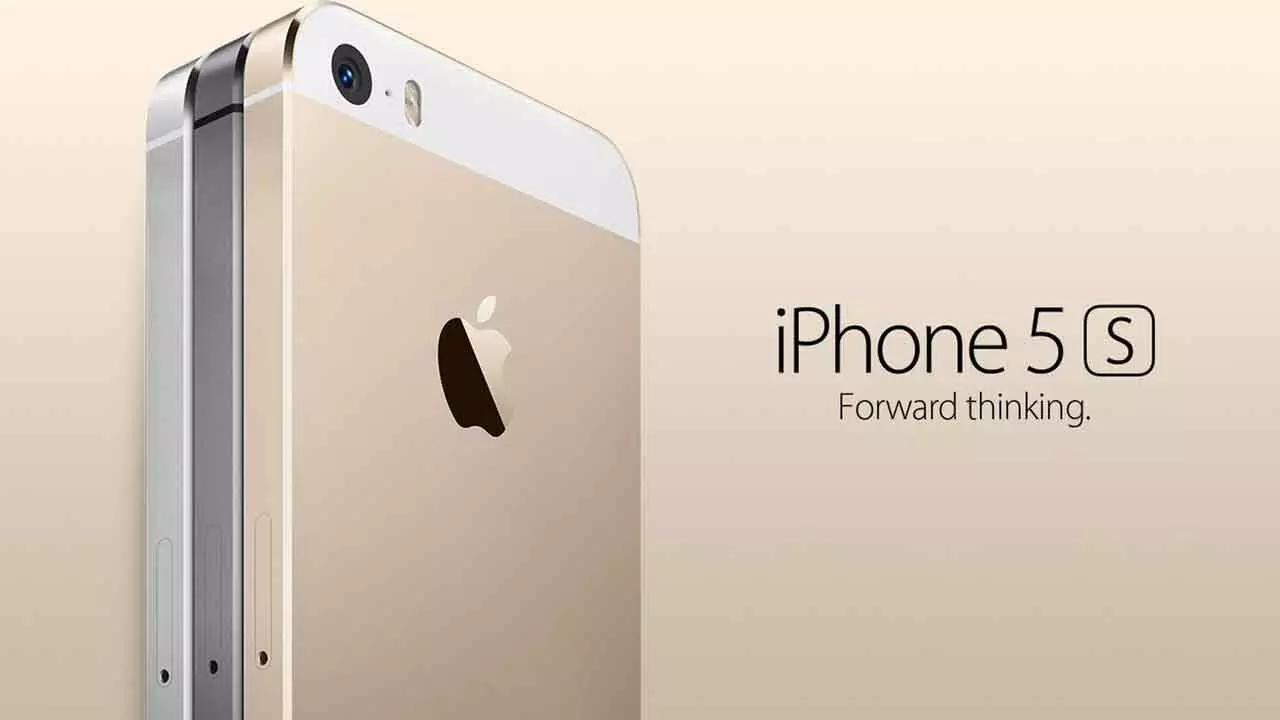
In a move few smartphone users would have predicted in 2026, Apple has quietly released a fresh software update for one of its oldest devices — the iPhone 5s. First launched in September 2013, the handset is now more than 12 years old, yet Apple is still ensuring it remains functional for everyday basics.
The company has rolled out iOS 12.5.8 specifically for older iPhones that cannot upgrade beyond iOS 12. This includes the iPhone 5s and the iPhone 6. While newer models received the latest iOS 26.2.1, Apple didn’t forget its legacy users, pushing this special update to keep essential services alive.
With this release, the iPhone 5s effectively receives software support stretching close to 13 years from its launch. The iPhone 6, introduced in 2014, is also covered, taking its lifespan to roughly 12 years. In an industry where most smartphones receive updates for only three to four years, Apple’s continued attention to decade-old hardware stands out.
According to Apple’s release notes, iOS 12.5.8 extends an important system certificate required for services such as iMessage, FaceTime, and even device activation. Without renewing this certificate, these features would eventually stop working once the earlier one expired. Apple now confirms that these core services will remain operational beyond January 2027.
For many users, this update may feel minor, but it has real-world value. Older iPhones are often repurposed as backup devices, secondary phones, or given to elderly family members for simple communication. Without continued support, these phones could lose basic connectivity features that make them usable in the first place.
What makes this rollout even more surprising is the long gap since the last update. The iPhone 5s and iPhone 6 previously received security fixes back in January 2023, leading many to assume Apple had ended support. This week’s release proves otherwise, showing Apple is still prepared to step in when technical issues threaten essential functionality.
Officially, Apple says it commits to providing a minimum of five years of security updates from launch. However, the company’s history shows it often exceeds that promise. The iPhone 6s is a notable example. Released 11 years ago, it still received a security update in September 2025 with iOS 15.8.5, followed by iOS 15.8.6, which similarly extends certificate support.
Unlike some Android brands that publicly outline fixed timelines, Apple rarely specifies exact durations. Yet its track record suggests many devices continue receiving fixes and compatibility updates well beyond expectations.
Alongside updates for older phones, Apple also pushed new versions of iOS 18 and iOS 16 for supported models, making this a broad software rollout. Still, it’s the unexpected update for the iPhone 5s that has drawn the most attention.
While few people may rely on the 5s as their main device today, Apple’s decision to keep services like FaceTime and iMessage working highlights its commitment to long-term usability — something not many manufacturers can match.