How Wearable Technology is Changing Pain Management

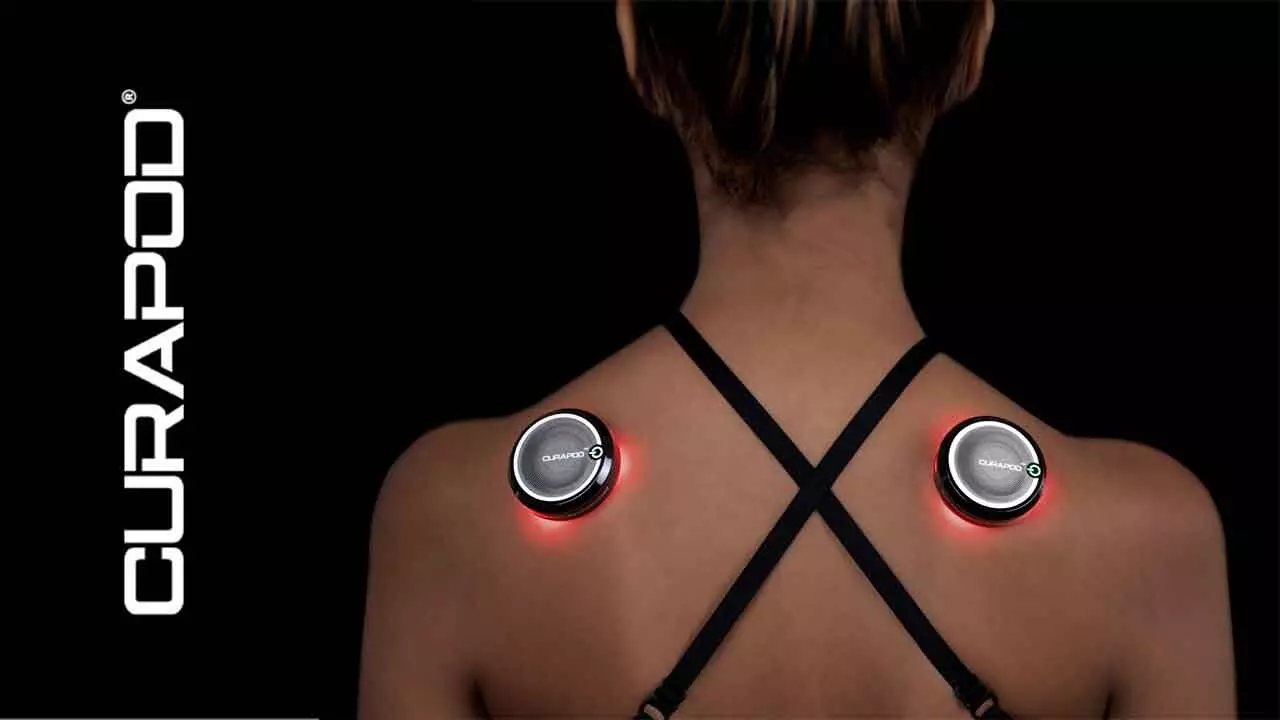
A Made-in-India wearable device is reshaping chronic pain care by combining clinical validation, non-invasive therapy, and everyday usability.
Mr Surya Prakash, Founder and Chief Technology Officer of CURAPOD, spoke to The Hans India about why pain management in India needs to move beyond painkillers and episodic treatment. He shared how clinically validated wearable technology can bridge the gap between hospital-led care and everyday pain management, making drug-free, non-invasive therapy both accessible and practical for long-term use at home.
Pain management is a growing concern across age groups in India. What gaps did you observe in existing pain relief solutions that led to the development of CURAPOD?
In India, pain management is still largely reactive. Most people depend on painkillers for recurring musculoskeletal pain, which may offer short-term relief but raises concerns around dependency and long-term side effects. While physiotherapy and clinical treatments are effective, their adoption is often limited by cost, accessibility, time constraints, and inconsistent follow-through. This creates a clear gap between clinical-grade therapy and solutions people can realistically use at home regularly. CURAPOD was developed to bridge this gap by offering a safe, non-invasive, drug-free therapy that enables consistent pain care without frequent hospital visits or prolonged medication use.
How does CURAPOD work in simple terms, and what kind of pain conditions is it most commonly used for?
CURAPOD is a wearable device placed directly on the area where a person feels pain, such as the knee, back, shoulder, or neck. It delivers controlled red and near-infrared light into the affected tissue to support healing from within. This light helps reduce inflammation, improve blood circulation, and stimulate cellular repair, which are key drivers of musculoskeletal pain relief. CURAPOD is commonly used for chronic back and knee pain, arthritis, tendonitis, sports injuries, nerve discomfort, and pain caused by prolonged sitting or repetitive strain.
Many consumers rely heavily on painkillers for chronic or recurring pain. Where does CURAPOD fit into the broader conversation around non-invasive and drug-free pain management?
CURAPOD represents a shift from symptom suppression to biological healing. Unlike painkillers that temporarily mask pain signals, CURAPOD works on underlying inflammation and tissue recovery. It also differs from generic wellness devices that rely on heat or electrical stimulation. As a non-invasive, drug-free solution designed for repeated use, CURAPOD is particularly relevant for chronic pain management where long-term safety and sustainability are critical.
From a user perspective, what kind of outcomes or relief can one realistically expect, and over what duration of use?
Each CURAPOD session lasts 30 minutes and easily fits into daily routines. During use, most users experience a gentle warming or soothing sensation without discomfort. After sessions, users commonly report reduced stiffness, improved mobility, and a decrease in pain. Some experience relief relatively quickly, while others notice gradual improvement over weeks of consistent use.
Has CURAPOD been tested or validated through clinical studies, user trials, or expert feedback? If yes, could you share some insights from that experience?
Yes. CURAPOD has been validated through a randomised, placebo-controlled clinical study evaluating its safety and performance in clinical settings. The study demonstrated a meaningful improvement in outcomes for users of the active device compared to the placebo group, reinforcing its therapeutic value. CURAPOD holds CDSCO Class II approval, CE certification, and FDA registration, confirming compliance with Indian, European, and global regulatory standards. It also meets recognised light-based therapy certifications and medical device safety requirements. Feedback from clinicians, physiotherapists, and early users has consistently highlighted effective pain relief, strong safety credentials, and ease of use as part of a structured pain management routine.
Who do you see as the primary users of CURAPOD today: patients, working professionals, athletes, or the elderly, and why?
CURAPOD serves a broad user base. Chronic pain patients value its drug-free design for long-term use. Athletes and fitness enthusiasts use it to support recovery and manage overuse injuries. Working professionals rely on it to address neck, back, and shoulder strain caused by prolonged sitting, while post-injury users use it as a complementary tool between physiotherapy sessions. Its versatility makes it relevant across age groups.
Accessibility and ease of use are important in health-tech adoption. How have you designed CURAPOD to be user-friendly for everyday, at-home use?
CURAPOD is a compact, wearable, Made-in-India device designed for simple at-home use without medical expertise. Its companion app guides users on correct placement, session duration, and frequency based on pain type. The app also supports pain tracking and reminders, helping users stay consistent and enabling clinicians to monitor progress remotely.
Looking ahead, how do you see technology shaping the future of pain management in India, and where does CURAPOD aim to play a role in that evolving ecosystem?
Pain management in India is moving toward personalised, preventive, and home-based care. Technology will enable therapies that adapt to individual needs and reduce dependence on reactive treatments. CURAPOD aims to play a central role in this shift by combining clinically validated therapy with intelligent, adaptive technology. Future iterations will integrate real-time sensors to deliver more responsive and precise pain management for everyday life.