Meta Eyes Prescription-Friendly Ray-Ban Smart Glasses Expansion

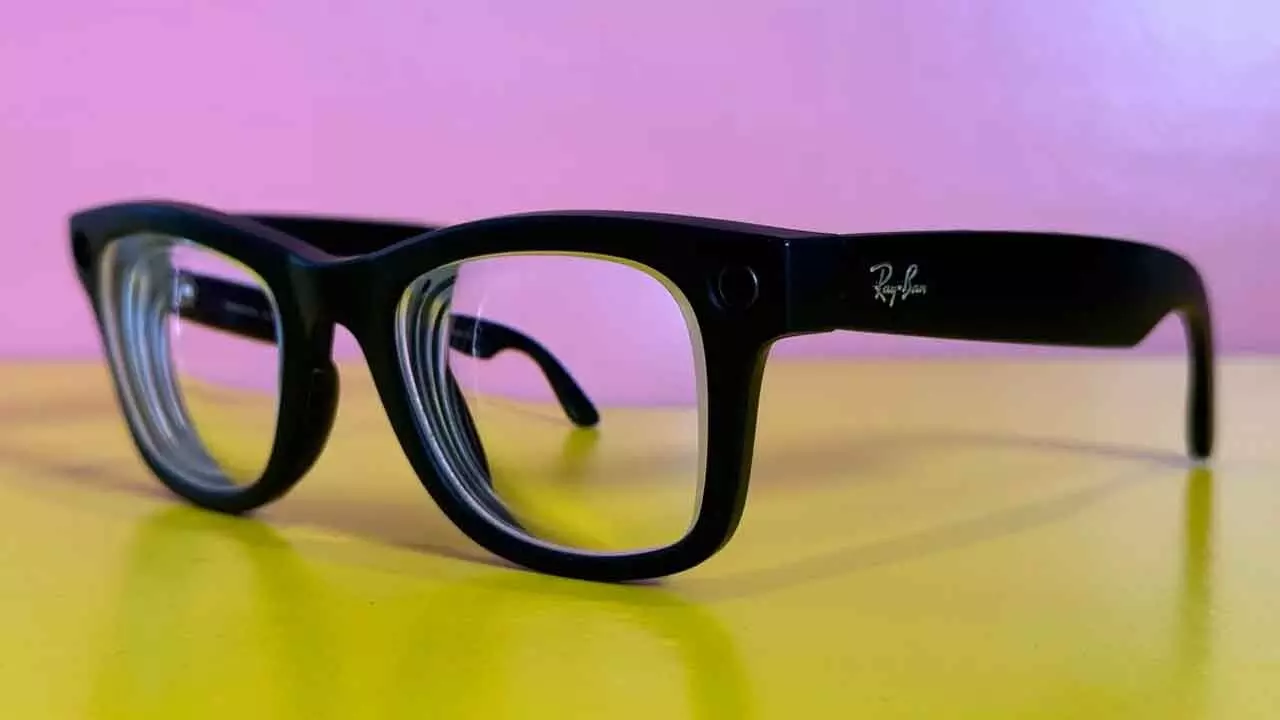
Meta plans prescription-ready Ray-Ban smart glasses with improved comfort, connectivity, and design, aiming to make AI eyewear a mainstream daily essential.
Meta is reportedly preparing to broaden its smart eyewear portfolio by introducing new Ray-Ban smart glasses tailored specifically for users who require vision correction. According to recent reports citing Bloomberg via 9To5Google, the company is developing two fresh models designed from the ground up to support prescription lenses, rather than modifying existing frames.
Currently, users of Ray-Ban Meta smart glasses can opt for prescription lenses within the available frame designs. However, these upcoming versions are expected to take a more dedicated approach, addressing the unique needs of individuals who depend on corrective eyewear daily. The new models are said to include both rectangular and rounded frame styles, offering more variety and potentially improved ergonomics.
Although detailed specifications remain under wraps, early insights suggest that Meta is working on enhancing several aspects of the design. Improvements in frame thickness, overall comfort, and battery performance are anticipated, which could significantly boost usability for all-day wear. These refinements indicate a clear effort to make smart glasses more practical for routine use, particularly among prescription users.
Another notable shift could be in how these devices reach consumers. Reports indicate that Meta may distribute these smart glasses through traditional prescription eyewear channels. This move would mark a departure from its current retail strategy and could help the company tap into a much broader audience, especially those who typically purchase glasses through opticians or specialized stores.
Further evidence pointing toward an imminent launch comes from filings with the US Federal Communications Commission (FCC). Two models, reportedly codenamed “Scriber” and “Blazer,” have surfaced in these documents and are described as production-ready units. Typically, such filings suggest that a product is nearing its commercial debut. Among the two, the “Blazer” model is expected to be available in a larger size, catering to a wider range of users.
The filings also hint at a technical upgrade, including support for the Wi-Fi 6 UNII-4 band—a feature absent in current models. This enhancement could enable faster data transfer speeds, improving performance for features like livestreaming and real-time connectivity, which are becoming increasingly important in wearable technology.
Speaking about the broader vision, Mark Zuckerberg emphasized the potential scale of this innovation during a recent earnings call. He stated, “billions of people wear glasses or contacts for vision correction” and that “it’s hard to imagine a world in several years where most glasses that people wear aren’t AI glasses.” These remarks underline Meta’s long-term ambition to integrate artificial intelligence into everyday wearables.
By focusing on prescription users, Meta appears to be taking a significant step toward mainstream adoption of AI-powered eyewear. If successful, this strategy could transform smart glasses from a niche gadget into an essential, everyday device for millions worldwide.