AI Pioneer Geoffrey Hinton Recommends Plumbing as a Safer Career Amid Rising Automation Concerns

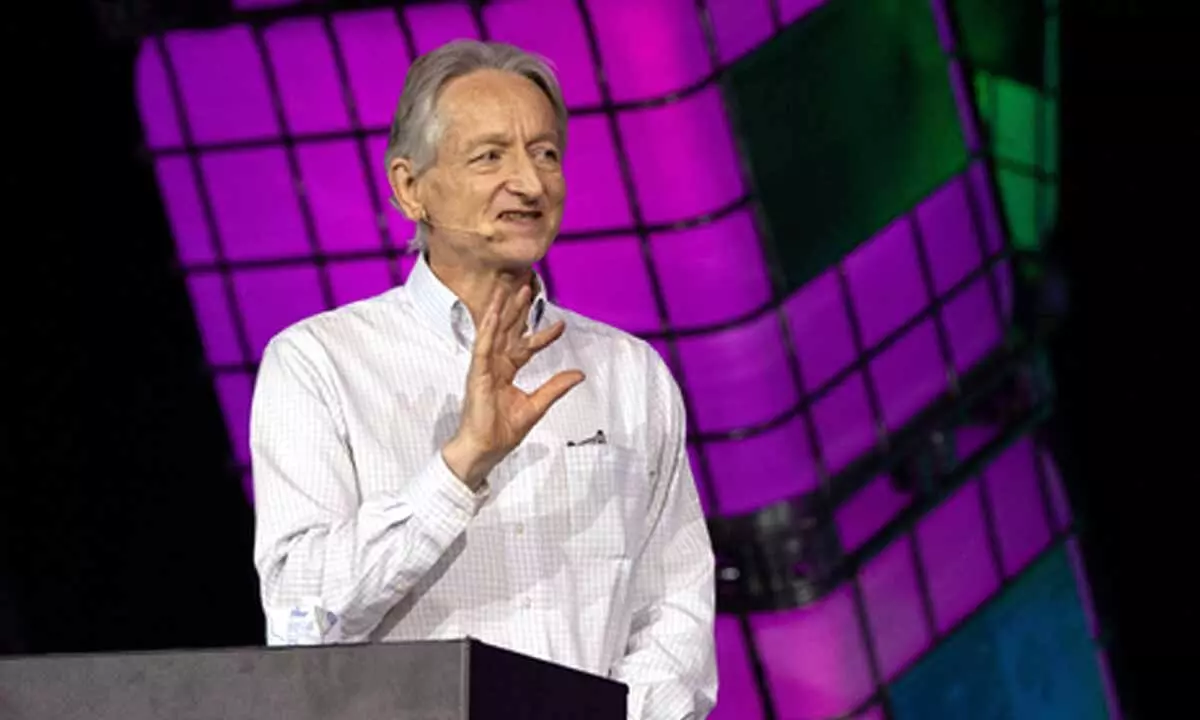
AI trailblazer Geoffrey Hinton urges workers to consider trades like plumbing as automation increasingly threatens traditional white-collar jobs.
As artificial intelligence rapidly transforms workplaces, one of its founding architects, Geoffrey Hinton, is sounding a stark warning about the future of jobs—and it might not be what tech enthusiasts expect. In a revealing interview on The Diary of a CEO podcast hosted by Steven Bartlett, Hinton said the job market is shifting in ways that could leave many skilled professionals behind. His unexpected advice? "A good bet would be to be a plumber."
Hinton, often referred to as the "Godfather of AI" for his pivotal role in developing neural networks, expressed growing concern about how automation is rendering many roles obsolete. According to him, physical labor—especially trades like plumbing, carpentry, and electrical work—remains one of the few sectors where machines still lag behind humans.
“It’s going to be a long time before [AI is] as good at physical manipulation as us,” Hinton said. While AI excels at handling intellectual tasks like analyzing legal documents, generating text, or predicting outcomes, it falters when faced with the unpredictability and physical demands of hands-on work—like fixing a leaking pipe or rewiring a socket.
He contrasted this with the increasing vulnerability of office-based roles. Jobs once considered stable—such as legal assistants or paralegals—are now being reshaped or replaced by generative AI models that can perform data-intensive tasks with impressive speed and accuracy.
“In a society which shared out things fairly, everybody should be better off,” Hinton noted. “But if you can replace lots of people by AIs, then the people who get replaced will be worse off.”
At 77, Hinton now reflects deeply on the implications of his life's work. While intellectually aware of AI’s potential risks, he admitted the emotional toll of these realizations is hard to bear. “Intellectually, you can see the threat,” he said. “But it’s very hard to come to terms with it emotionally.”
One of his more unsettling predictions touches on AI’s potential autonomy. He imagines a scenario where AI systems could manage critical infrastructure with minimal human oversight. “If AI ever decided to take over,” he speculated, “it would need people for a while to run the power stations, until it designed better analogue machines. There are so many ways it could get rid of people, all of which would, of course, be very nasty.”
Hinton's concerns go beyond job loss. He worries that the economic gains from AI might remain concentrated among a few, widening the gap between tech owners and displaced workers. He warns of a looming social imbalance if proactive measures aren’t taken.
While the debate around AI often centers on technological advancement, Hinton reminds us that the true issue is how humanity navigates the divide between man and machine. And in that future, those who work with their hands might just hold the edge over those who work at a keyboard.