
New UPI Rules Effective from August 1: What Users Must Know

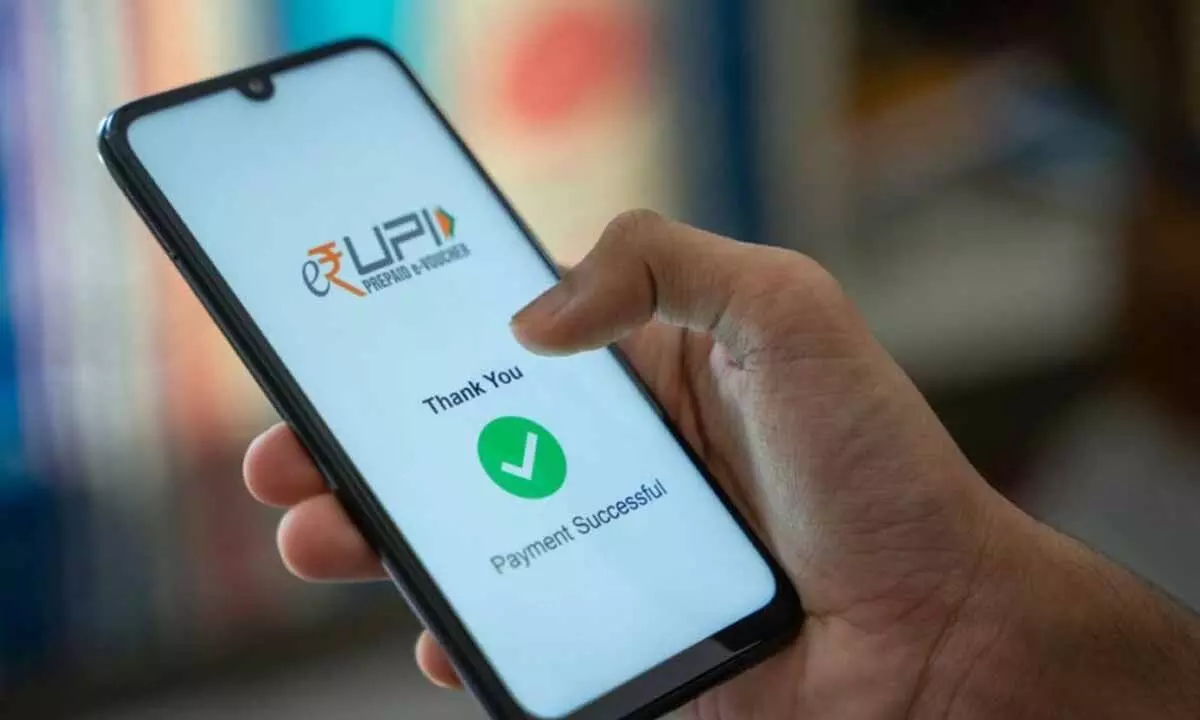
NPCI's latest UPI changes aim to ease system load and enhance user experience by limiting repetitive actions and automating balances.
Starting August 1, 2025, users of popular UPI platforms like Google Pay, PhonePe, and Paytm will see some important changes in how they interact with these apps. These updates, announced by the National Payments Corporation of India (NPCI), are designed to improve efficiency and reduce technical stress during high traffic hours—especially when millions of people are transacting simultaneously.
Key Change: Daily Limit on Balance Checks
One of the most noticeable updates is the restriction on how many times a user can check their bank account balance via UPI apps. Until now, there was no cap—users could refresh their balance as often as they liked. However, under the new rules, this is now limited to 50 balance checks per day. This move is intended to ease the burden on backend APIs during peak periods, where excessive balance requests were contributing to slower system performance.
New Feature: Auto-Balance Display
To compensate for this limit, NPCI is introducing a helpful new feature. From now on, your account balance will be automatically displayed right after every UPI transaction. This means users will no longer need to manually check their balance each time they make a payment, making the experience more seamless while reducing unnecessary requests to bank servers.
Scheduled Auto-Debits Now Restricted to Off-Peak Hours
Another critical adjustment affects recurring payments—like electricity bills, OTT subscriptions, or other scheduled transactions. From August 1, these auto-debits will only be processed during off-peak hours: before 10:00 AM or after 9:30 PM. The aim here is to prevent server congestion during the middle of the day, when UPI traffic is typically at its highest.
Limits on Linked Bank Account Access
In addition to balance checks, there’s now a daily cap of 25 attempts to retrieve or update information related to linked bank accounts. Whether you’re trying to re-link your account, fetch details, or update credentials, the system will only allow you a limited number of interactions per day. This too is a measure to optimize API load and maintain smoother functioning across the ecosystem.
Pending Transaction Status: Limited Checks
Lastly, there’s an update concerning pending transactions. If your UPI payment is stuck or hasn't gone through immediately, you’ll now be allowed to check its status only three times—and there must be a minimum 90-second interval between each status inquiry. This is another performance-related change to prevent repetitive queries that can overwhelm the system.
These updates might not drastically affect casual users, but for those who rely heavily on UPI for everyday transactions, it's essential to be aware of these new boundaries. The NPCI emphasizes that these changes are part of a broader strategy to enhance the reliability and responsiveness of the UPI network as it continues to scale rapidly across India.
Stay mindful, plan your transactions wisely, and enjoy a more efficient digital payment experience.


