Alarming levels of food adulteration

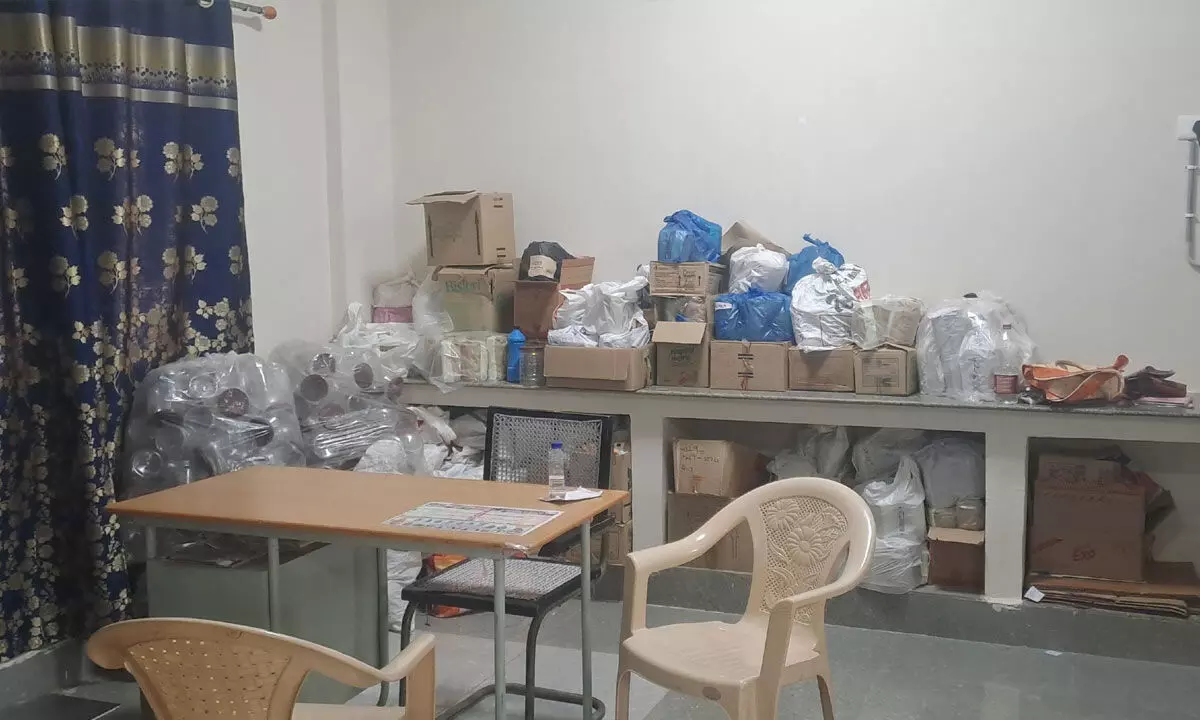
Previously, rural and urban areas had food inspectors who collected samples and sent them to laboratories for testing. Now, only a gazetted food inspector at the district headquarters has the authority to collect and inspect food samples. This shortage of inspectors has emboldened traders to compete in producing and selling adulterated food without restrictions
Wanaparthy: Food adulteration has reached alarming levels in Wanaparthy town, Kothakota and Pebbair mandals. The presence of National Highway 44 and the formation of new districts and municipalities have increased the demand for food supplies. With new hotels opening frequently, the market has become a breeding ground for adulterated food.
Food adulteration is spreading rapidly in the market, yet inspections are rare. Every item seems to be contaminated, and traders are freely selling adulterated products without fear of consequences. Despite having district authorities responsible for food safety, their inspections are perceived as mere formalities, leading to public outrage.
Previously, rural and urban areas had food inspectors who collected samples and sent them to laboratories for testing. Now, only a gazetted food inspector at the district headquarters has the authority to collect and inspect food samples. This shortage of inspectors has emboldened traders to compete in producing and selling adulterated food without restrictions, causing significant concern among consumers.
While pollution is already reducing people’s life expectancy, food adulteration has emerged as an additional major health hazard. Experts argue that individual negligence is fuelling this crisis, allowing food adulteration mafias to thrive. Despite the Food Adulteration Prevention Act of 1954 prescribing strict punishments, including six months of imprisonment, enforcement remains weak.
The food safety department is responsible for overseeing the production, processing, distribution and sale of food products to ensure safety and quality standards. However, due to a lack of monitoring, adulterated food sales continue unchecked. The infiltration of adulteration into essential food items has worsened living standards. Although food adulteration is a legal offence, corrupt business practices continue, allegedly with the involvement of officials.
There are allegations that food adulteration businesses flourish by bribing officials. Wholesale and retail stores are reportedly selling packaged adulterated food without proper labelling of expiration or manufacturing dates. Consuming such food over time can lead to digestive disorders, ulcers and even cancer. Despite regulations requiring proper labelling, traders ignore these rules and continue packaging and selling products as they please.
The government mandates that any packaged food must have proper licensing under the Food Adulteration Prevention Act. However, the proliferation of multiple laws has made enforcement ineffective. Laws such as the Essential Commodities Act (1955), the Adulteration of Edible Oils Act (1947), and the Dairy Products Regulation Act (1992) exist, but their enforcement remains weak. District-level gazetted food inspectors must conduct regular inspections to curb adulteration.
In Pebbair, Kothakota and other urban and rural areas, food adulteration is rampant. Grocery stores, vegetable markets, hotels, restaurants, street vendors, fast food centres, bakeries, sweet shops and dairy centres are all reportedly involved. Urban areas are especially affected, with adulterated cooking oils, ghee, grains and daily essentials widely available. Traders are allegedly operating without licenses, ignoring food quality standards.
The Food Safety and Standards Authority of India (FSSAI) is responsible for regulating food quality, but its effectiveness is questionable. Adulterated food is becoming a daily part of people’s diets, severely impacting public health. The district food inspector’s office reportedly remains empty most of the time, with officials appearing only once a week.
Citizens are urging food safety officials to conduct surprise inspections in grocery stores and vegetable markets, impose strict penalties, and take immediate action to curb the sale of adulterated food. People hope that decisive measures will be taken to protect their health and ensure food safety.