Synthetic milk threat prompts tight checks

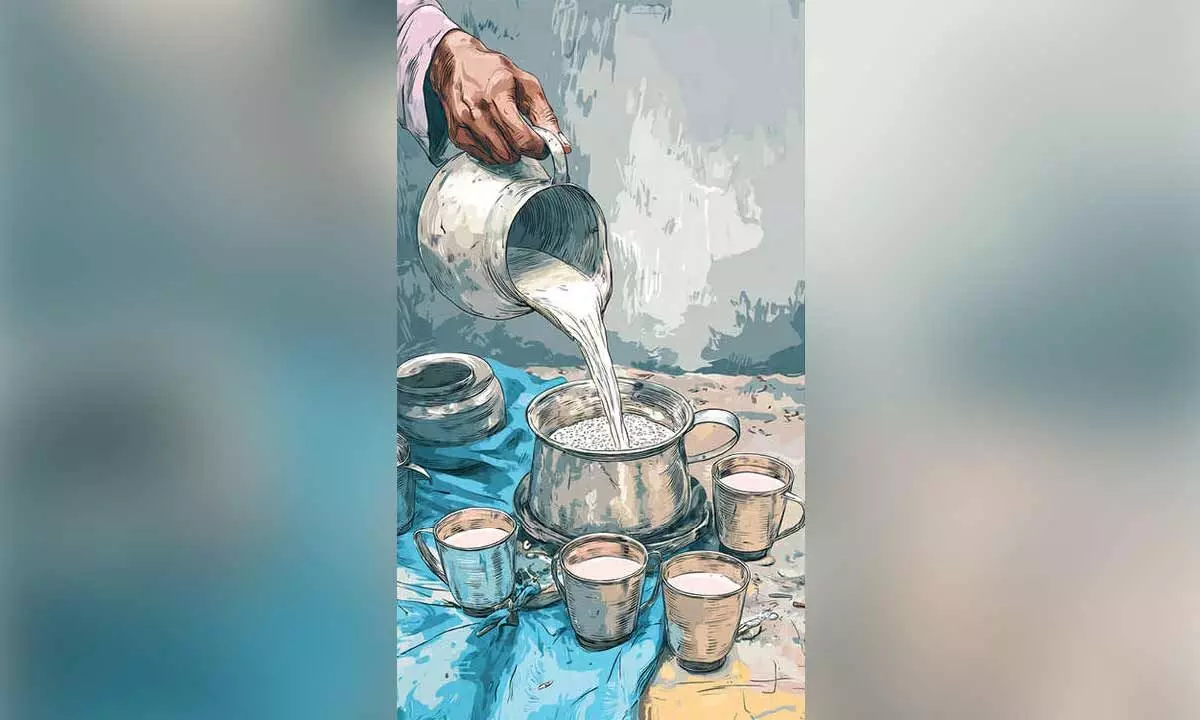
Tirupati: The suspected link between adulterated milk and the recent deaths of four persons in Rajamahendravaram has triggered a wave of caution across AP’s dairy-rich Rayalaseema region, with officials tightening checks in Tirupati and Chittoor districts.
Authorities say the tragedy has raised fresh concerns about synthetic milk entering regular supply chains, particularly through informal and cross-border routes. Tirupati and Chittoor, known for their strong dairy base after agriculture, witness heavy milk procurement for both domestic consumption and bulk supply to chilling centres and private dairies. The steady movement of milk across the Andhra Pradesh–Karnataka border has further heightened vigilance.
The alert follows recent enforcement action near Ballagiri in Karnataka, close to the Kuppam border, where officials reportedly uncovered a synthetic milk preparation unit. Three individuals — two from Santhipuram mandal and one from Ramakuppam mandal in Chittoor district — were allegedly found producing artificial milk by blending expired milk powder with palm oil, urea and water. Investigators said the mixture was designed to imitate the thickness and fat content of genuine milk before being circulated in local markets.
Food safety officials explained that adulteration often involves adding substances such as urea, starch, detergents, maltodextrin and vegetable fats to enhance whiteness and density.
Preservatives and neutralisers may also be used to prolong shelf life. In extreme cases, officers said, a single litre of pure milk can be stretched into two litres of synthetic product, significantly boosting illegal profits. Authorities also flagged the reported misuse of oxytocin injections in cattle in some areas to artificially increase milk yield.
Medical experts have warned that adulterated milk can have serious health consequences. The liver and kidneys are among the first organs affected, while children may experience vomiting, diarrhoea and digestive complications. Long-term exposure to chemically altered milk could lead to more severe complications, doctors cautioned.
Officials have urged consumers to be alert to basic warning signs. Nearly 90 percent of locally produced milk in the region is cow milk, which typically carries a slight yellowish tinge, whereas buffalo milk appears whiter.
If milk sold as cow milk looks unusually white or excessively thick, adulteration should be suspected. Changes in taste, smell or fat consistency are also considered red flags. Simple household tests, such as adding iodine drops to check for maltodextrin or observing the texture of heated milk when rubbed between fingers, may provide preliminary indications of tampering.
Testing facilities are available at the College of Dairy Technology in Tirupati, where milk samples can be examined scientifically. Officials have advised dairies, bulk purchasers and consumers to utilise these services and promptly report suspicious supplies, stressing that public cooperation will be vital to safeguarding the integrity of the dairy sector in the wake of the Rajamahendravaram incident.