Temple city to become world-class tourism destination

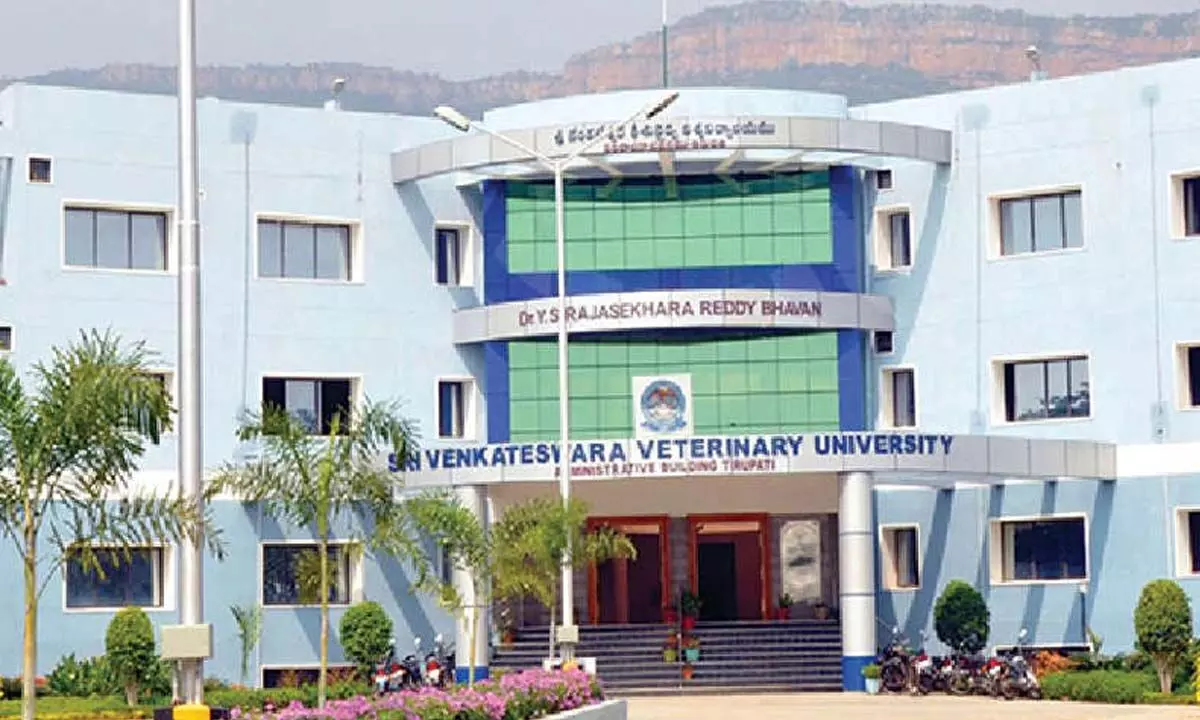
Tirupati: The state government has given top priority to Tirupati in the 2026–27 Budget, announcing a wide range of plans aimed at transforming the temple city into a world-class tourism destination. The Finance Minister announced that international-standard tourism infrastructure, including star hotels, entertainment centres and other modern facilities will be developed to attract visitors from across the world. At the same time, it has also proposed to promote homestays so that middle-class and budget tourists can find affordable accommodation alongside luxury travel options. As part of welfare and infrastructure measures, the government has decided to upgrade the ESI Hospital in Tirupati from the present 50-bed capacity to 100 beds, which is expected to provide advanced medical care to workers across the Rayalaseema region. A modern laboratory for detecting rabies will also be established at Sri Venkateswara Veterinary University.
In addition, authorities plan to provide modern facilities at theTirupati Rythu Bazaar under the public-private partnership model. The government has also reiterated its decision to develop Tirupati as a City Economic Region, a move that follows earlier progress made through the Settipalli land pooling initiative.
The Budget has also brought relief to handloom workers by allocating Rs 600 crore towards electricity subsidy for looms. Several areas such as Puttur, Nagari, Narayanavanam, Satyavedu, Srikalahasti and Venkatagiri have a large number of weavers, with around 3,500 handlooms and nearly 4,000 power-looms in operation. Under the new scheme, handlooms will receive up to 200 units of free electricity and power-looms up to 500 units, with the benefit set to come into force from April 1, helping nearly 8,000 loom operators in the district
In Irrigation sector, Handri–Neeva Sujala Sravanthi (HNSS) and Galeru–Nagari Sujala Sravanthi (GNSS) irrigation projects considered as lifelines for the erstwhile Chittoor district got substantial allocations in the budget. Last year, Rs 3,243.63 crore was sanctioned for the HNSS project, and an additional Rs 687.74 crore was spent by January. In the current budget, the government has allocated Rs 2,621.73 crore for the project.
With this funding, officials expect to complete key works in the next financial year, including the main canal and the Neeva sub-canal that will supply irrigation water to constituencies such as Pileru, Chandragiri, Puthalapattu, GD Nellore, and Chittoor, along with Pulicherla and Sodum mandals in Punganur.
The project is also expected to provide drinking water supply to Tirumala. Meanwhile, Rs 665.37 crore has been allocated for the GNSS project. The government has also earmarked Rs 63.50 crore for the Somasila–Swarnamukhi project and Rs 359.20 crore for Telugu Ganga works. These funds are sufficient only for the maintenance of the projects and pending works may not be taken up.
To protect the valuable red sanders forests in the Seshachalam hills, the government allocated Rs 292.76 crore to the anti-smuggling task force, though officials believe higher funding is needed to strengthen staffing, surveillance systems and equipment.
The Budget also announced a major push to develop Rayalaseema into a global horticulture hub with an allocation of Rs 30,000 crore, aiming to expand horticulture cultivation significantly by 2030 across the region, including Chittoor district.