Govt eyes bumper foodgrain output

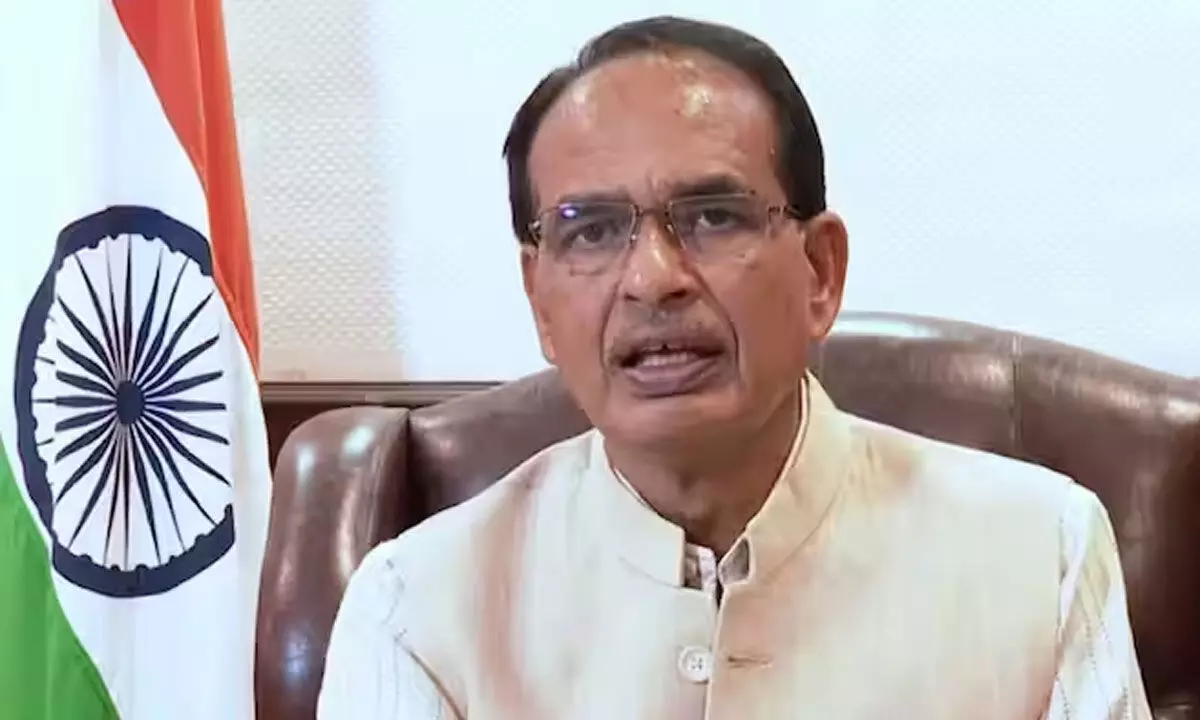
Chief Minister Shivraj Singh Chouhan
New Delhi: India is likely to achieve a new record in foodgrain production during the 2025-26 kharif season starting next month, buoyed by forecasts of above-normal monsoon rains, Agriculture Minister Shivraj Singh Chouhan said.
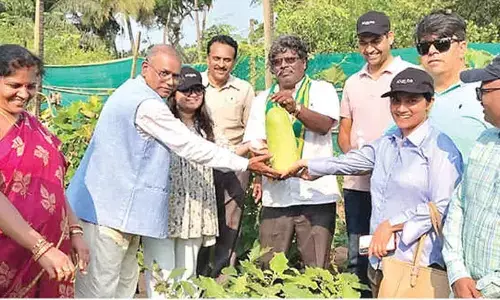
In an interview with PTI, Chouhan also called for stringent laws to curb the sale of fake and substandard pesticides, and better implementation of soil health cards to ensure balanced fertiliser use. The minister, who is leading a 15-day nationwide Viksit Krishi Abhiyan (Developed Agriculture Campaign) across the country, said the outreach programme ahead of kharif sowing would help refine policies and research plans to boost agricultural production.
According to the agriculture ministry’s third estimate, India’s foodgrain production hit a record 168.06 million tonnes in the 2024-25 kharif season. Kharif foodgrain output has risen 31.23 per cent since 2014-15.
During visits to 10 states so far, the minister said he learned from farmers that existing crop varieties in some areas have developed resistance to emerging pests. Farmers also raised concerns about fake pesticides and sought greater protection during price crashes. Research plans and policies for short, medium and long-term implementation will be developed based on these inputs, he said.
As farmers prepare their fields for kharif sowing, Chouhan said, farmers complained about substandard pesticides in the market. “We need to frame a stringent law to address this. Now they get away with paying some penalty. We should come out with a strict law to punish those engaged in selling poor/substandard pesticides,” he said.
On pulses and oilseed production, the minister said output has improved, but India still has far to go to achieve self-reliance and reduce import dependency. The government is working with a mission approach, distributing better quality seeds and educating farmers on best practices while ensuring procurement. These efforts will be intensified to address yield gaps, he added.