Taxi Insurance Online Comparison and Factors Affecting the Insurance Premium

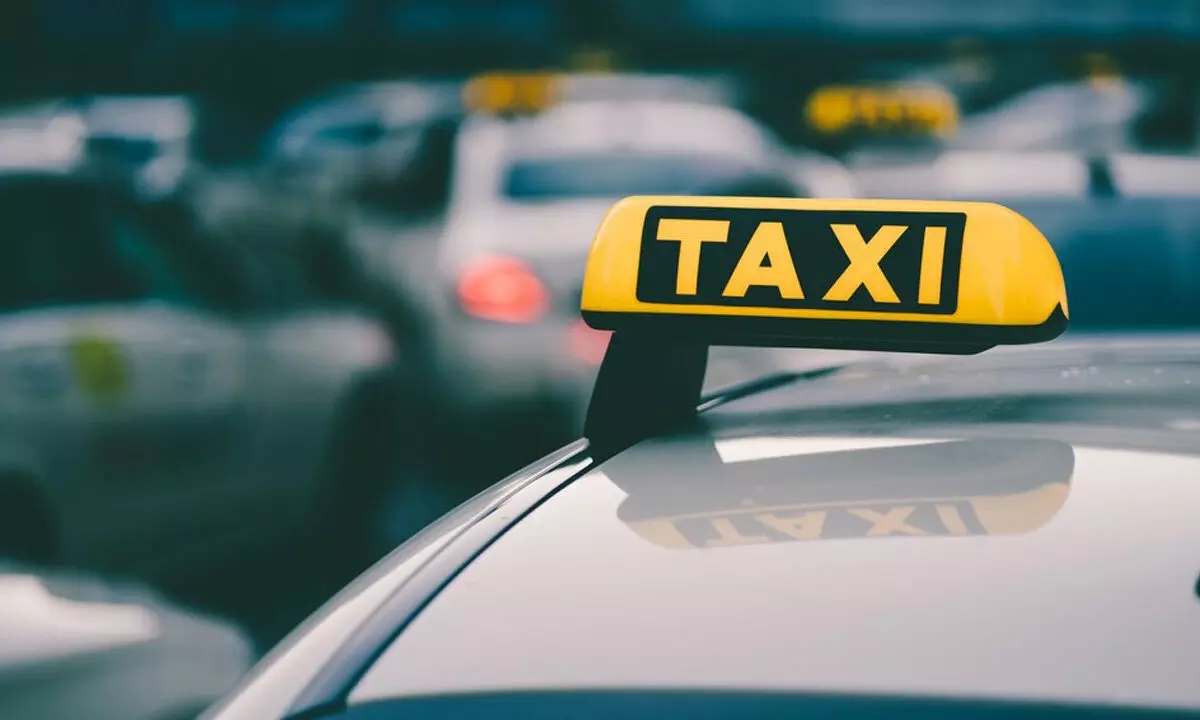
Taxis are one of the most common means of transportation in India, helping individuals commute short and long distances with ease.
Taxis are one of the most common means of transportation in India, helping individuals commute short and long distances with ease. Thus, insuring a taxi is essential to ensure the safety of passengers as well as the vehicle.
The Motor Vehicles Act of 1988 mandates that every taxi in India must have a third-party commercial vehicle insurance policy. However, for extensive coverage, you can opt for a comprehensive insurance policy.
To secure the right coverage according to your requirements, please follow these guidelines. Read on to learn the factors determining your insurance premium, compare the policies online, and follow the tips below to choose the proper coverage.
What are the Factors Affecting Your Taxi or Commercial Vehicle Insurance?
Several factors determine the cost of your taxi insurance premium in India. Knowing them will enable you to control your spending and make wise decisions:
1. Vehicle Type and Value
The premium amount of taxi insurance is directly influenced by the vehicle's make, model, age, and engine capacity. Additionally, the repair and replacement costs of new, high-capacity, and high-value vehicles are higher, resulting in higher premium charges.
2. Coverage and Add-ons
Third-party policies are cost-efficient, but they only cover third-party liabilities. On the other hand, comprehensive policies with several add-ons (such as zero depreciation or engine cover) are more expensive but offer extensive coverage.
3. Insured Declared Value (IDV)
IDV is the market value of your taxi at present and determines the highest claim you can make. A higher IDV results in a higher premium but provides significant compensation in the event of a total loss or theft.
4. Driver's Profile and Experience
Well-experienced drivers with a good driving record are viewed as lower risk and can be offered lower premiums. Alternatively, if a driver has been involved in several accidents or received multiple traffic tickets, insurers consider them to have a high-risk profile and charge a higher premium.
5. Location and Area of Operation
Taxis operating in urban cities or areas known for their accident-prone nature tend to attract higher premiums, as there is a greater risk of accidents, theft, or vandalism.
6. No Claim Bonus (NCB)
If you have not registered a claim in the last policy year, you get a No Claim Bonus, which can lower your premium substantially. Avoid raising claims for small repair costs to protect your No Claims Bonus (NCB).
7. Number of Drivers
Increasing the number of drivers on your taxi insurance policy raises the risk and the premium. Restricting the number of drivers or retaining those with good driving records can help save costs.
8. Security Features
Installing anti-theft devices, GPS tracking units, and dashcams can earn you discounts, as they reduce the likelihood of theft and facilitate claim settlements.
9. Policy Tenure and Payment Mode
Paying for a longer tenure policy or in an annual premium mode (as opposed to monthly) can sometimes offer you discounted premium rates.
Why is Taxi Insurance Necessary in India?
Taxi insurance is a type of commercial vehicle insurance that protects both the passenger and the vehicle against unforeseen mishaps. In India, each taxi must have a minimum third-party liability cover before it is legally allowed on the road. Such policies cover you against the financial burden of third-party damage, death, or loss due to your taxi.
Comprehensive taxi insurance takes it a step further, including damages to your own car from accidents, theft, fire, and natural or man-made disasters. With the high accident rates and severe legal fines for uninsured cars, taxi insurance is not a mere formality. It's a business requirement that protects you from potential financial losses.
How to Compare Taxi Insurance Online in India?
With the growth of online insurance platforms, buying and comparing taxi insurance online has become a convenient, transparent, and quick process. Follow these steps to compare policies online and make informed decisions:
1. Evaluate Your Coverage Requirements
Determine whether you require just third-party liability or a comprehensive policy with add-ons of your choice. Keep in mind the value of your taxi, the risks associated with its operation, and your personal insurance needs.
2. Use Reliable Insurance Comparison Platforms
Visit reputed insurance comparison websites or aggregator websites that host policies from numerous insurers. This provides a comprehensive overview of options, helping you identify the best commercial vehicle insurance policy for your specific needs.
3. Compare the Policy Features
Apart from the premium amount, you should also compare other factors like the following:
- Coverage benefits (third-party, personal accident, own damage, add-ons)
- Insured Declared Value (IDV)
- Available add-ons
- Discounts (security devices, multi-vehicle policies, NCB)
- Claim process and settlement ratio
- Network of cashless garages
4. Read the Policy Terms Carefully
You should carefully review the policy terms to check for exclusions, deductibles, and limitations. Know the inclusions and exclusions of policy coverage to stay away from surprises while making a claim.
5. Check Customer Reviews and Claim Settlement Records
A low premium does not always guarantee the best choice if the company has a bad claim settlement ratio. Look for insurers with a strong track record for handling claims efficiently and providing excellent customer service. Also, read testimonials of previous customers for a clear idea of the trustworthiness of your selected insurance provider.
6. Get Multiple Quotes
Enter your driver and taxi details correctly to get customised quotes. The more quotes you compare, the higher your chances of achieving the optimal balance between coverage and cost.
7. Buy and Renew Online
After selecting the best policy, you can purchase or renew it online instantly. Most websites have digital payment facilities and instant policy issuance, saving time and paperwork. Moreover, online renewal is often accompanied by discounts or cash back.
Taxi insurance in India safeguards your vehicle, business, and livelihood from risks. To optimise premiums, you should understand factors like vehicle type, coverage, driver experience, and location. Besides, using online comparison tools aids in finding the best policy.
Furthermore, you should prioritise insurers with strong claim records, maintain a clean driving history, and preserve your no claim bonus for lower premium costs.
(No Hans India Journalist was involved in creation of this content)