SC Steps In As Governors Misuse Powers

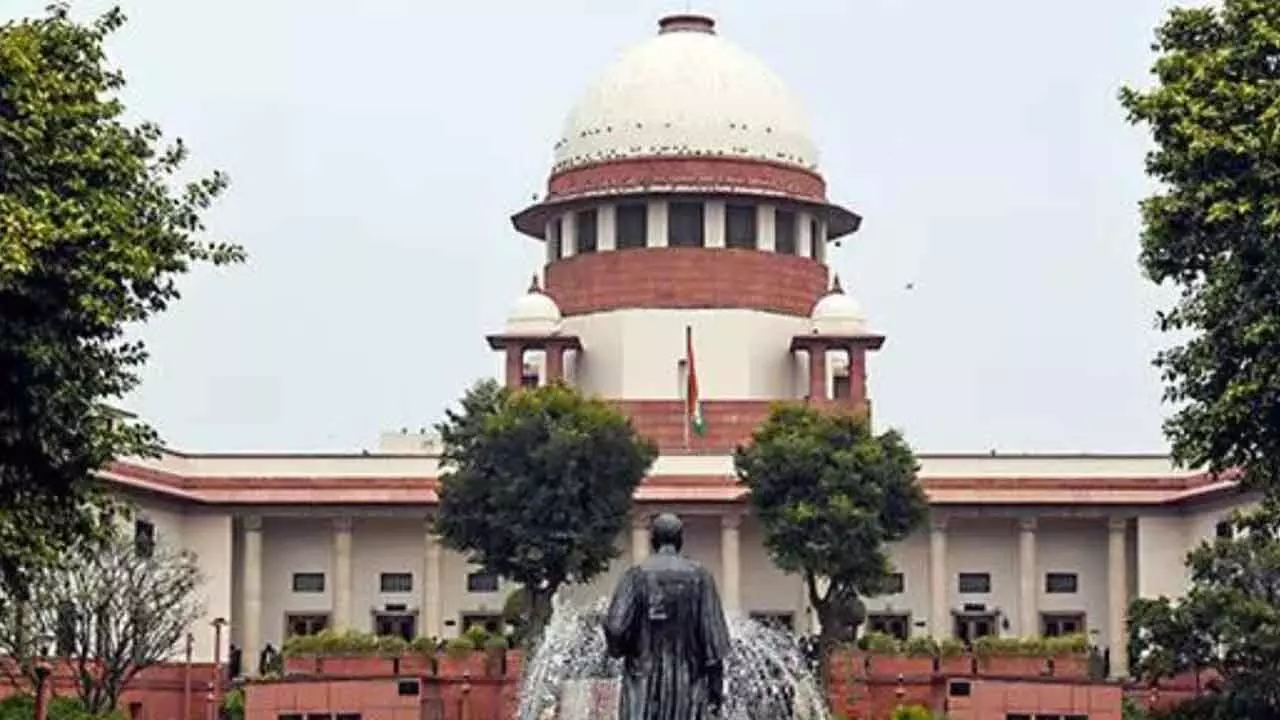
In a significant and much-needed intervention, the Supreme Court of India has publicly censured Tamil Nadu Governor R N Ravi for flouting constitutional conventions by indefinitely sitting on several bills passed by the Tamil Nadu state legislature. The Court’s sharp observation — that a Governor cannot effectively veto legislation through prolonged inaction — shines a spotlight on a troubling pattern that has taken root in recent years: the systematic misuse of the gubernatorial office to obstruct the functioning of elected state governments.
The Constitution of India, as envisioned by its framers, assigns the Governor a largely ceremonial role. While vested with certain formal powers, the Governor is expected to function on the aid and advice of the elected Council of Ministers. This principle is not merely a procedural nicety — it is foundational to India’s democratic federal structure. The Governor is not an elected representative of the people and is, therefore, not empowered to act as a political counterweight to the state government. Yet, this principle has come under repeated assault in recent times, especially in states governed by parties in opposition to the ruling party at the Centre.
Tamil Nadu now finds itself at the epicenter of this constitutional crisis. By choosing to withhold the assent on ten bills passed by the state legislature — some for over a year — without either returning them or providing any explanation, Governor Ravi has effectively paralysed legislative governance in the state. This behavior is not merely obstructionist; it is unconstitutional. The Supreme Court, in no uncertain terms, condemned this conduct, emphasizing that the Governor cannot remain a passive gatekeeper who stalls the democratic process by refusing to engage. The Court rightly asserted that the Governor must act — either by granting assent, returning the bill with recommendations, or referring it to the President — but cannot simply do nothing.
This disturbing episode in Tamil Nadu is not an isolated one. Similar standoffs have occurred in Kerala, West Bengal, Punjab, and Delhi, where Governors or Lieutenant Governors have clashed with the elected governments over matters ranging from appointments to policy decisions.
Such practices represent a dangerous drift toward centralisation, undermining the federal balance that is essential to the Indian polity. The Governor’s office, originally intended to act as a neutral constitutional authority, should not be repurposed as an instrument of partisan interference. When Governors overstep their mandate and disregard the will of the people expressed through their elected representatives, they erode public trust in democratic institutions and processes.
The Supreme Court’s admonition should therefore be read not merely as a rebuke to Governor Ravi but as a broader caution against the encroachment of the Centre into the domain of state autonomy. This verdict reaffirms the basic structure of the Constitution — particularly the principles of federalism, accountability, and representative democracy.
It is high time that the role of Governors is revisited. While constitutional amendments may not be immediately forthcoming, at the very least, there must be political consensus and moral clarity on what Governors can and cannot do. The abuse of discretionary powers for political purposes must be checked through institutional safeguards and greater transparency.
Until such a course correction occurs, the responsibility to protect India’s federal integrity will continue to rest with the judiciary and vigilant civil society. With its clear and forceful intervention, the Supreme Court has played its part. It is now incumbent upon the political class — across party lines — to ensure that the Governor’s office is restored to its rightful constitutional role: that of a dignified constitutional sentinel, not a disruptive political agent.