Cow legacy worth preserving

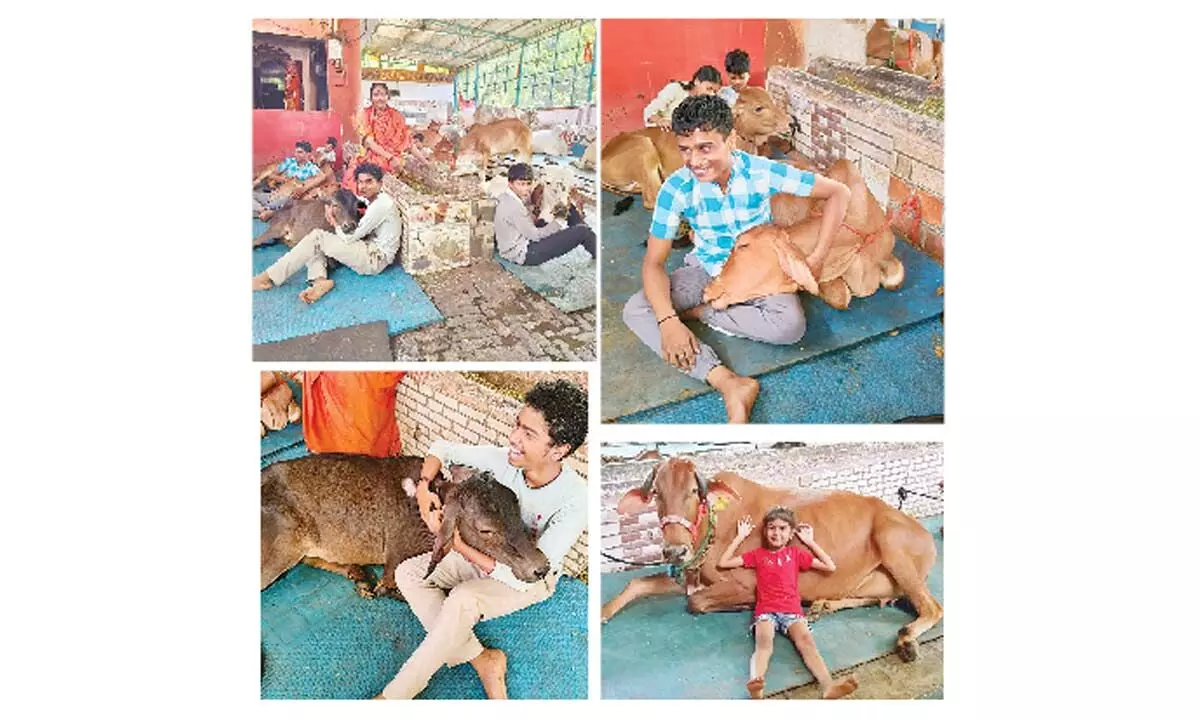
Bharat’s relationship with the cow is civilisational, cultural, ecological, and economic. The cow is a symbol of abundance, sustainability, and spirituality. This veneration is rooted in faith but is deeply intertwined in agrarian lifestyle, health traditions, and ecological balance. Bharatiya cow breeds with distinct traits and adaptability, are a reflection of centuries of selective breeding based on climatic conditions, geography, and community needs.
Why Protect our Cow Breeds?
There are more than 51 recognised indigenous cow breeds like Gir, Sahiwal, Tharparkar, Ongole, Kankrej, Hallikar, and Red Sindhi, among others. These breeds are uniquely suited to local climatic conditions and possess high immunity to tropical diseases. Unlike exotic breeds, Bharatiya breeds are low-maintenance, drought-resistant, and require less feed, making them ideal for small and marginal farmers.
In 2023–24, Bharat has exported cow dung products worth ₹386 crore, including fresh dung (₹125 crore), fertilizers (₹173.67 crore), and compost manure (₹88.02 crore), driven by rising global demand for organic farming. Key importers include the U.S., Maldives, Singapore, China, and Gulf nations. Cow dung enhances soil fertility and supports sustainable agriculture. Additionally, indigenous cattle breeds are in demand abroad for their resilience. Embryos of the Kankrej breed earned ₹2 crore in exports to Brazil, while an Ongole breed bull was sold for a record ₹40 crore, highlighting the global value of Bharat’s indigenous cattle genetics.
There is an enormous contribution of cows to all beings on the planet, for instance, the Amrit Mahal is a distinguished draught cattle breed from Karnataka, renowned for its exceptional strength, endurance, and historical significance. In the 16th century under the Mysore rulers, it was initially used for supply of milk. Later adapted for military logistics which was utilised as bullocks for rapid artillery movement. The breed’s resilience made it invaluable for transporting heavy loads across challenging terrains.
To preserve this vital genetic resource, the Mysore administration established dedicated grazing lands known as “Amrit Mahal Kavals.” These pastures were managed by a specialised department focused on maintaining and improving the breed’s quality.
Native contribution extends beyond agriculture to include livelihood generation, natural resource management, and climate resilience. These hardy breeds thrive in high temperatures and water-scarce, rugged terrains, making them ideal for climate-adaptive rural development. The A2 milk contains beta-casein protein, which is easier to digest and offers greater health benefits than the A1 milk from exotic breeds. Their dung and urine serve as natural fertilizers, integral to organic farming, Panchagavya, and traditional Ayurvedic medicine. Economically, they support dairy, draught power, manure-based enterprises, and byproducts like biogas. Culturally, cows symbolise ahimsa (non-violence) and seva (service), and remain central to festivals, rituals, and folklore. Protecting native breeds preserves biodiversity and also enhances rural livelihoods and ensures sustainable cow-based economies.
Human-Cow bonding in Bharatiyatha
Cow was never perceived as a milk production being, it was of the family, offering emotional and spiritual support. From birth rituals to festivals like Govardhan Puja and Pongal, the cow is honoured as Gau Mata, a sacred mother figure. For centuries, cows have been integral to sustainable agriculture, transportation, and village economy.
Grazing practices, cowherd traditions, and songs in local languages reflect the symbiotic relationship between humans and cows. This connection has shaped community values of compassion, sustainability, and coexistence with nature.
Need for DNA Preservation of Native Breeds
With increasing threats from indiscriminate crossbreeding and declining population of pure native breeds, it is critical to preserve the genetics of indigenous cows through DNA mapping and cryogenic storage of semen and embryos.
DNA preservation is crucial for:
l Retaining genetic purity and diversity.
l Ensuring availability for future breeding.
l Research on medicinal and nutritional benefits of native cows.
l Creating a bio-resource bank for endangered breeds.
Establishing breed-specific DNA libraries and genome sequencing projects will help conserve the country’s unique bovine wealth.
Crisis of Crossbreeding
The Green Revolution and the push for higher milk yields led to the widespread crossbreeding of Bharatiya cows with exotic breeds like Jersey and Holstein Friesian. While these crossbreeds initially provided more milk, they came with several issues:
l Low disease resistance in climate.
l High maintenance and feed costs.
l Loss of fertility and shorter productive lifespan.
l Decline in native breed population due to genetic dilution.
l Dependency on foreign genetics and semen imports.
This has led to a serious crisis where many indigenous breeds are now under threat of extinction. The overemphasis on quantity has overshadowed quality, sustainability, and biodiversity.
Protecting Bharatiya cow heritage is about preserving a way of life, a sustainable ecosystem, and a unique genetic legacy. Promoting native breeds, supporting organic cattle farming, establishing breed sanctuaries, and spreading awareness about the virtues of desi cows are vital for ensuring that the next generations inherit this invaluable heritage.
In essence, preserving cow heritage is preserving Bharat’s soul, where tradition and nature coalesce in harmony.
(The writer is an Expert, Creative Economy)