Guru Dutt: A fine specimen of introspective artistry

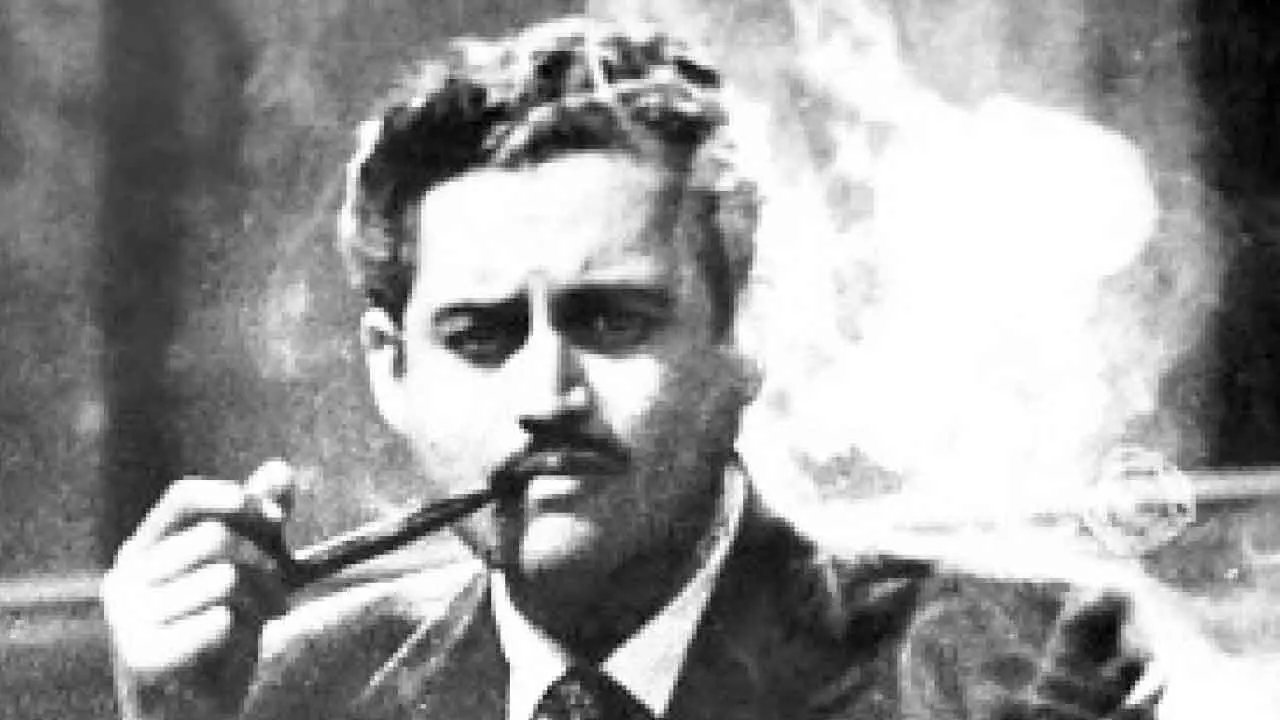
As India commemorates the 100th birth anniversary of Guru Dutt in 2025, the spotlight returns to one of the most enigmatic and influential figures in Indian cinema. Born on July 9, 1925, Guru Dutt’s legacy transcends time, genre, and geography. His films were not just entertainment—they were poetic reflections on the human condition, marked by emotional depth, visual innovation, and philosophical introspection.
Guru Dutt’s cinematic journey, though tragically brief, was revolutionary. Films like Pyaasa (1957), Kaagaz Ke Phool (1959), and Sahib Bibi Aur Ghulam (1962) explored themes of alienation, artistic struggle, and societal decay with a sensitivity rarely seen in mainstream cinema. His protagonists—often misunderstood poets or disillusioned dreamers—mirrored the existential angst of a newly independent nation grappling with identity and modernity.
Technically, Dutt was a pioneer. His collaboration with cinematographer V.K. Murthy introduced dramatic lighting and expressive framing that gave his films a noir-like intensity. His use of CinemaScope in Kaagaz Ke Phool was a bold experiment in visual storytelling, decades ahead of its time.
Equally powerful was his musical sensibility. Songs like “Yeh Duniya Agar Mil Bhi Jaaye” and “Waqt Ne Kiya Kya Haseen Sitam” remain cultural touchstones, blending lyrical melancholy with haunting melodies that continue to resonate.
In today’s era of spectacle-driven cinema, Guru Dutt’s introspective artistry offers a counterpoint—a reminder that film can be both personal and profound. His influence is visible in the works of auteurs like Satyajit Ray, Mani Ratnam, and Anurag Kashyap, and his films are now studied globally for their emotional and aesthetic richness.
As retrospectives, exhibitions, and digital restorations mark his centenary, Guru Dutt’s voice echoes louder than ever. He was not just a filmmaker—he was a philosopher of the screen, a poet of shadows, and a visionary who saw cinema as a mirror to the soul.
Amarjeet Kumar,
Hazaribagh