Smart, space-saving, and culturally rooted

How furniture trends reflect a city in transition
As Hyderabad evolves into a thriving urban centre, its furniture and home décor landscape is undergoing a transformation that mirrors the city’s changing identity. Driven by rising incomes, younger demographics, and rapid urbanization, the demand for stylish yet functional home furnishings is reshaping both what people buy and how they shop.
One of the most visible trends is the surge in space-saving and multifunctional furniture, especially in densely populated areas like Gachibowli, Manikonda, and Kukatpally. With apartment sizes shrinking by nearly 7% in the past four years, according to a recent Knight Frank India report, residents are now seeking compact solutions that maximize space. Foldable dining tables, storage beds, and modular sofas have become staples in many homes. Retailers in the city note that nearly half of their sales now come from furniture designed specifically for smaller urban dwellings.
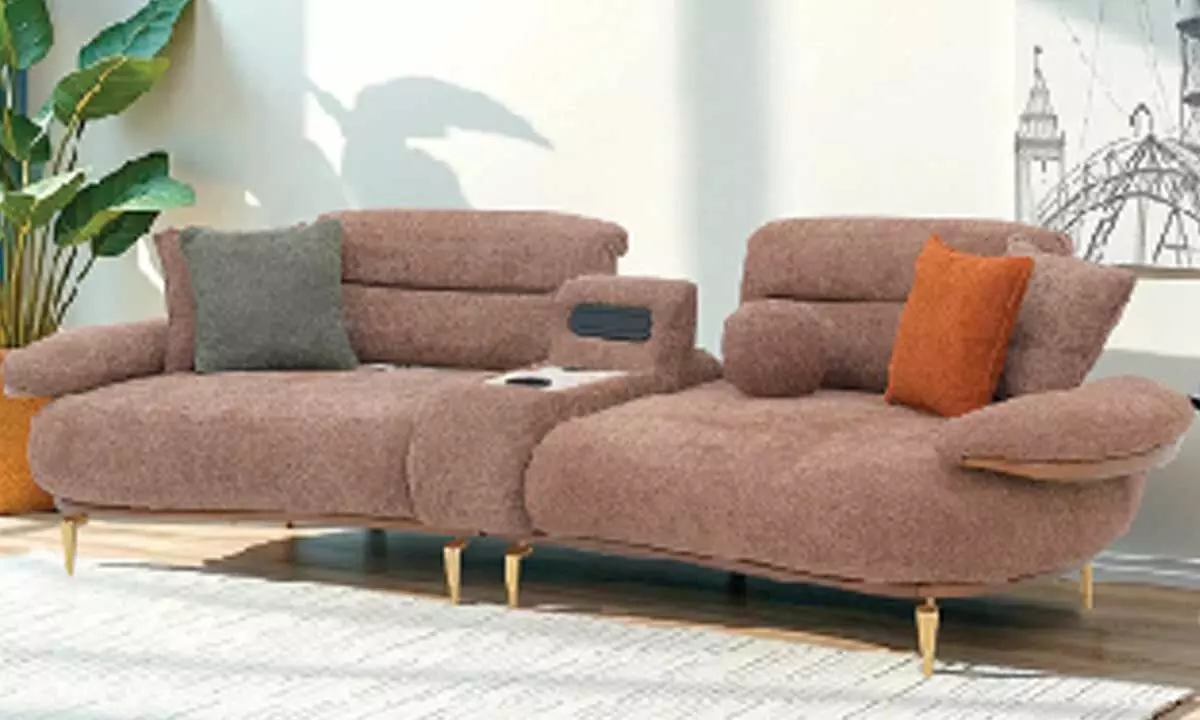
Simultaneously, Hyderabad’s growing tech influence is being felt in its living rooms. The city’s young professionals and startup crowd are showing increased interest in tech-integrated furniture—from recliners with USB ports to coffee tables with mini-fridges. Local retailers confirm a steady 25% rise in demand for such smart features, highlighting a shift towards furniture that blends comfort with digital convenience. Tech-savvy buyers are seeking more than just furniture—they want integrated experiences according to Royaloak Furniture and they have seen a 25% increase in demand for smart features over the last year.
Yet even as modern design gains ground, traditional aesthetics are far from forgotten. Hyderabad’s furniture scene reflects a thoughtful fusion of Scandinavian minimalism and Indian heritage. Homes often balance muted palettes and clean lines with brass accents, carved woodwork, or handloom upholstery—showcasing a desire to preserve cultural roots while embracing global trends. Another evolving aspect is the shopping experience itself. While e-commerce continues to thrive—accounting for roughly 30% of furniture sales—physical stores are regaining importance, especially for tactile purchases like sofas or mattresses. Customers increasingly want to feel the fabric, test comfort levels, and engage with personalized service before making a decision. This has led many retailers to redesign showrooms to provide more immersive, lifestyle-focused experiences.
In response to these shifts, local furniture brands are adapting quickly, curating collections that are both globally inspired and locally relevant. This includes everything from durable upholstery suited to Hyderabad’s weather to seating that caters to traditional Indian posture preferences. Co-living spaces and nuclear families are also influencing the design of modular storage units, stackable furniture, and ergonomic home-office setups. Brands like Royaloak have introduced multifunctional smart furniture that transitions smoothly from work mode to leisure, catering perfectly to the evolving needs of modern professionals.
The rise of remote work has further accelerated the demand for functional home office furniture, with an emphasis on productivity and comfort. Ergonomic chairs, space-saving workstations, and dual-purpose furniture now feature prominently in urban home setups.
In essence, Hyderabad’s furniture trends reflect a city navigating its way through modern urbanism without losing sight of its cultural identity. The choices people make for their homes—be it smart lighting in wardrobes or hand-carved wooden cabinets—tell a larger story of a metropolis where heritage and innovation coexist. As this evolution continues, furniture in Hyderabad is becoming less about mere utility and more about creating spaces that are adaptive, expressive, and deeply personal.