Ramayana Kalpavrksam returns with a grand celebration of dance, music and devotion

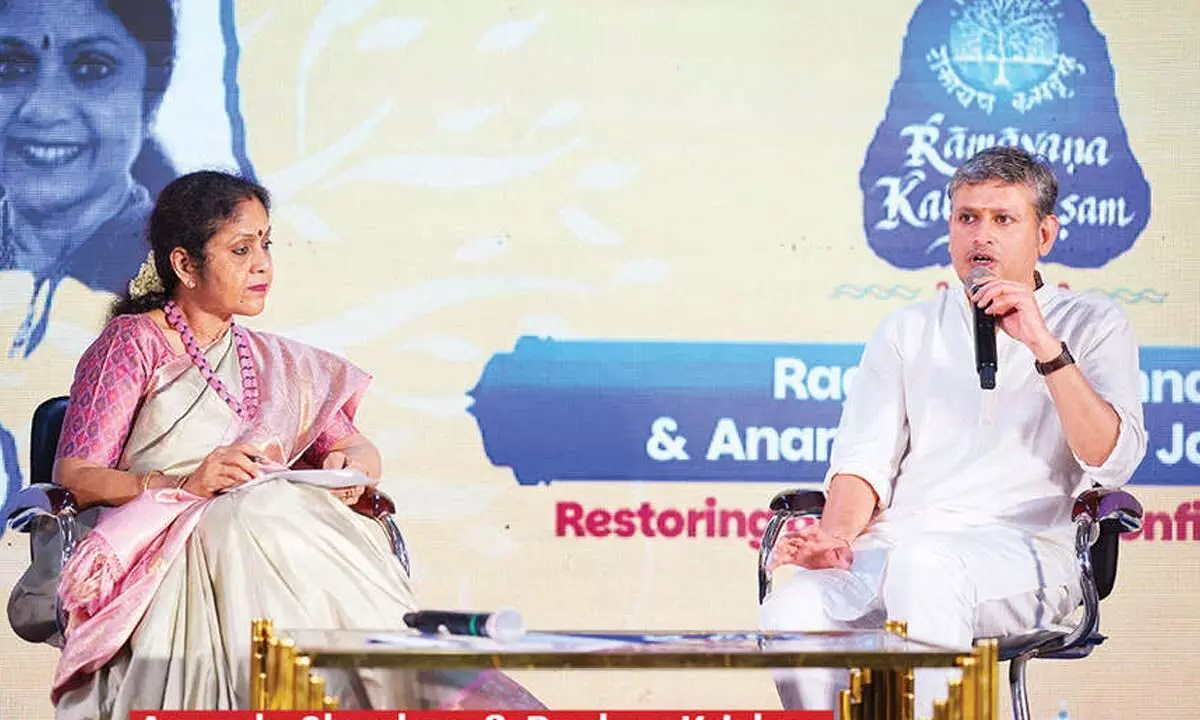
The fourth edition of ‘Ramayana Kalpavrksam,’ presented by Shankarananda Kalakshetra and Natyarambha, celebrated India’s epic heritage through a rich confluence of dance, music, and dialogue. Held at CCRT, Madhapur, the three-day festival offered audiences an immersive journey into the Ramayana through performances, talks, and interactive sessions. Conceived and curated by Padma Shri Dr. Ananda Shankar Jayant, the annual event continues to be a highlight of Hyderabad’s cultural calendar
The fourth edition of ‘Ramayana Kalpavrksam,’ presented by Shankarananda Kalakshetra and Natyarambha, featured a galaxy of performances, talks, and interactive sessions. CCRT, Madhapur, was the venue for the three-day event (January 30th–February 1st, 2026). Always attended by an overflowing audience, the yearly event, conceived and curated by Padma Shri Dr. Ananda Shankar Jayant, has become an eagerly awaited star attraction in the cultural landscape of Hyderabad.
After the inauguration on the first day by Dr. Sandhya Purecha, Chairperson of the Sangeet Natak Akademi, the evening featured a poignant Odissi duet titled ‘Seeta Haran’, presented by Dr. Sujata Mohapatra and her daughter Preetisha. Sujata wore a green costume with blue borders, while Preetisha wore the same colours in reverse. Debiprasad Mishra’s lighting effects created a tracery of lights moving in incandescent columns across the stage like glowing pillars, enveloping the artistes. The duo’s synergy was in full play as they alternated in the role of Ravana, which was the highlighted sequence of the piece. As he abducts Sita, who is persuaded to step over the threshold of safety, the valiantly loyal Jatayu tries to rescue her. After a striking duel, the great eagle is defeated. Bleeding and torn, Jatayu expires in Rama’s lap. Exquisite abhinaya was displayed throughout.
Next came Sandeep Narayan’s Carnatic vocal concert, balancing classical rigour with contemporary sensibility and receiving exceptional audience recognition. Producing rapture, the swara alaap of Kambhoji was melodiously interpreted. Immersive Rama rasa was fully appreciated in the various other compositions in different ragas and languages, some requested by aficionados of the exceedingly popular singer.
Day two began at dawn with a deeply absorbing pravachanam on Sita Rama Kalyanam by the famous Chaganti Koteswara Rao. The divine marriage was described as the sacred union of Dharma and Shakti. He explained that Sita was central to the Avatar’s unfolding to achieve the destruction of Ravana. A thought-provoking dialogue between Dr. Ananda Shankar and Raghava Krishna of BRHAT explored the role of the arts in reclaiming India’s civilisation in a contemporary context. Dharma, truth, and art are inseparable, and knowledge elevates consciousness. Dr. Mohan Raghavan examined the Ramayana experience with regard to technology, while critiquing colonial interpretations of Indic texts.
Charusmitha Rao and Shivaranjani Harish presented ‘Navarasa through the Ramayana’, interspersing Bharatanatyam with design and storytelling. The evening was exciting with the mesmerising puppet-style dance drama ‘The Ramayana’ by Rangasri Little Ballet Theatre, Bhopal, where human puppets glided as though controlled by unseen strings. Entertainingly vibrant folk music by Bhungar Khan and the Manganiyar group Dharohar from Barmer, Rajasthan, with fast pacing and beats, energised the spectators at the day’s conclusion.
The final day of the festival opened with Chaganti Koteswara Rao’s discourse on Hanumat Darshanam. Hanuman’s strength, devotion, and importance were extolled using the metaphor of the connecting knot of flowers in a garland, symbolising him as the link between Rama and Sita during and after their separation. Historian T. S. Krishnan delivered a talk drawing on his extensive research on South Indian temples, inscriptions, and literature, reflecting on the importance of awareness in shaping narratives. Rekha Achyutuni spoke about Dharmic parenting, noting that while modern education may lead to success, true happiness lies in Indian traditional approaches that nurture grounded and timeless Bharatiya values. An engaging and interactive quiz session followed, reinforcing key Ramayana themes.
As evening approached, Shrinivasa Varakhedi, Vice-Chancellor of the Central Sanskrit University, delivered a scholarly address on the epic’s ethical framework and its continued relevance today. The festival concluded exuberantly on a high note with a classical fusion concert led by music producer Mahesh Raghavan. Tradition was reimagined in Carnatic music tailored to contemporary tastes while staying rooted in heritage. The medley of blended vocals and instruments was a spectacular finale, heartily enjoyed by the huge audience, who expressed their admiration with tremendous applause.
Also set up were a host of Kala Grama artisanal stalls with local merchandise, including a Ramayana Dolls display, which was eye-catching and thronged with customers.