Effective way to help students manage stress, improve focus

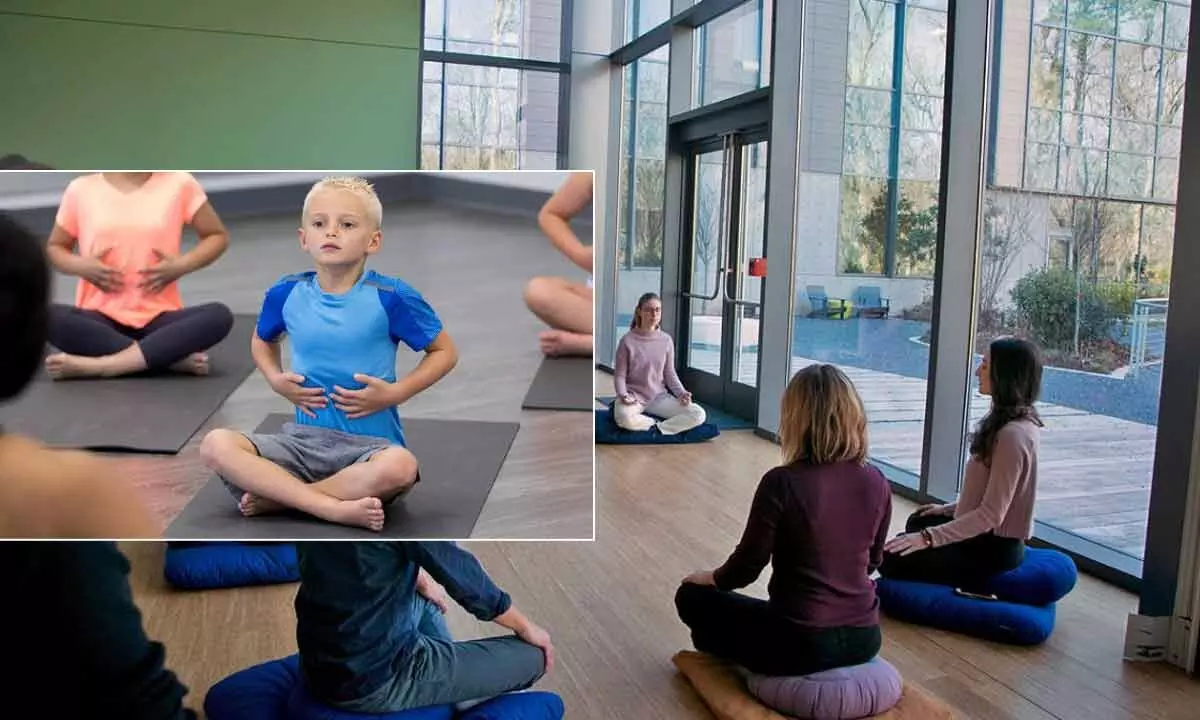
In today’s fast-paced academic environment, students face increasing pressure from exams, social expectations, extracurricular commitments and digital distractions. Encouraging mindfulness through meditation has emerged as an effective way to help students manage stress, improve focus and enhance overall well-being.
Mindfulness is the practice of being fully present and aware of the current moment without judgment. For students, this means learning to concentrate on their studies, recognise their emotions and respond thoughtfully rather than react impulsively. Meditation serves as a practical tool to cultivate this awareness. Even a few minutes of guided breathing or silent reflection each day can significantly improve mental clarity and emotional balance.
Research shows that regular meditation enhances attention span and memory retention—two critical components of academic success. When students practice mindfulness, they are better able to concentrate during lectures, absorb information more effectively and perform with greater confidence during examinations. It also reduces anxiety, which often interferes with learning and performance.
Beyond academics, mindfulness supports emotional resilience. Adolescence and early adulthood are periods of rapid change, and students often struggle with self-doubt, peer pressure and uncertainty about the future. Meditation encourages self-awareness, helping students recognise negative thought patterns and replace them with constructive perspectives. This practice can reduce feelings of overwhelm and promote a calmer, more positive mindset.
Schools and colleges can foster mindfulness by integrating short meditation sessions into the daily schedule. Morning assemblies, classroom breaks or dedicated wellness periods can include simple breathing exercises or guided visualisations. Teachers trained in basic mindfulness techniques can model calm behaviour and create supportive learning environments. Additionally, institutions can organise workshops or invite trained meditation practitioners to conduct sessions for students.
Parents also play an important role in encouraging mindfulness at home. Creating a quiet space for reflection, limiting excessive screen time and practicing meditation together as a family can reinforce its benefits. When mindfulness becomes part of daily routine rather than a special activity, students are more likely to sustain the habit.
Importantly, meditation does not require elaborate rituals or long hours. Simple techniques such as focusing on the breath, repeating positive affirmations or observing thoughts without judgment are accessible to students of all ages. Over time, consistent practice can strengthen emotional regulation, improve interpersonal relationships and build greater self-confidence.
Encouraging mindfulness through meditation equips students with lifelong skills. By nurturing focus, resilience and inner calm, educational institutions and families can help young learners thrive academically and personally in an increasingly demanding world.