CBSE’s two-board exam policy: A step towards fairer and flexible assessments

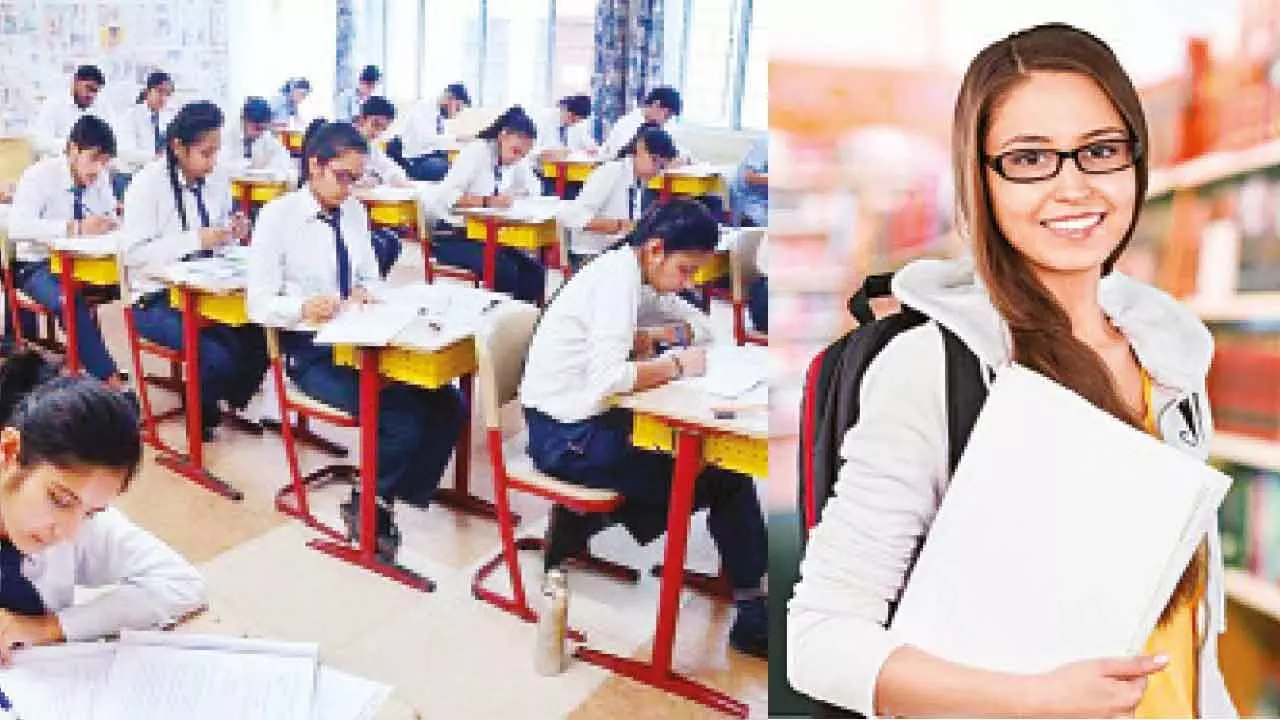
A flexible, student-centric model gives Class X learners two opportunities to improve scores, aligning with NEP 2020 goals
In a landmark move aligned with the National Education Policy (NEP) 2020, the Central Board of Secondary Education (CBSE) has introduced a two-board exam policy for Class X students, starting from the academic year 2025-26. This shift reflects a growing consensus in India’s education system: high-stakes, one-time exams are no longer the only way to evaluate a student’s academic performance.
The new system allows students to appear for the board exams twice in a year once as the main attempt and once as an improvement attempt bringing India closer to global best practices and offering a more student-centric, equitable, and flexible assessment model.
A breakdown of the new exam structure
Under the updated policy, students will take the main board exam in mid-February, covering the full syllabus. If they wish to improve their performance, they can opt to reappear for one or more subjects during a second exam scheduled for May. This second attempt is optional and selective—students can choose to appear for improvement in a maximum of three core subjects. Internal assessments, however, will be conducted only once before the main examination and are not repeated for the second attempt. Importantly, the exam pattern and syllabus will remain consistent across both phases.
Eligibility and scope
The first examination (Phase 1) is mandatory for all fresh Class X students and also open to previous years’ repeaters, compartment, and improvement candidates. The second exam (Phase 2) will be available only to those who appeared for the first phase and fall under eligible categories such as improvement, compartment, or those granted special permissions including sports persons whose events clash with the first exam, or winter-bound schools. However, a key exclusion exists: students who are absent in three or more subjects in the first exam will be marked as ‘Essential Repeat’ and will not be eligible to appear for the second exam.
Two separate Lists of Candidates (LOCs) must be prepared, one for each phase. The first is mandatory, while the second can include only existing candidates from Phase 1. No fresh entries or subject changes are permitted unless explicitly allowed by policy.
NEP 2020 alignment
This policy is a clear implementation of NEP 2020’s vision outlined in Paragraphs 4.37 and 4.38. The policy calls for reducing exam pressure through modular and flexible assessments and recommends allowing students multiple opportunities to perform. The two-exam model moves away from the one-size-fits-all approach of previous years and embraces a learner-first mindset.
By offering students a second chance to improve scores without repeating an academic year, this system helps de-stigmatize failure and encourages reflection, resilience, and continual learning.
Student benefits: Performance without pressure
The two-board exam system gives students the rare but vital chance to redeem themselves without academic penalty. If a student underperforms in the first attempt due to illness, anxiety, or other reasons they have a built-in opportunity to recover.
This not only reduces the pressure associated with a single high-stakes exam but also nurtures a growth mindset. It allows students to treat the first attempt as a diagnostic experience and return better prepared, emotionally and academically, for a second chance. In the final result, only the better score between the two attempts will be considered a thoughtful step to ensure fairness.
Implementation challenges: A shared responsibility
While the intent is noble, the transition comes with logistical hurdles for schools, teachers, and the board itself.
♦ For Schools: Managing two full-fledged rounds of board exams within a four-month span increases administrative complexity. Schools must maintain two sets of LOCs, duplicate exam centre arrangements, and manage invigilation and staff deployment often during holidays or the start of a new academic year.
♦ For Teachers: Balancing regular classes with preparation for the improvement exam means extended responsibilities. Teachers will also need to guide students and parents through result interpretations, eligibility rules, and their implications for college admissions.
♦ For Students: Though student-focused, the policy may inadvertently create added pressure. Some students may feel compelled to reappear even when their initial scores are satisfactory, extending academic anxiety over a longer period.
♦ For the Board: Conducting two rounds of national exams requires significant operational planning and budgeting. From printing question papers to managing supervision and logistics, the resource burden is likely to double.
A progressive step forward
Despite the challenges, the CBSE’s new two-exam system marks a major shift towards more compassionate and learner-friendly education in India. It recognizes that students deserve multiple opportunities to demonstrate their abilities and that learning is not a one-time event but a continuous journey. If implemented thoughtfully with adequate support systems in place, this move could reshape board exams in India from a source of anxiety to a platform for reflection, resilience, and reform.
(The author is Principal-New Town, Orchids The International School)