How to handle exam while preparing for sports competitions

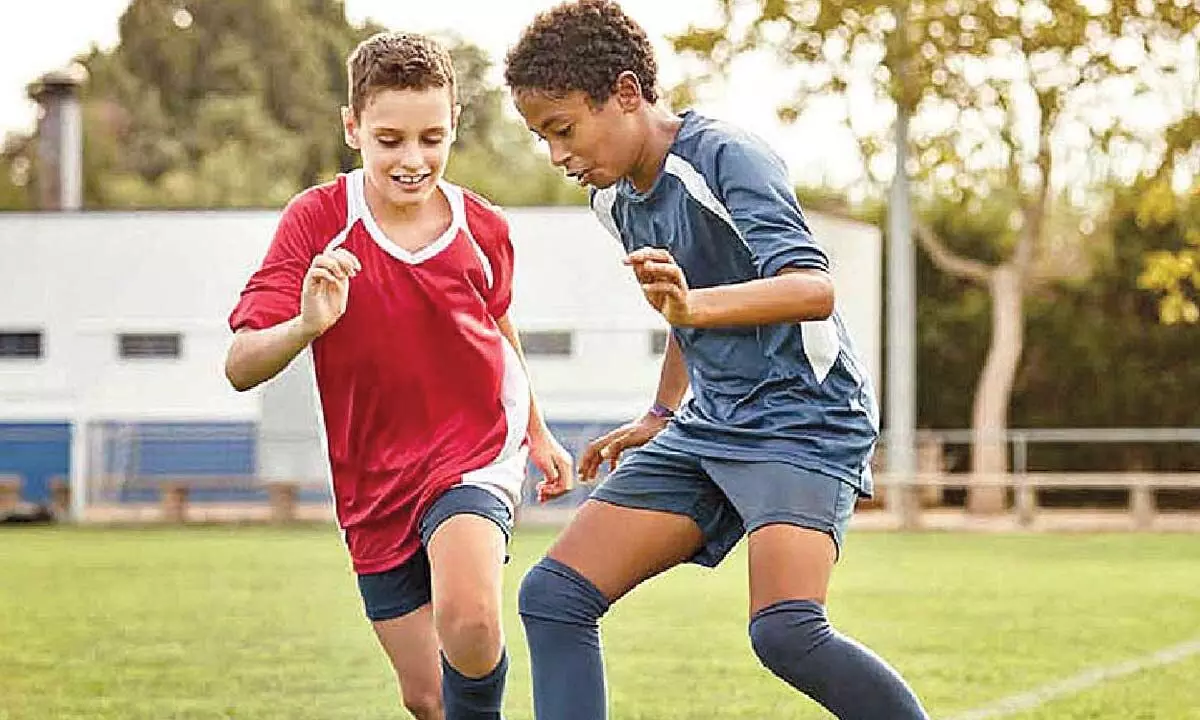
For student-athletes, exam season often overlaps with crucial sports competitions, turning daily life into a demanding test of endurance, focus, and discipline. Managing academics and athletics simultaneously is not just about time management—it requires mental resilience, smart planning, and self-care. While textbooks demand concentration and consistency, the training ground calls for physical strength and strategic preparation. This article explores practical strategies to help student-athletes navigate this high-pressure phase without compromising either pursuit. With the right mindset, structure, and support, students can excel in both classrooms and competitions, proving that academic success and sporting excellence can go hand in hand
For student-athletes, juggling exam preparation alongside sports competitions can feel like running two high-stakes races at once. One demands physical stamina, discipline, and teamwork, while the other requires mental focus, memory, and consistent effort. When both peak at the same time, the pressure can be intense. However, with thoughtful planning and a balanced approach, it is possible not only to survive but to succeed in both arenas.
Recognize that both are important
It is easy to feel torn between the classroom and the playing field, especially when deadlines and tournaments collide. Some students may feel guilty for studying instead of training, while others worry about missing revision sessions due to matches. The key is to understand that both academics and sports play vital roles in personal development. Academics sharpen critical thinking and knowledge, while sports build discipline, resilience, teamwork, and leadership. Their importance may shift depending on immediate priorities, but neither should be dismissed. Accepting this balance reduces stress and helps maintain a healthier mindset.
Create an intelligent timetable—and stick to it
Time management is the backbone of balancing exams and sports. An unstructured approach often leads to exhaustion and inefficiency. Creating a realistic schedule that includes study time, training sessions, rest, and meals can make a significant difference. Instead of long, draining sessions, focus on short, consistent “micro-sessions.” A 20-minute revision between drills or a brief stretching routine after studying can be surprisingly effective. Consistency often outperforms last-minute cramming or overtraining.
Integrate academic preparation with mental conditioning
Sports train the mind as much as the body. Techniques such as visualization, deep breathing, and mindfulness—commonly used in athletics—can be powerful tools during exam preparation. The mental toughness developed on the field can help students stay calm under exam pressure, manage anxiety, and maintain focus. Viewing academics and sports as complementary rather than competing pursuits allows students to use strengths from one area to support the other.
Communicate with teachers and coaches
Student-athletes do not have to manage this balancing act alone. Open communication with teachers and coaches is essential. Informing teachers about upcoming competitions and letting coaches know about exam schedules can lead to understanding, flexibility, or helpful guidance. Often, small adjustments—such as extended deadlines or modified training loads—can significantly reduce stress and improve performance. Silence, on the other hand, can create unnecessary pressure.
Rest and nutrition are non-negotiable
During exam season and competition time, students may be tempted to sacrifice sleep, skip meals, or rely on caffeine to push through. While this may seem effective in the short term, it often leads to burnout, injuries, and reduced concentration. Proper nutrition, hydration, and at least seven to eight hours of sleep are essential for memory retention and physical recovery. A well-rested body and mind perform far better than an exhausted one.
Learn the art of letting go
Despite the best planning, there will be days when compromises are unavoidable. You may miss a training session to revise for an exam or cut a study session short due to an important match. Rather than feeling guilty, accept that balance is about progress, not perfection. Focus on what you can control and avoid dwelling on what you missed. This mindset helps preserve motivation and mental well-being.
Celebrate small wins
Acknowledging small achievements can go a long way in sustaining morale. Completing a chapter before practice, maintaining focus during revision after a tiring training session, or improving a skill despite academic pressure are all victories worth celebrating. These moments reinforce confidence and remind student-athletes that they are capable of managing demanding responsibilities.
Exam season and sports competitions do not have to be rivals. With preparation, communication, and self-care, they can complement and strengthen each other. The discipline learned through sports can enhance study habits, while academic focus can sharpen strategic thinking in athletics. Together, they prepare students not just for exams or tournaments, but for life—the greatest competition of all.
(The author is Secretary of Cricket Association of Uttarakhand, Former Vice President, BCCI)