Rustica pizza as a comfort food trend in global dining

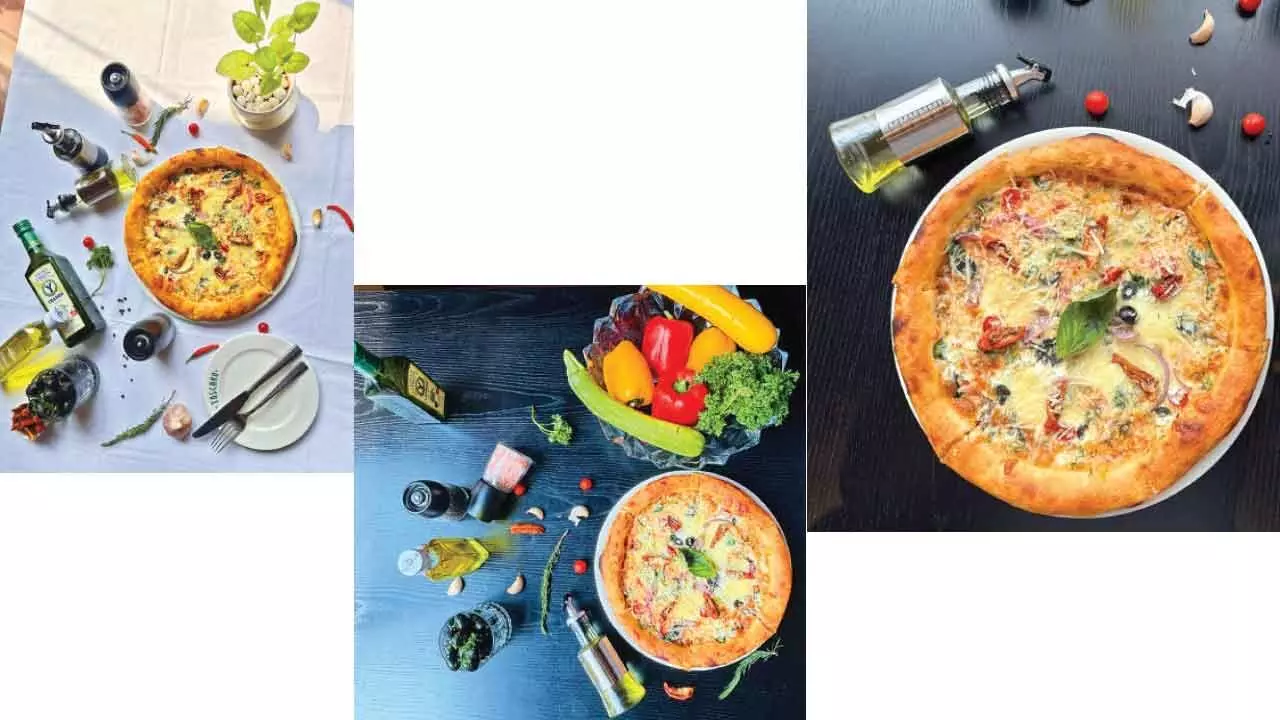
As global dining trends shift toward authenticity and emotional connection, comfort food is reclaiming center stage. At the heart of this movement, Rustica Pizza blends rustic Italian tradition with modern craftsmanship, redefining how the world experiences a timeless favourite
The global culinary landscape is undergoing a meaningful shift, where diners are no longer impressed by aesthetics alone but are instead searching for authenticity, warmth, and emotional connection on the plate. In this environment, comfort food has emerged as a dominant force in dining culture, offering familiarity in an increasingly fast-paced world. Among the most notable expressions of this trend is Rustica Pizza — a hearty, tradition-driven style that celebrates simplicity, artisanal craftsmanship, and bold, honest flavours. Rooted in rustic Italian cooking, this style of pizza is transforming the way people experience one of the world’s most cherished dishes, blending nostalgia with contemporary culinary sensibilities.
The Roots of Rustic Tradition
Rustica Pizza draws its inspiration from the countryside kitchens of Italy, where cooking has always been about using simple, seasonal ingredients to create deeply satisfying meals. Unlike overly processed or heavily commercialized versions of pizza, Rustica Pizza focuses on thick or hand-stretched crusts, robust sauces, artisanal cheeses, and wholesome toppings. It reflects the philosophy of traditional Italian cooking — less about perfection in appearance and more about integrity in flavor.
This approach resonates strongly in modern dining culture. As consumers increasingly value authenticity and traceability in their food, rustic-style dishes offer a sense of connection to culinary heritage. Rustica Pizza delivers that connection through handmade dough, slow fermentation, wood-fired baking, and high-quality ingredients sourced with care.
The Rise of Comfort Food Culture
Comfort food has gained global momentum, particularly in the wake of lifestyle changes and economic uncertainty. People are gravitating toward meals that provide emotional reassurance. Pizza has always held a place in this category, but Rustica Pizza elevates the experience by combining nostalgia with craftsmanship.
Unlike fast-food pizza chains, rustic versions are often served in artisanal pizzerias and upscale casual restaurants. The presentation may be simple, but the flavors are layered and sophisticated. Thick tomato sauces simmered slowly with herbs, creamy burrata melting over roasted vegetables, and crusts blistered in wood-fired ovens create a sensory experience that feels indulgent yet authentic.
Global Adaptability
One of the reasons Rustica Pizza has become a global trend is its adaptability. While rooted in Italian tradition, it welcomes local interpretation. In the United States, chefs experiment with sourdough bases and farm-to-table toppings. In parts of Asia, ingredients like tandoori vegetables or spicy sauces bring regional flair. Across the Middle East, za’atar, lamb, and labneh add cultural depth.
This versatility allows Rustica Pizza to maintain its comforting identity while evolving across borders. It becomes both local and global at the same time — a powerful combination in modern gastronomy.
Artisanal Craft and Premium Ingredients
Today’s diners are more conscious about ingredient quality than ever before. Rustica Pizza aligns perfectly with this shift. Artisanal flour blends, organic tomatoes, cold-pressed olive oil, and hand-pulled mozzarella elevate what might otherwise be a simple dish.
Slow fermentation techniques improve both flavor and digestibility. Wood-fired ovens create a smoky aroma and perfectly charred crust that cannot be replicated easily in industrial production. These traditional methods add value and authenticity, making Rustica Pizza appealing not just as comfort food but as a premium dining option.
Plant-Based and Health-Conscious Variations
Another reason for the growing popularity of Rustica Pizza is its ability to adapt to health-conscious dining trends. Whole wheat or multigrain crusts, gluten-free bases, and plant-based cheese alternatives allow restaurants to cater to diverse dietary preferences. Toppings such as roasted seasonal vegetables, arugula, sun-dried tomatoes, and vegan pesto maintain the rustic charm while appealing to modern consumers.
This flexibility ensures that Rustica Pizza is not limited to indulgence alone. It can be crafted as a wholesome, balanced meal that aligns with contemporary lifestyle choices.
Social Media and Visual Appeal
In the age of Instagram and digital storytelling, food must also be visually compelling. Rustica Pizza naturally meets this demand. Its uneven, hand-shaped crust, vibrant toppings, and bubbling cheese create a photogenic presentation. The dramatic moment of slicing into a thick, rustic pie adds to its shareability.
Restaurants have capitalized on this by showcasing open kitchens, dough tossing, and wood-fired ovens in action. The craftsmanship becomes part of the dining experience, reinforcing authenticity and attracting younger audiences.
(The writer is a Cluster Chef at Toscano)