Foods to Avoid for Better Fertility When Trying to Conceive

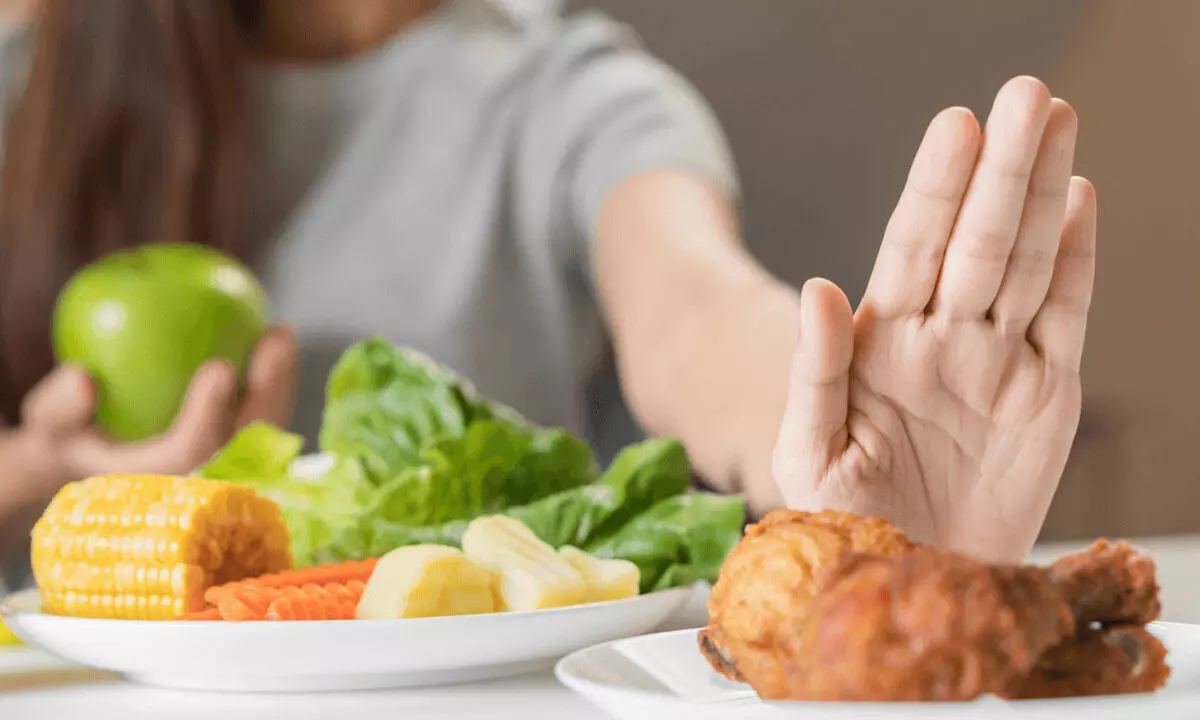
Avoiding sugary, processed, caffeinated, and soy-based foods can enhance fertility and support hormonal balance during the conception journey
Nutrition plays a vital role in reproductive health, especially when you're trying to conceive. Certain foods can negatively impact your fertility by affecting hormonal balance and overall well-being. Steering clear of these items and focusing on nutrient-rich, whole foods can create a healthier internal environment, increasing your chances of pregnancy.
Here are four food categories you should avoid while preparing for conception:
1. Sugary Foods
High sugar intake can lead to insulin resistance and hormonal imbalances, potentially disrupting ovulation and menstrual cycles. Eliminating sugary snacks, sodas, and desserts can help maintain stable blood sugar levels and promote reproductive health.
2. Processed Foods
Processed foods often contain excessive sugar, trans fats, preservatives, and artificial additives. These ingredients may interfere with hormonal function and inflammation, reducing fertility. Opt instead for fresh, whole foods with minimal processing.
3. Excessive Caffeine
While moderate caffeine consumption is generally considered safe, high doses may reduce fertility in both men and women. Limit intake to under 200 mg per day—roughly one 12-ounce cup of coffee—to minimize risk.
4. Soy Products
Soy contains phytoestrogens, plant-based compounds that mimic estrogen in the body. Overconsumption may affect hormone regulation, so it’s best to consume soy in moderation during your conception phase.
Being mindful of your diet when trying to conceive is more than just healthy eating—it’s about creating the ideal conditions for reproduction. Avoiding these four food groups can significantly enhance fertility, hormone balance, and overall reproductive wellness.