The Impact of Stress on Men’s Health: A Silent Struggle


The Impact of Stress on Men’s Health: A Silent Struggle
Stress can lead to a lot of health issues in men. Read more to spot the signs and symptoms of Stress and how to manage it.
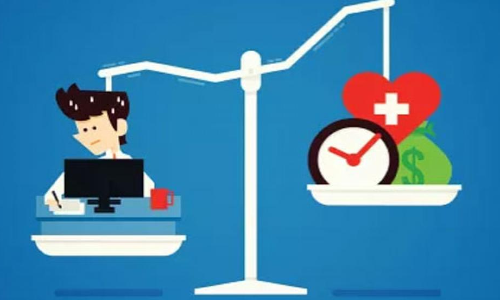
Today’s generation is facing stress at a higher level as compared to previous generations, mainly due to the fast-paced lifestyle, career, societal pressure and pressure to succeed in everything. Stress has become a common part of most people’s life. Although both men and women are exposed to stress, they both handle it differently. This is mainly due to the hormonal difference between both genders.
Men often experience stress differently and may struggle to express or manage it effectively. While stress is a natural response to life’s challenges, prolonged stress can take a serious toll on men’s health. Let’s see how Stress impacts the physical and mental well-being of men and how to manage it.
How Does Stress Affect Men’s Health
When you're stressed, your body releases three hormones called cortisol, epinephrine, and oxytocin. Cortisol and epinephrine increase blood pressure and blood sugar while also weakening the immune system.
Oxytocin, on the other hand, helps reduce stress by promoting calm and nurturing feelings. Women produce more oxytocin, which helps them cope with stress by taking care of themselves or others. Men, however, have lower oxytocin levels, making them more likely to react to stress differently. This often leads to men either keeping their stress bottled up or trying to escape from their problems.
This silent struggle can lead to severe consequences for both mental and physical health. Stress and men’s health are closely linked, as chronic stress can contribute to a variety of health problems.
Impact of Stress on Mental Health
We all know that stress affects our mental health but we often ignore the severity of it. Stress can lead to anxiety and depression. Societal pressure on men to stay strong often leads them to suppress their feelings which does more harm to their mental wellbeing. Not sharing their feeling or emotions and struggling silently can lead to severe consequences both mentally and physically.
Men who are constantly stressed experience irritability, fatigue, loss of appetite, trouble sleeping and no interest in things that they once loved doing. This can affect their family life as well as their career. The stigma around mental health makes it even more challenging for men to seek the support they need. Encouraging open conversation about stress and anxiety is crucial.
Impact of Stress on Physical Health
We all think that stress just affects our mental health. But it’s time to understand that stress plays a huge part in deteriorating our physical health as well. Chronic stress can contribute to several health issues, including:
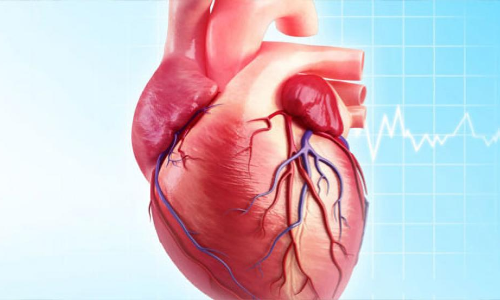
- Heart disease – Stress increases blood pressure and heart rate, putting men at higher risk for heart attacks and strokes.
- Weakened immune system – Long-term stress weakens the immune system, making men more susceptible to infections and illnesses.
- Digestive problems – Stress can cause stomach aches, acid reflux, and irritable bowel syndrome (IBS).
- Muscle tension and pain – Many men experience headaches, back pain, or tight muscles due to prolonged stress.
- Sleep disturbances – Stress often leads to insomnia, making it harder to rest and recover.
How to Manage Stress in Men
Stress is unavoidable in today’s fast paced and hectic world. But it is important to manage it effectively. Here are a few ways to manage stress.
1. Exercise regularly - Physical activity like running, weightlifting, or yoga helps release endorphins, reducing stress and improving mood.
2. Prioritize Sleep – Aim for 7-9 hours of quality sleep to recharge the body and mind, preventing stress buildup.
3. Eat Healthy – While eating junk once in a while is fine, focus on eating good home cooked food rich in proteins, healthy fats, and fibre to stabilize energy levels and mood.
4. Engage in Hobbies – Continue doing what you love to do in your free time. Be it engaging in your favourite sport, playing music or gardening.
5. Practice Digital detox – This is important for today’s generation as social media creates unrealistic expectations often comparing our lives with others leading to self-doubt. Taking a break will help you regain focus and improve your self-esteem.
6. Limit Alcohol and Caffeine – Excessive intake can heighten anxiety and disrupt sleep.
7. Set Realistic Goals – Break tasks into manageable steps to reduce pressure and increase productivity.
8. Take short breaks from work – Be it for travel or just focusing on yourself, taking short breaks from a hectic schedule is important.
9. Practice Mindfulness – Meditation or journaling can help men stay present and manage stress effectively.
10. Talk about it – Express what’s in your mind with the person you are comfortable with. Whether it’s a friend, family member, or therapist, opening up about worries and concerns can provide relief and new perspectives.
Stress doesn’t have to be a silent struggle for men. By adopting effective stress management methods, men can improve their mental and physical well-being. Taking small but consistent steps towards stress relief can lead to a healthier, happier life.