International Mother Language Day 2026: Celebrating Youth, Identity and Linguistic Pride

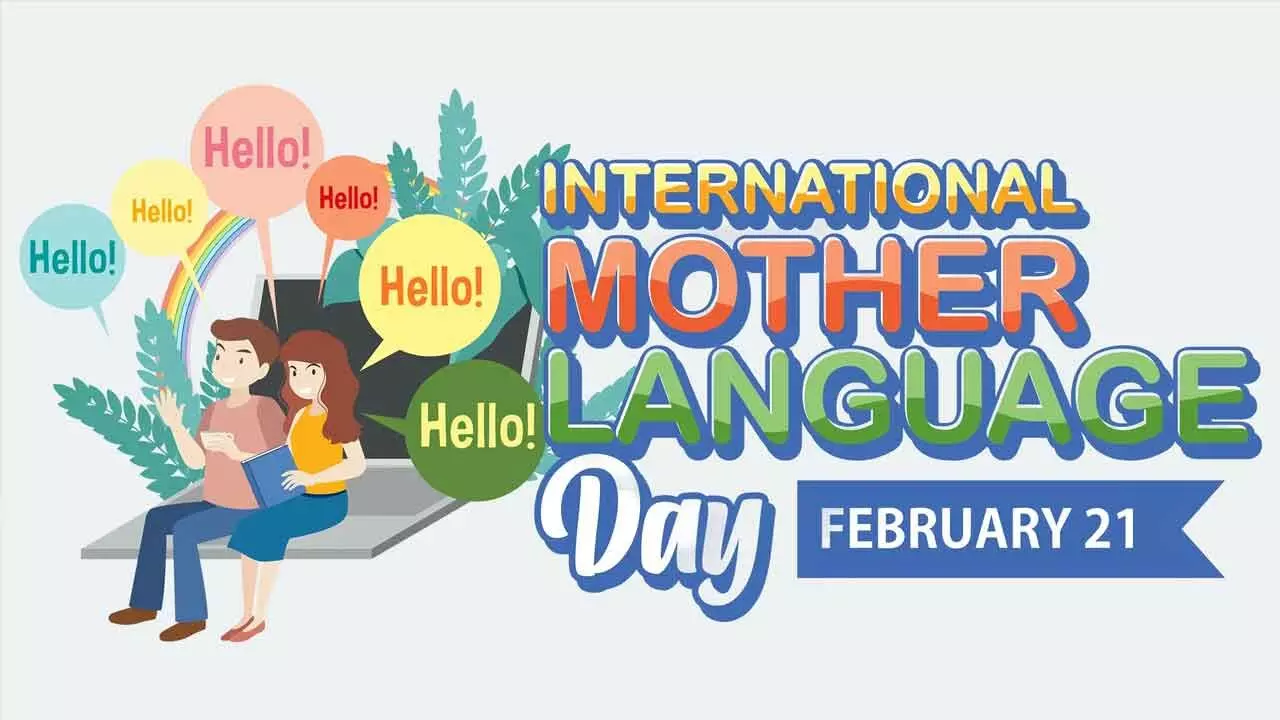
International Mother Language Day 2026 celebrates youth-led multilingual education and honours the enduring power of mother tongues worldwide.
Every year on February 21, the world comes together to observe International Mother Language Day — a global reminder of the importance of preserving linguistic diversity and respecting cultural identities. Established by the United Nations Educational, Scientific and Cultural Organization (UNESCO) in 1999 and first observed in 2000, the day also pays tribute to the brave students who lost their lives during the 1952 Bengali Language Movement while advocating for the recognition of their mother tongue.
In 2026, the occasion carries renewed relevance as technology reshapes communication and younger generations take centre stage in shaping the future of languages.
Theme for 2026: Youth Voices on Multilingual Education
The theme for International Mother Language Day 2026 focuses on “Youth voices on multilingual education.” It highlights the vital role young people play in safeguarding linguistic diversity in an increasingly digital and globalised world.
Today’s youth are not only inheriting languages but also reinventing how they are used. From creating regional-language podcasts and YouTube channels to developing educational apps and social media content in native tongues, young creators are ensuring their languages remain vibrant and visible. The theme encourages educational systems and policymakers to promote inclusive, multilingual learning environments where local languages are valued alongside global ones.
By giving young people, the tools and platforms to express themselves in their mother tongues, societies can ensure languages thrive rather than fade into obscurity.
Honouring History and Cultural Identity
International Mother Language Day is deeply rooted in history. It commemorates the sacrifices made during the Bengali Language Movement of 1952, when students in present-day Bangladesh protested to secure recognition for their language. Their courage became a symbol of linguistic rights worldwide.
Beyond historical remembrance, the day is a celebration of identity. A mother tongue is often the first language we hear, speak and understand. It carries family traditions, community values and generational wisdom. Losing a language means losing unique ways of thinking, storytelling and understanding the world.
Across continents, communities use the occasion to organise cultural programmes, literary events, poetry readings and school activities that emphasise pride in native languages. These initiatives foster respect not only for one’s own language but also for the linguistic traditions of others.
Messages that Reflect Unity in Diversity
On this special day, people share heartfelt messages emphasising how languages connect generations and strengthen social bonds. The sentiment remains consistent: languages are more than communication tools — they are living expressions of heritage.
Many stress the importance of passing down mother tongues to children, encouraging families to speak and teach native languages at home. Others highlight how multilingual societies are richer and more inclusive, as they reflect diverse histories and worldviews.
Social media platforms are filled with thoughtful posts encouraging respect for every dialect and script. These digital expressions amplify awareness and remind individuals that linguistic diversity is a shared global treasure.
Social Media Status Ideas for the Day
International Mother Language Day also trends widely across WhatsApp, Facebook and Instagram. Users often update their status to express pride in their linguistic roots or to advocate for preserving endangered languages.
Short status messages typically focus on honouring one’s mother tongue, recognising the value of multilingualism and celebrating cultural roots. Many users also share creative graphics and HD images symbolising unity through language, reinforcing the day’s message in visually engaging ways.
In an era dominated by global communication, such online participation strengthens collective efforts to protect linguistic heritage.
A Global Call to Preserve Languages
As the world becomes more interconnected, the risk of language extinction grows. According to linguistic experts, many languages are disappearing at an alarming rate. International Mother Language Day serves as a reminder that safeguarding linguistic diversity requires conscious effort from governments, educators and communities alike.
This February 21, the focus on youth leadership offers hope. By empowering younger generations to embrace multilingual education and digital innovation, societies can ensure that every language — big or small — continues to echo across generations.
International Mother Language Day 2026 is not just a celebration; it is a commitment to cultural respect, inclusivity and the preservation of humanity’s shared linguistic heritage.