When Should You Replace Your Baby's Feeding Bottle? A Helpful Checklist

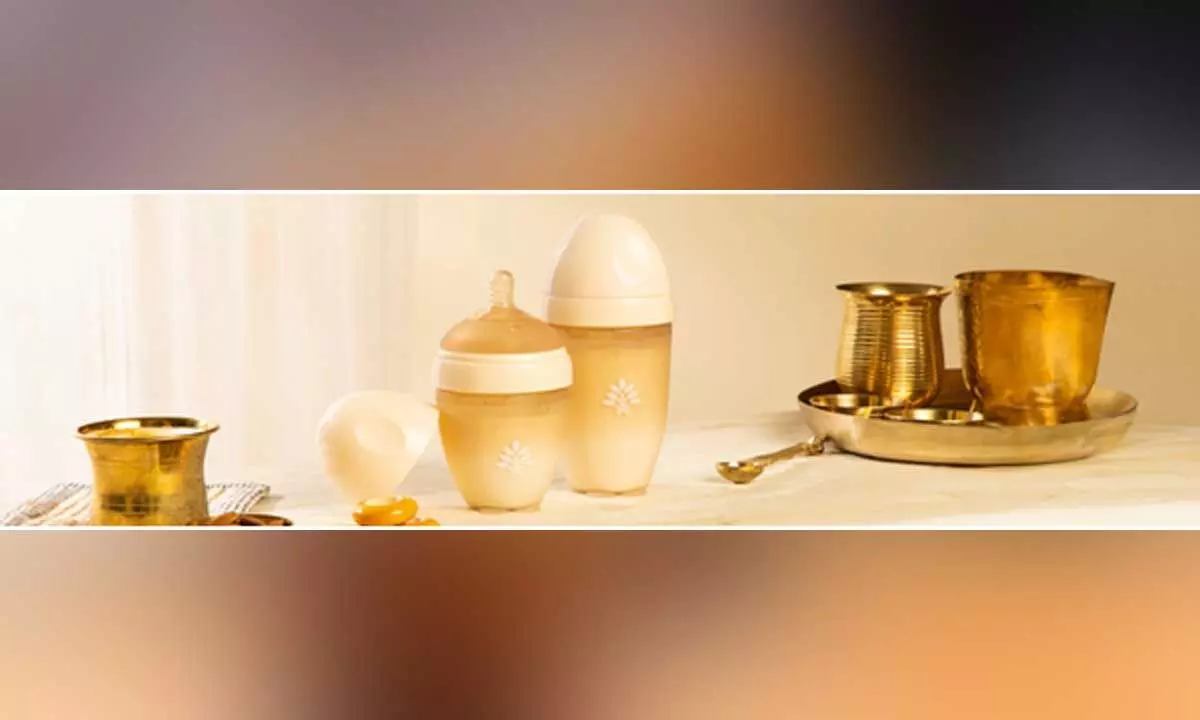
Feeding bottles are a lifeline for many parents, offering a convenient way to nourish their little ones. But like most baby essentials, feeding bottles don’t last forever.
Feeding bottles are a lifeline for many parents, offering a convenient way to nourish their little ones. But like most baby essentials, feeding bottles don’t last forever. Over time, wear and tear, hygiene concerns, and even your baby’s changing needs can signal it’s time for a replacement. So, how do you know when to swap out your baby’s feeding bottle? Let’s get into this helpful guide that breaks it all down for you.
Why Replacing Feeding Bottles is Important
Feeding bottles are used multiple times a day, and with frequent washing, sterilizing, and use, they can develop cracks, scratches, or other issues. These changes may not always be visible, but they can impact your baby’s health and feeding experience. For instance, tiny scratches can trap bacteria, even after sterilizing, or a worn-out nipple might cause milk flow issues.
Replacing bottles at the right time ensures your baby continues to have a safe, hygienic, and comfortable feeding experience.
Signs It's Time to Replace Your Baby’s Feeding Bottle
Here’s a checklist of things to watch out for:
1. Cracks or Chips in the Bottle
Over time, feeding bottles can develop cracks or chips, especially if they’re dropped or handled roughly. These small damages can harbour bacteria or lead to leaks. If you spot even a tiny crack, it’s time to replace the bottle.
2. Worn or Damaged Nipples
The nipples on feeding bottles are prone to wear and tear. Check for any thinning, tears, or changes in shape. A damaged nipple can lead to milk flowing too fast or too slow, frustrating your baby during feedings.
3. Foul Odors or Stains
If the bottle starts retaining a sour smell or has stubborn stains that don’t go away after cleaning, it’s a good idea to replace it. Odours and stains can indicate that the bottle material has degraded or absorbed residue over time.
4. Changes in Bottle Appearance
A foggy or scratched bottle surface can be another clue. Scratches may seem minor, but they create hiding spots for bacteria that are hard to clean effectively.
5. Frequent Leaks
If the bottle leaks even after you’ve tightened the lid or replaced the nipple, the bottle might no longer be sealing properly. Persistent leaks are a sign that it’s time for a new one.
How Often Should You Replace a Baby Feeding Bottle?
There’s no universal timeline for replacing feeding bottles, as it depends on the type of bottle, how often it’s used, and how well it’s maintained. However, here are some general guidelines:
• Plastic Bottles: Replace them every 3 to 6 months, as they are more prone to scratches, stains, and wear.
• Glass Bottles: These last longer but should be replaced immediately if cracked or chipped.
• Silicone or Latex Nipples: Replace every 1 to 2 months or sooner if you notice signs of wear.
Maintaining Feeding Bottles for Longer Use
Proper care can extend the life of your baby’s feeding bottles. Here are a few tips:
• Clean Immediately After Use: Rinse bottles with warm water as soon as feeding is over to prevent residue from hardening.
• Sterilize Regularly: Use a sterilizer or boil bottles and nipples to kill germs.
• Avoid Harsh Scrubbing: Use a soft brush to clean the inside of the bottle without scratching the surface.
• Inspect Frequently: Check bottles and nipples weekly for any signs of wear or damage.
Transitioning to New Feeding Bottles
Switching to a new feeding bottle can sometimes be tricky, especially if your baby is attached to their current bottle. Here’s how to make the transition smoother:
• Introduce Gradually: Start by replacing one bottle at a time rather than all at once.
• Choose Familiar Features: Pick bottles with shapes or nipples similar to what your baby is used to.
• Involve Your Baby: Allow your little one to hold or explore the new bottle before feeding.
What About Reusable Bottles?
Reusable bottles made from high-quality materials like BPA-free plastic or borosilicate glass are designed to last longer. However, they still need regular inspection and maintenance. Always ensure they are in good condition before reusing them.
Why a Good Quality Bottle Matters
Choosing a good quality feeding bottle can reduce the frequency of replacements and make feeding smoother for you and your baby. Bottles made from durable, non-toxic materials like glass or BPA-free plastic are safer and more hygienic. Features like anti-colic designs, leak-proof seals, and odour-resistant surfaces add to their longevity and usability.
Conclusion
Replacing your baby’s feeding bottle may seem like a small task, but it plays a big role in their health and comfort. By keeping an eye out for signs of wear and tear, you can ensure that feeding time is safe, hygienic, and enjoyable for your baby.