Why We Love Wordle: The Psychology Behind the Craze

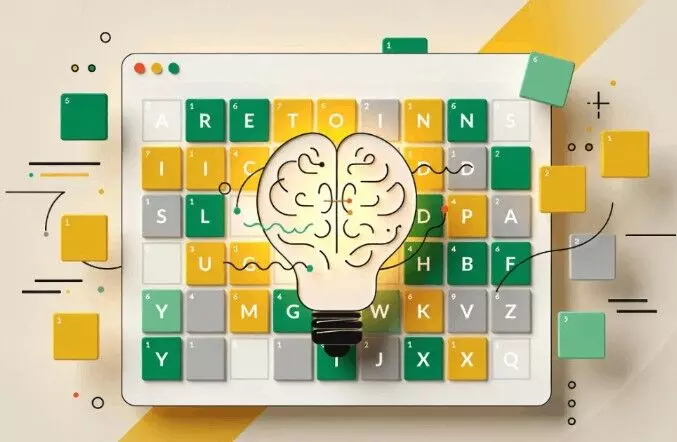
In early 2022, a simple five-letter word game quietly exploded into a global phenomenon. Within months, millions of people were waking up to the same ritual: opening an app or website, guessing a mystery word in six tries, and then flooding social media with little grids of green, yellow, and gray squares. Wordle wasn’t the first word game, nor the most complex, yet it somehow became a cultural touchstone, played by grandmothers and teenagers alike, in dozens of languages, every single day.
What made it spread so fast? Part of the magic was the effortless sharing (those spoiler-free emoji grids were genius), but the real engine was deeper than clever design. Wordle isn’t just fun; it’s psychologically irresistible. It presses exactly the right buttons in our brains: the sweet spot of challenge and reward, the thrill of near-misses, the satisfaction of mastery, and the gentle dopamine hits that keep us coming back.
This article dives into the science behind the obsession: why one little word each day feels so profoundly satisfying, why losing still feels okay, and how a game with no ads, no timers, and no leaderboard somehow became one of the most addictive experiences of the digital age. Spoiler alert: it’s not an accident. Wordle was engineered (almost perfectly) for human psychology.
The Simplicity Factor: Why Less Is More
One of the biggest secrets behind Wordle’s massive popularity is how incredibly simple it is. In a world overflowing with complicated games, ads, timers, and endless features, Wordle stands out by doing the opposite. Its simplicity is not a limitation—it’s the reason millions of people return every single day. Or if you can’t wait for a new try, you can choose Wordle Unlimited for practicing many times per day.
A. Easy to Learn, Hard to Master
The moment you open Wordle, you instantly understand what to do.
There are no long instructions, no tutorials, and no confusing mechanics—just a clean grid and the task of guessing a five-letter word.
This short word format makes the rules universal. Whether you’re a native English speaker or learning the language, the challenge feels equally accessible. Guess a word, see the colored tiles, adjust your strategy—everyone “gets it” within seconds.
Another major advantage? Zero barriers to play.
You don’t need to create an account, download an app, or sign in with social media. This friction-free experience encourages people to play spontaneously—during a break, before bed, or while having coffee. The ease of entry is one of the strongest psychological hooks the game offers.
B. Cognitive Ease
Humans naturally gravitate toward activities that feel manageable but still rewarding. Wordle delivers exactly this sweet spot.
The puzzle is small enough not to be intimidating, yet challenging enough to make your brain feel active and alert. It activates pattern recognition, memory recall, and quick deduction—without overwhelming the mind.
Wordle is the perfect balance between effort and reward.
The challenge doesn’t drain your mental energy; instead, it provides a refreshing mini-workout for the brain. This is why people often say a round of Wordle feels satisfying, not stressful.
C. Clean Design & No Ads
Another psychological advantage Wordle holds is its minimalist design. There are no flashing banners, push notifications, or distracting animations. Just a quiet, clear interface that places full focus on the puzzle.
This design choice significantly reduces cognitive load. The brain can concentrate entirely on the task instead of filtering out unnecessary noise or visual clutter.
Even more refreshing: no ads.
Many online games interrupt the experience with pop-ups or forced video ads, breaking the flow and reducing enjoyment. Wordle avoids all of this. Its simplicity creates a calm, uninterrupted environment—almost like a digital meditation.
This purity of experience keeps players coming back. It feels elegant, thoughtful, and respectful of the user’s time. In today’s busy digital landscape, such simplicity is not common—and that makes Wordle truly special.
The Power of Daily Limits
A. The Scarcity Effect
One puzzle. Twenty-four hours. That’s it. By giving players just a single Wordle each day, the game triggers a classic psychological principle: scarcity dramatically increases perceived value. When something is abundant, we take it for granted; when it’s rationed, it suddenly feels precious. People who would happily binge ten rounds of an unlimited version instead find themselves counting down the hours until midnight, refreshing the page like kids waiting for Christmas morning. The limited supply turns an ordinary word puzzle into a daily event worth looking forward to.
B. Behavioral Psychology at Work
Scarcity alone doesn’t explain the obsession—behavioral science does. Every time you solve the day’s puzzle, your brain gets a clean, concentrated hit of accomplishment. Because there’s no next round to dilute the feeling, that satisfaction lingers all day. Winning feels bigger when you can’t immediately chase another win. At the same time, the streak counter (“You’ve played 47 days in a row!”) hijacks the same reward circuitry that powers habit-forming apps. One puzzle a day is small enough to feel effortless, yet consistent enough to wire Wordle into your daily rhythm. Miss a day and you don’t just lose a game—you break the chain. That tiny threat is often enough to pull people out of bed earlier than usual.
C. A Familiar Ritual in a New Package
Humans love daily micro-challenges: the morning crossword, the Sudoku in the newspaper, the quick jog around the block. Wordle simply modernized the formula. It takes less than five minutes, requires zero equipment, and delivers instant closure—perfect for slipping into coffee routines, commute waits, or bedtime wind-downs. The once-a-day limit feels comforting rather than restrictive because it mirrors habits we already trust. In a world of endless scrolling and infinite playlists, Wordle hands us something rare: a built-in stopping point that leaves us wanting more—until tomorrow.
The Reward System: Why Solving Feels So Good
One of the biggest reasons Wordle became a global obsession is how deeply satisfying it feels to solve the daily puzzle. Even though the game looks simple on the surface, it triggers powerful psychological rewards that keep players coming back for more.
A. Dopamine Release
Every time you enter a guess and see a green or yellow tile, your brain releases a small burst of dopamine, the chemical responsible for pleasure, motivation, and positive reinforcement. These “micro-rewards” make each step of progress feel exciting.
And then comes the moment everyone waits for—the final correct guess.
That satisfying line of green tiles delivers a big dopamine hit, creating a strong sense of accomplishment. Whether it took two attempts or six, solving the puzzle feels genuinely rewarding, almost like cracking a secret code.
This reward loop is a major reason Wordle fits so well into daily routines. The brain starts to expect— and crave—these quick bursts of joy every day.
B. The “Aha!” Moment
Wordle relies heavily on insight-based problem-solving—the kind of mental process where everything suddenly clicks. You try a few guesses, spot a pattern, eliminate possibilities, and suddenly the solution pops into your mind.
This instant realization is known as the “Aha!” moment, and humans are wired to love it.
It makes us feel clever, capable, and mentally sharp. Wordle delivers these moments consistently, which is rare for simple daily games.
The puzzle ends not with guesswork, but with clarity and closure—two feelings that satisfy both the logical and emotional parts of the brain.
C. Micro-Challenges
Wordle’s limit of six attempts adds a gentle but exciting pressure.
Too many tries would make the game boring; too few would make it frustrating. Six is the perfect number to keep players alert without overwhelming them.
The limitation creates a series of micro-challenges:
- Choosing the best starting word
- Deciding whether to play safe or take risks
- Narrowing down possibilities
- Making the final guess before running out of attempts
This tension makes each round feel like a mini-adventure, even though it only lasts a few minutes. The thrill of “Will I solve it in time?” is part of the addictive magic.
Some players even look for a subtle Wordle Hint when they feel stuck, adding another layer to the decision-making process.
Social Sharing and Community Belonging
While the puzzle itself is fun, Wordle’s social aspect is what turned it into a worldwide phenomenon. The game doesn’t just engage your brain—it connects you to millions of people who are experiencing the same challenge.
A. The Colored Grid Phenomenon
One of Wordle’s most brilliant design choices is its shareable result grid.
The colored squares reveal your journey without giving away the answer. It’s clever, visually appealing, and instantly recognizable.
This grid acts like a personal achievement badge.
Posting your result is a way of saying, “Look how I solved today’s challenge!” without spoiling the fun for anyone else.
The simple pattern of green, yellow, and gray has become a universal language among Wordle players.
B. Belonging to a Global Conversation
Wordle is more than a game—it’s a daily event.
Millions of people post their results, discuss strategies, and share frustrations or victories. This creates a feeling of belonging to a massive global community.
Even players who never post their results still sense this shared experience.
Everyone is solving the same puzzle, on the same day, in different countries and languages. That collective participation gives Wordle a unique cultural energy.
C. Friendly Competition
Another reason Wordle is so socially engaging is the element of friendly competition.
Families challenge each other over breakfast. Friends compare grids in group chats. Coworkers discuss who solved it faster.
Because the game is short, fair, and the same for everyone, the comparisons feel light-hearted—not overly competitive.
Seeing someone else’s results also motivates players to:
improve their own strategy
maintain streaks
play again tomorrow
This sense of connection and shared achievement is one of the key reasons Wordle became not just a game, but a social ritual.
Wordle as a Brain Exercise
A. Strengthening Vocabulary
Even seasoned players regularly meet words they’ve never seen—or have forgotten—like “knoll,” “parry,” or “caulk.” Each surprise forces a quick mental lookup (or a proud “I knew that!” moment), quietly expanding active vocabulary. Because the stakes are low and the context is playful, the brain absorbs these new words far more willingly than it ever would from a flashcard app.
B. Boosting Pattern Recognition
Wordle is essentially a daily lesson in deductive reasoning. Players rapidly learn letter frequencies, common pairings (“-ing,” “-tion,” “qu”), and positional tendencies (Q is almost always followed by U; Y loves the end of words). These micro-patterns sharpen logical thinking and probabilistic reasoning—skills that transfer to code-breaking, strategic games, and even data analysis.
C. Cognitive Health Benefits
Five minutes of focused attention followed by closure is the perfect light mental workout. Neuroscientists call this “desirable difficulty”: challenging enough to engage the brain, gentle enough to avoid stress hormones. Regular players report improved mood, reduced anxiety, and a satisfying sense of mental clarity—much like a short meditation, only with more green squares.
Emotional Appeal: Comfort, Nostalgia & Control
A. A Calm, Non-Distracting Game
In an internet full of flashing banners, push notifications, and doom-scrolling, Wordle is a digital sanctuary. No timers, no sound effects, no micro-transactions—just you, a quiet grid, and a word. That deliberate minimalism feels like a warm blanket for overstimulated brains.
B. Nostalgic Connection to Classic Word Games
Wordle taps straight into childhood memories of Scrabble nights, newspaper crosswords with grandparents, or Hangman on the chalkboard. The format is instantly familiar, yet refreshed for the smartphone era. It’s comfort food for the mind—old-school pleasure without the dusty rulebook.
C. Sense of Control & Predictability
Every day the rules are exactly the same. One puzzle, and only one, puzzle arrives at midnight. In an unpredictable world, that tiny pocket of certainty is deeply soothing. You know exactly what to expect, when to expect it, and that you’ll walk away in under ten minutes having “finished” something. In an age of endless open tabs and unfinished to-do lists, Wordle hands us a rare, complete little victory—every single day.
Cultural Relevance and Trend Momentum
Wordle didn’t just become popular — it became a cultural moment. Its rise wasn’t accidental; it was shaped by social media, modern pop culture, and a global fascination with simple, meaningful digital experiences. What makes Wordle stand out is how quickly it grew beyond being “just a word game” and evolved into a worldwide trend.
A. Viral Growth Through Social Media
One of the biggest accelerators of Wordle’s success was how naturally it fit into social media culture.
Platforms like Twitter and TikTok became the perfect places for players to share their daily results, strategies, and emotional reactions.
The shareable emoji grid — simple rows of green, yellow, and gray squares — was an instant hit.
It made posts visually interesting, easy to understand, and intriguing enough for others to ask, “What’s that?” This curiosity created a viral loop and brought millions of new players into the game.
On TikTok, creators posted tips, reaction videos, and streak celebrations, turning Wordle into a daily trend. The combination of short-form content and a global user base helped Wordle spread faster than most mobile games ever have.
B. Celebrity Mentions & Media Coverage
As the game spread, celebrities, influencers, and public figures began joining the conversation.
Writers, comedians, tech leaders, and even actors posted their scores or joked about their frustrations with the day’s puzzle.
This kind of pop culture integration adds credibility and excitement.
When famous people play a game — and enjoy it — the public pays attention. News outlets quickly picked up on the trend, publishing stories about Wordle’s origin, strategies, and community impact.
This combination of celebrity mentions and media coverage didn’t just make Wordle famous; it made Wordle mainstream. It became something everyone, from teenagers to grandparents, felt invited to participate in.
C. Multilingual Variants Around the World
Another reason Wordle achieved global success is its adaptability.
Developers and language enthusiasts created Wordle versions in hundreds of languages, from Spanish and French to Arabic, Vietnamese, and Swahili.
This multilingual expansion opened doors for players of all ages and backgrounds.
People could enjoy solving puzzles in:
their native language,
a language they were learning, or
a language spoken by their community.
It turned Wordle into a cultural bridge, proving that simple word games can connect people across cultures. The game’s universal structure makes it accessible in every linguistic setting — a rare feature in online gaming.
Why Wordle Feels Personal
While the global excitement is a big part of Wordle’s success, the real magic lies in how personal the game feels to each player. Wordle is small, simple, and private — yet manages to tap into deep psychological satisfaction. It feels like a game designed for you.
A. You vs. Your Brain
Unlike many modern games, Wordle doesn’t pit you against other players.
There’s no leaderboard, no matchmaking, and no score comparison unless you choose to share.
This design creates a sense of pure self-challenge. You’re competing only with your own logic, intuition, and language skills.
When you solve the puzzle, the victory feels more meaningful because it’s genuinely yours — not a win over someone else, but a win with your brain.
B. Streaks and Personal Records
Another element that makes Wordle feel personal is the streak system.
Each day you solve the puzzle, your streak grows, and with it grows your emotional investment. This simple counter creates:
motivation to return each day
pride in maintaining consistency
excitement as numbers climb
But it also comes with tension — losing a streak can feel strangely disappointing.
This emotional attachment is part of what makes Wordle stick. People build habits around it, almost like journaling or daily exercise.
The longer the streak, the stronger the motivation loop becomes.
C. Identity Through Play Style
One of the charming aspects of Wordle is that everyone has their own unique “play style.”
Some people swear by a single starting word — like “EARTH,” “CRANE,” or “AUDIO.” Others prefer more adventurous or random approaches.
Some players play methodically, using probability-based guesses.
Others rely on intuition and creativity.
These different strategies create a sense of identity.
Your approach reflects a bit of your personality: cautious, logical, bold, or experimental. Even discussing starting words becomes a fun way to express your style.
This personal connection reinforces why Wordle feels like more than a game — it’s a small daily ritual shaped by your own habits, choices, and thinking patterns.
The Future of Wordle Psychology
A. Will the Craze Continue?
Daily-puzzle games have proven staying power: millions still do the New York Times crossword or Sudoku every morning decades after launch. Wordle’s once-a-day rhythm is the same timeless formula—just wrapped in a cleaner, shareable package. As long as people crave a small, predictable win to start their day, Wordle (or its official NYT version) will keep its loyal audience. The core psychological hook—scarcity + mastery + ritual—is simply too strong to fade quickly.
B. The Impact of Variants
The explosion of spin-offs—Quordle (four words at once), Nerdle (math), Worldle (geography), Globle, Octordle, Sedecordle—shows how fertile the formula is. Each new version scratches the same itch but raises the difficulty, keeping power users engaged while the original remains the gentle gateway drug. These variants act like expansion packs: they extend the lifespan of the entire genre and prevent burnout.
C. Wordle as a Modern Case Study in Game Design
Developers now study Wordle the way they once studied Tetris. Its lessons are clear: extreme simplicity + enforced scarcity + built-in social proof + zero friction = viral, lasting success. Any future hit will need at least two of these ingredients; Wordle had all four in perfect balance.
Conclusion
So why do we love Wordle? Because it gives us, in five quiet minutes, exactly what modern life usually withholds: a clear goal, fair rules, immediate feedback, a tiny achievable win, and a harmless way to connect with others—all without overwhelming or exploiting us.
It is simple yet smart, limited yet infinite in feeling, intellectually stimulating yet emotionally soothing. In an age of chaos and endless choice, Wordle became the rare digital experience that leaves us calmer and a little proud when we close the tab.
A five-letter word, six guesses, one day at a time—somehow that was enough to bring millions of strangers together, teach us new words, and remind us how good it feels when everything finally turns green.
And maybe that’s the real answer we were looking for all along.