K’taka statewide survey identifies 10,365 transgenders; welfare proposals submitted

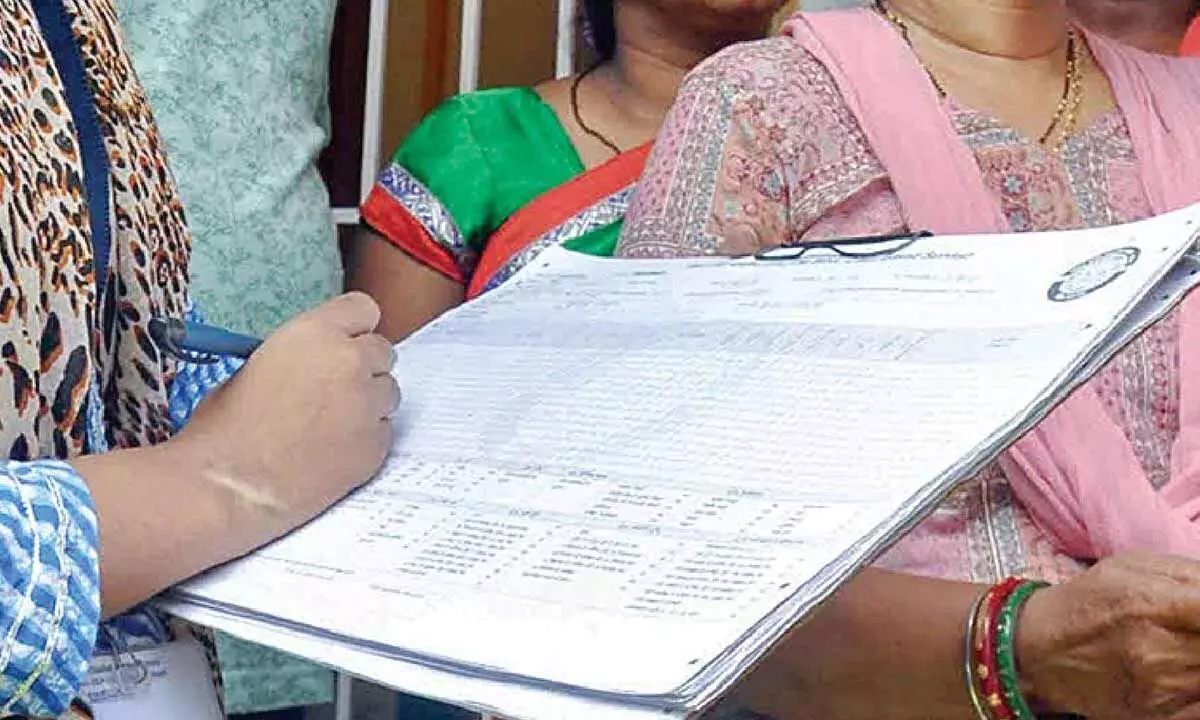
Bengaluru: Thelong-awaited baseline survey on gender minorities for 2025-26, conducted by the Department of Women and Child Development and the Karnataka State Women’s Development Corporation, has been submitted to the state government, identifying a total of 10,365 transgender persons across Karnataka.
The survey, conducted over a period of 45 days in all 31 districts, aims to create a comprehensive database to strengthen welfare programs, protect rights and ensure targeted rehabilitation of transgender persons. According to the report, the state has 10,250 transgender persons aged above 18 years and 115 children below 18 years. The survey highlights the need for priority admissions for transgender persons in hostels, dedicated scholarship schemes for transgender students, free coaching for competitive examinations, skill development and employment training, healthcare access, housing facilities and improved basic infrastructure. It also recommends the establishment of a Transgender Welfare Board to streamline policy implementation and inter-departmental coordination.
The report stresses the importance of police coordination to prevent violence against transgender persons and notes that reliable baseline data is essential for integrating transgender welfare into all departmental schemes of the state government.
District-wise analysis shows that Vijayapura has the highest transgender population with 1,428 persons, followed by Chikkaballapur (1,252), Bengaluru Urban (757), Kolar (638) and Belagavi (618).
At birth, 7,998 persons were identified as male, 2,123 as female, and 129 as intersex. In terms of gender identity, 5,699 persons identify as transgender, 3,736 as male, and 517 as female. Religion-wise data reveals that 8,817 persons belong to the Hindu community, 1,217 are Muslims, 66 Christians, 49 from other religions, while four are identified as atheists. Caste data shows 3,497 Scheduled Caste, 1,369 Scheduled Tribe, 3,585 OBC, and 1,289 from other categories.
Marital status analysis indicates that 46.20% are married, with 4,735 married and 5,444 unmarried individuals. Education data reveals limited access to higher education, with only 120 postgraduates and three PhD holders. Alarmingly, the survey records 3,382 cases of abuse, 3,730 incidents of discrimination in educational institutions, and 2,589 dropouts.
Encouragingly, 60.62% of respondents are accepted by their families, although 39.38% still face family rejection, highlighting the urgent need for social inclusion measures.