GHMC okays Rs 11,460 cr budget for infra push

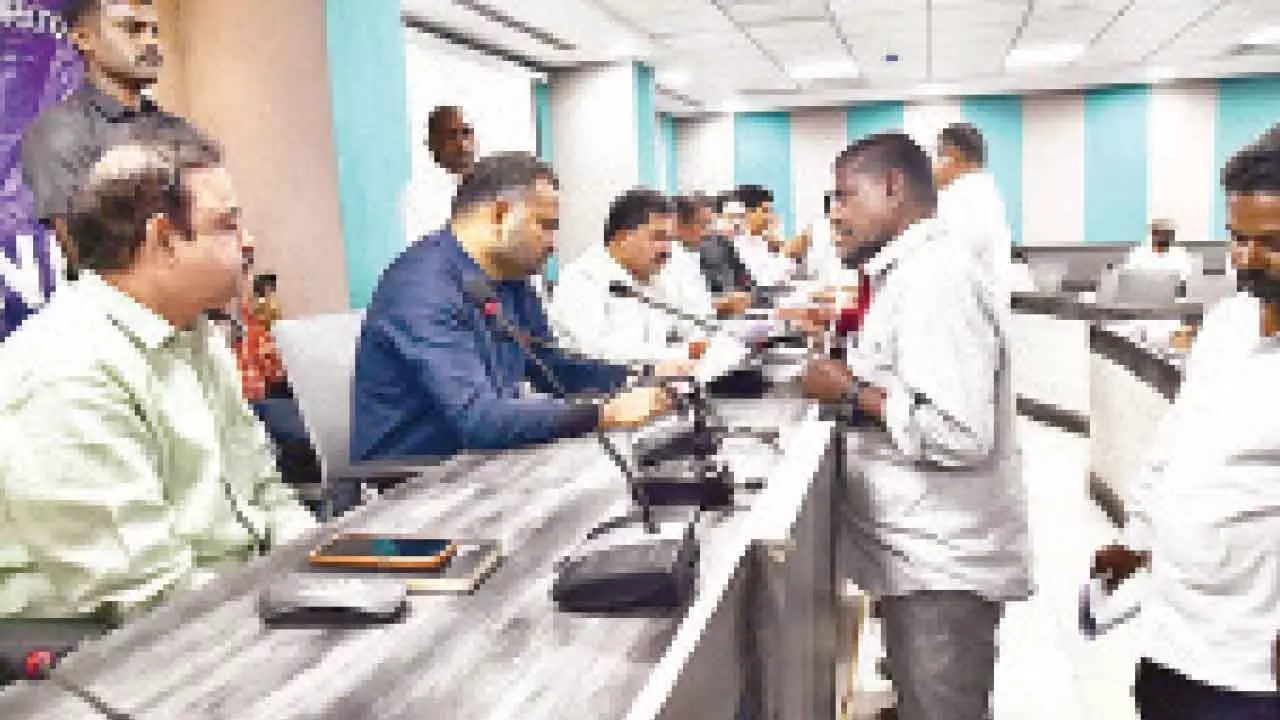
The Greater Hyderabad Municipal Corporation has approved an Rs 11,460 crore budget for the 2026-2027 financial year, focusing on infrastructure development, sanitation, and the growth of merged municipalities.
Major projects including the construction of flyovers, road expansions, and healthcare facilities aim to enhance connectivity and public amenities. The budget covers the existing corporation area and 27 newly merged urban local bodies, with priority given to capital works. Specifically, Rs 9,200 crore is designated for current limits, while Rs 2,260 crore is set aside for the newly included municipalities.
The corporation noted that city expansion is placing increased demands on civic services. Therefore, the fiscal plan prioritises financial sustainability and fair resource distribution to ensure the expanded body operates effectively without straining primary revenue sources.
To address traffic congestion, the civic body allocated Rs 1,720 crore for new flyovers and road maintenance. Additionally, Rs 550 crore is earmarked for the Strategic Nala Development Plan, while Rs 590 crore will enhance urban greenery through a dedicated programme. A recent standing committee meeting approved several key projects to improve the urban landscape. These include a six-lane flyover from Bairamalguda to Owaisi Junction, the Mailardevpally to Shamshabad Road grade separator, and a road over bridge at Patigadda. The committee also cleared the NFCL Junction flyover, the TV9 underpass, and the second phase of the Comprehensive Road Maintenance Programme.
Furthermore, approvals were granted for a 50-bed Community Health Centre at Yakutpura SRT Colony and a new circle office building at Hayathnagar. Other initiatives include a multi-purpose indoor sports complex at Banda Bavi and the development of a 120-feet road from Masjid Banda to the Botanical Garden. With these strategic approvals, Hyderabad is poised for a significant urban transformation. From superior traffic management to improved public health facilities, these initiatives represent a major advancement in making the city more efficient, sustainable, and interconnected for its millions of residents across the expanded administrative zones.