Nepal Prez, PM resign amid deadly protests

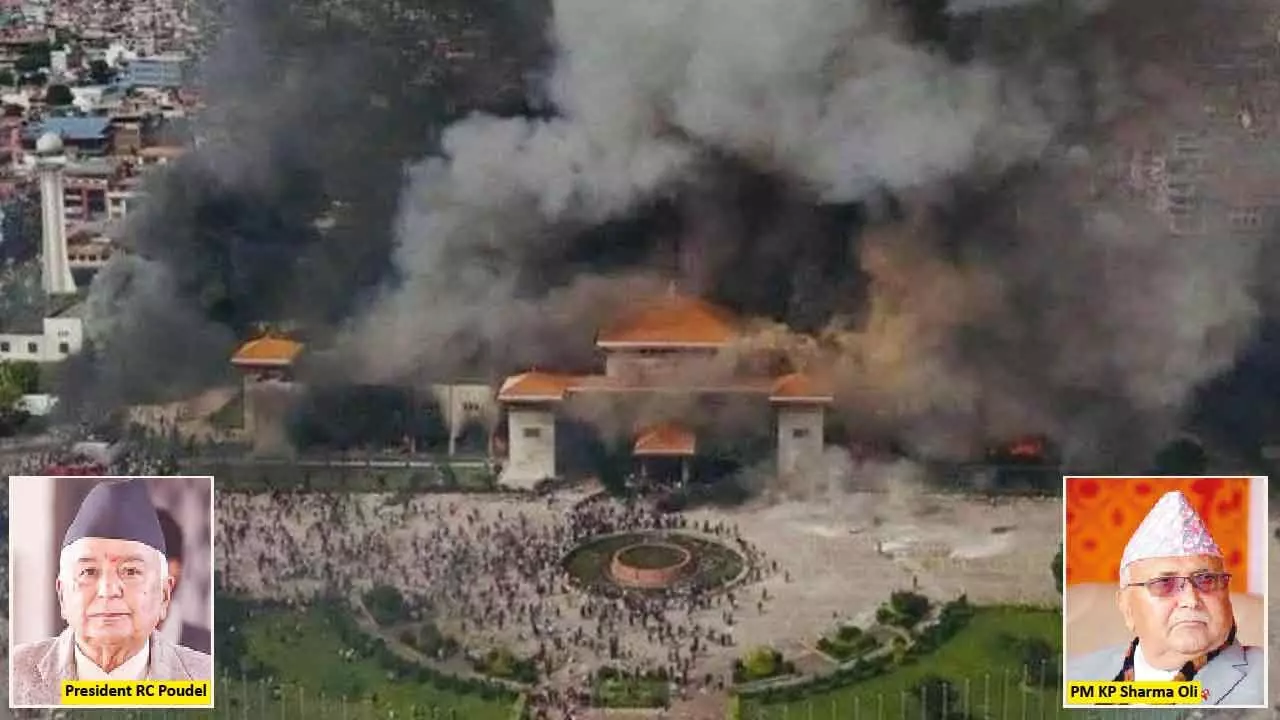
Lawlessness, disorder as protesters run riot on streets Nepal Parliament breached; Prez, PM’s houses set on fire
Kathmandu: Nepal President Ram Chandra Poudel resigned from office on Tuesday following days of intense protests across the country. The resignation came shortly after Prime Minister KP Sharma Oli stepped down amid mounting pressure from youth-led demonstrations and public outrage over corruption and digital censorship.
President Poudel’s resignation marks a historic moment in Nepal’s political landscape, as both the head of state and head of government have exited under public pressure. The twin resignations signal a potential shift in governance and a reckoning for the country’s political elite.
The protests, sparked by the government’s controversial ban on social media platforms and allegations of widespread corruption, have pushed Kathmandu to the brink. Thousands of demonstrators, many from Gen Z, have taken to the streets demanding transparency, accountability, and restoration of digital freedoms. Over 21 people were killed and hundreds injured in the violent anti-corruption agitation - led by 'Gen Z protesters'- for the last two days. "In view of the adverse situation in the country, I have resigned effective today to facilitate the solution to the problem and to help resolve it politically in accordance with the constitution," the PM said in his letter to President Ram Chandra Paudel.
One of the big questions now is who will replace Oli. Kathmandu Mayor Balendra Shah and Parliamentarian Sumana Shrestha are reportedly seen as candidates favoured by the protesters.
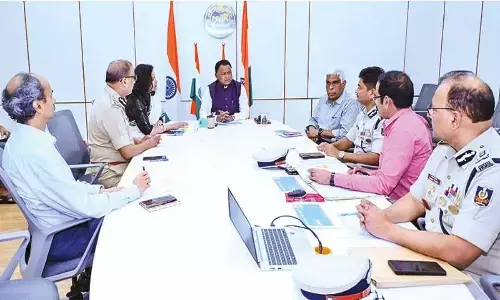
Earlier in the day, Oli, 73, chaired a meeting of all political parties, and said: “Violence is not in the interest of the nation. We have to ensure a peaceful dialogue to find solutions to this problem.”
Oli's resignation was a core demand of the Gen Z protesters. For now, the fate of the Nepali government is unclear. There are reports that the Army will step in till order is restored and a new government is installed.
If true, that will mirror unfortunate events in Sri Lanka in 2022 and Bangladesh in 2024. In both the cases anti-corruption protests forced the Mahinda Rajapaksa and Sheikh Hasina's governments to fall. And, in both cases, the respective militaries were deployed or became involved.
There is also speculation that the country could revert to a monarchy; a 239-year-old monarchy was abolished in May 2008, but there continues to be periodic demands for the 'return of the king'. Visuals showed a war-like situation in capital Kathmandu, with small armies of young men and women occupying public spaces and engaged in pitched battles with the cops.
Plumes of acrid black smoke covered the cityscape. City streets were dotted with burning cars and trucks. And protesters swarmed the walls and gates of the private residences of Oli and Paudel.
Protesters also entered the Singha Durbar - the office of various Nepalese ministries and government offices - after breaking through its western gate, local media said.