US Tariffs Could Slow Growth, Spark Recession: JPMorgan CEO

US Tariffs Could Slow Growth, Spark Recession: JPMorgan CEO
JPMorgan CEO Jamie Dimon warns recent US tariffs may increase inflation and recession risk; urges closer trade ties with India, Brazil.
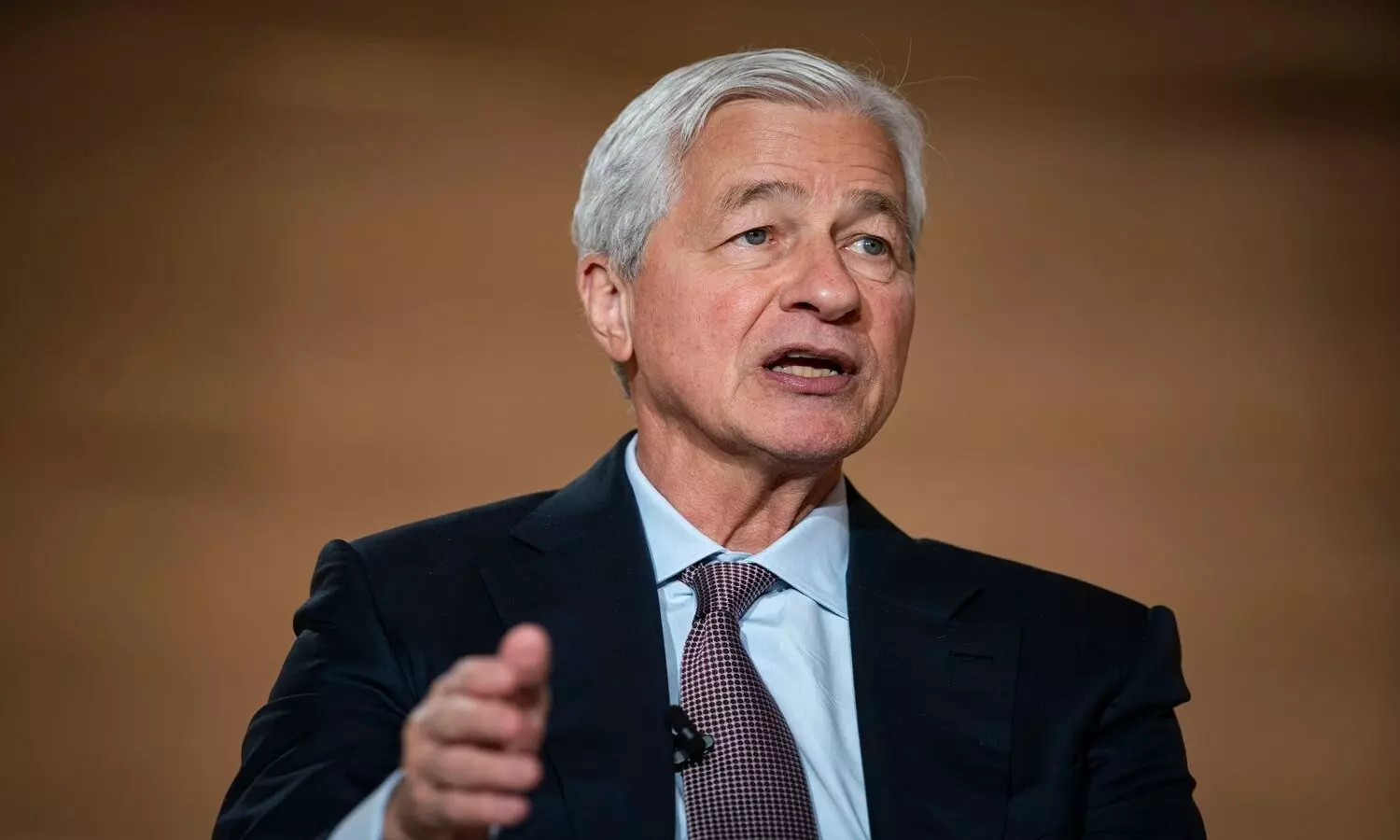
JPMorgan Chase & Co. CEO Jamie Dimon on Monday issued a cautionary note regarding the U.S. administration's latest tariff strategy, stating that it could elevate inflation and potentially lead to a recession.
In his annual letter to shareholders, Dimon said that recent tariff announcements from President Donald Trump are contributing to increased market uncertainty and economic strain. He warned that even in the absence of a full-blown recession, economic expansion is likely to decelerate.
"These tariff decisions are adding pressure to prices and pushing inflation upward," Dimon stated. "This raises the possibility of a downturn in the economy."
He noted that elevated asset prices, persistent inflation, and global instability are adding to concerns. Dimon also flagged issues like high fiscal deficits and volatility in capital markets.
Short-term consequences of the tariffs, according to Dimon, may include rising input costs and a subsequent increase in both import and domestic product prices.
"We expect inflationary effects in the near term. The cost of goods is likely to increase due to elevated input expenses and a shift in demand toward domestically produced items," he said.
Dimon highlighted the need for the U.S. to improve its trade relations, particularly with nations that have not formally aligned with it. He proposed stronger commercial links with India and Brazil.
"Rather than demanding alignment, we should work to foster closer ties through trade and investment with nations like India and Brazil," he wrote.
Washington recently raised duties on Indian imports to 26 per cent and imposed a 10 per cent tariff on goods from Brazil.
Billionaire investor Bill Ackman, who leads Pershing Square Capital, echoed Dimon's concerns, warning of waning international confidence in the U.S. as a reliable trade partner.
"This trajectory risks undermining the U.S.'s credibility in global trade and investment markets," Ackman said.
Political pushback also emerged from Republican Senator Ted Cruz, who signaled internal dissent within the GOP over the economic trajectory. Speaking on his podcast, Cruz warned of electoral fallout.
"If recession hits, especially a severe one, 2026 could turn into a major political setback," he stated.
The economic anxiety was reflected in global financial markets, where investor sentiment turned negative following President Trump's decision to introduce an additional 50 per cent tariff on Chinese products. In retaliation, Beijing imposed 34 per cent duties, taking the overall tariff level on Chinese goods entering the U.S. to 84 per cent.
Despite the financial market turmoil, President Trump defended the trade measures, referring to the tariffs as necessary tools for long-term economic correction.
"This is a remedy the country needs," Trump said, maintaining his stance amid escalating global trade tensions.