Election Commission Stands Firm On Bihar Voter List Overhaul Amid Legal Challenges

Chief Election Commissioner Gyanesh Kumar defends Bihar's electoral roll revision exercise, citing strong voter participation and emphasizing the need for clean voter lists to strengthen democracy.
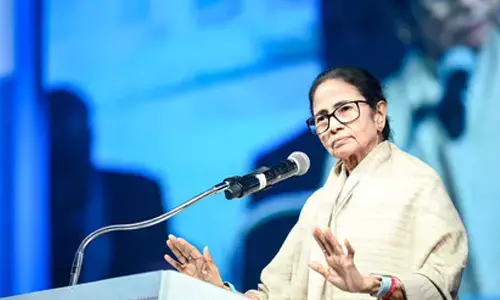
The Election Commission of India has strongly defended its decision to conduct a comprehensive revision of Bihar's electoral rolls, with Chief Election Commissioner Gyanesh Kumar emphasizing that accurate voter lists are essential for maintaining democratic integrity. Speaking to booth-level officers, Kumar highlighted the positive response from Bihar's electorate to the Special Intensive Revision exercise currently underway.
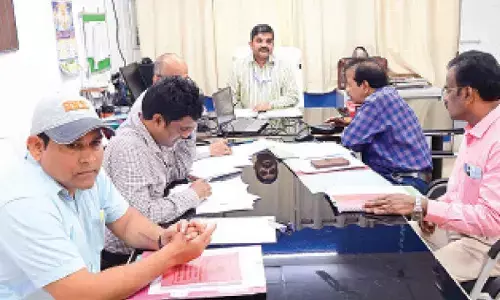
Kumar revealed that the revision process has achieved significant momentum, with more than 57 percent of required enumeration forms successfully collected as of Wednesday. This substantial participation rate comes with 16 days still remaining in the exercise, suggesting strong engagement from voters across the state.
The Chief Election Commissioner expressed confidence in the process, stating that the Election Commission of India maintains its unwavering commitment to supporting Indian voters. He emphasized that maintaining "pure" electoral rolls is not optional but essential for strengthening democratic institutions and processes.
These statements come as the Election Commission faces mounting legal pressure from opposition parties who have challenged the revision exercise in the Supreme Court. Multiple political parties have questioned the timing and intent of the Special Intensive Revision, particularly given its proximity to Bihar's upcoming assembly elections.
The Commission has consistently maintained its position that this comprehensive revision is both necessary and overdue. Officials point out that the last similar exercise was conducted 22 years ago, making the current revision essential for maintaining electoral integrity. The stated objectives include removing ineligible voters and duplicate entries from the rolls while ensuring that all qualified citizens are properly registered to vote.
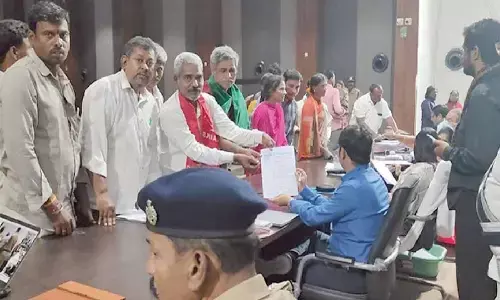
The legal challenge has gained significant traction, with the Supreme Court agreeing to hear multiple petitions on July 10. The opposition to the revision exercise spans across several major political parties, including Congress, NCP (Sharad Pawar faction), Shiv Sena (UBT), Samajwadi Party, JMM, CPI, and CPI(ML), who have filed joint petitions questioning the poll panel's decision.
The timing of the revision has become a particular point of contention, as it coincides with preparations for Bihar's assembly elections scheduled for later this year. Opposition parties argue that the exercise could potentially disenfranchise eligible voters, while the Election Commission maintains that it is conducting the revision in accordance with constitutional provisions and legal requirements.
The Commission's defense of the exercise reflects its commitment to ensuring electoral integrity while managing political criticism. Kumar's emphasis on the enthusiastic participation of Bihar voters serves as a counterargument to claims that the revision is unwanted or unnecessary. The high collection rate of enumeration forms suggests that voters are actively engaging with the process, despite the political controversy surrounding it.
As the Supreme Court prepares to hear the legal challenges, the Election Commission continues to move forward with its timeline for completing the revision. The outcome of the court proceedings could have significant implications for both the revision process and the scheduling of Bihar's assembly elections.