United Airlines Boeing 787 Makes Emergency Landing After Engine Failure

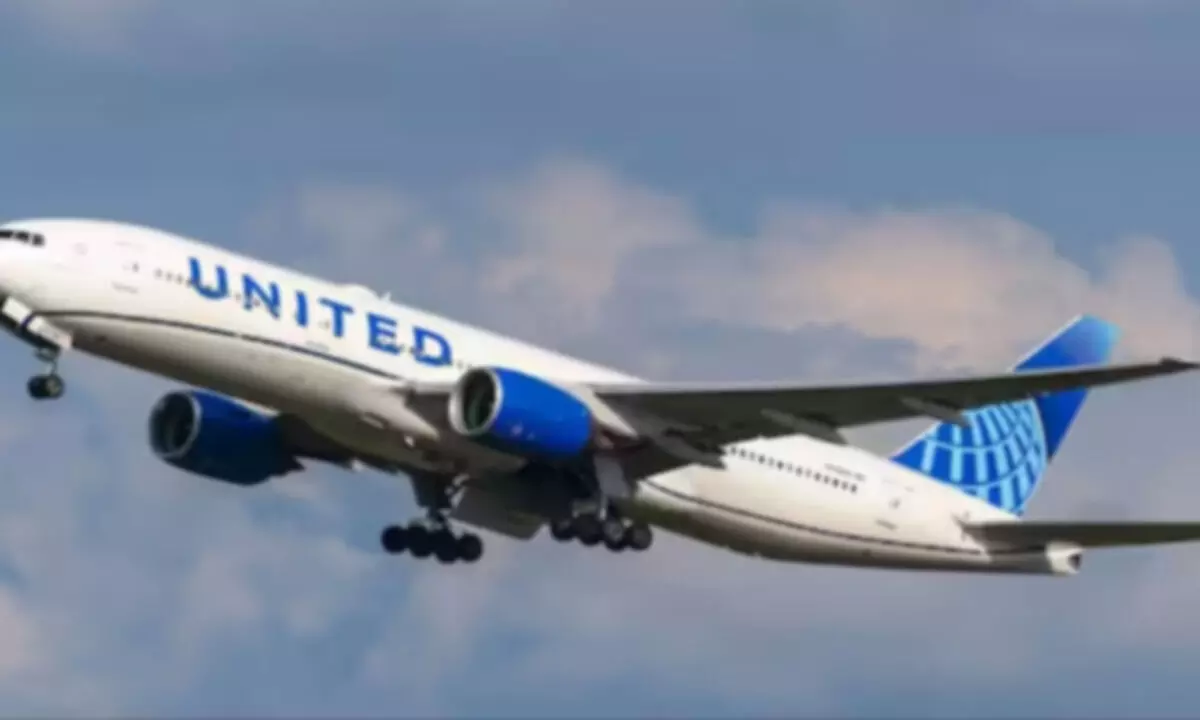
A United Airlines Boeing 787-8 Dreamliner bound for Munich declared a "MAYDAY" emergency and returned to Washington Dulles Airport after experiencing critical left engine failure shortly after takeoff on July 25.
A United Airlines Boeing 787-8 Dreamliner experienced a critical in-flight emergency last week when its left engine failed during the initial climb phase, forcing the crew to declare an emergency and execute an unscheduled return to Washington Dulles Airport. The incident occurred on July 25 during what was intended to be a routine transatlantic flight to Munich.
United Airlines Flight UA108 had departed Washington Dulles Airport as scheduled when the engine malfunction manifested shortly after reaching an altitude of 5,000 feet. The timing of the failure, occurring during the critical climb phase of flight, required immediate action from the flight crew to ensure passenger and aircraft safety.
Upon recognizing the severity of the engine problem, the pilots promptly declared a "MAYDAY" emergency, the highest level of aviation distress call, signaling to air traffic controllers that the aircraft was facing a life-threatening situation requiring immediate assistance and priority handling.
The flight crew worked in close coordination with air traffic controllers to manage the emergency situation safely. Their primary concerns included reducing the aircraft's weight to safe landing parameters and ensuring adequate separation from other air traffic while maneuvering the disabled aircraft back to the departure airport.
According to flight tracking data from FlightAware, the Boeing 787-8 remained airborne for approximately 2 hours and 38 minutes following the engine failure. This extended flight time was necessary to complete essential safety procedures before attempting a landing with the compromised aircraft.
The pilots requested permission from air traffic controllers to dump fuel while maintaining a steady altitude of 6,000 feet. This fuel dumping procedure was crucial for reducing the aircraft's weight to within safe landing limits, as commercial aircraft typically carry much more fuel than the maximum allowable landing weight.
During the fuel dumping process, the aircraft entered a holding pattern northwest of Washington, circling repeatedly in a designated area while safely discharging excess fuel into the atmosphere. Air traffic controllers provided guidance to ensure the distressed aircraft maintained safe separation from other flights operating in the busy Washington airspace.
Controllers carefully managed the emergency situation by directing other aircraft away from the fuel dumping area and providing continuous guidance to the United Airlines crew throughout the extended emergency procedures. This coordination was essential for maintaining aviation safety standards during the critical phase of the incident.
Once the fuel dumping procedure was completed and the aircraft had reached an acceptable weight for landing, the pilots sought clearance to approach Washington Dulles Airport using an Instrument Landing System approach to Runway 19 Centre. This precision approach system provided electronic guidance for a safe landing despite the engine failure.
The emergency landing was executed successfully without injuries to passengers or crew members aboard the aircraft. However, the disabled left engine rendered the Boeing 787-8 unable to taxi under its own power following touchdown, requiring ground support equipment to move the aircraft.
Airport ground crews were required to tow the immobilized Boeing 787-8 Dreamliner off the active runway to clear the way for other aircraft operations. The aircraft's inability to move independently highlighted the extent of the engine damage sustained during the in-flight emergency.
As of Monday following the incident, the affected Boeing 787-8 remained grounded at Washington Dulles Airport while awaiting detailed technical assessment and repair work. The extended grounding suggests that the engine failure may have caused significant damage requiring comprehensive maintenance before the aircraft can return to service.
United Airlines and relevant aviation safety authorities are expected to conduct thorough investigations into the technical malfunction to determine the root cause of the engine failure. Such investigations are standard procedure following serious in-flight emergencies and help identify potential safety improvements.
The incident adds to ongoing scrutiny of Boeing aircraft safety, particularly given recent high-profile issues with various Boeing models. However, the successful emergency response and safe landing demonstrate the effectiveness of established aviation safety protocols and crew training procedures.
Aviation safety experts will likely examine maintenance records, engine performance data, and operational procedures to understand how the failure occurred and whether any systemic issues contributed to the malfunction. The investigation findings may influence future maintenance requirements and safety protocols for similar aircraft.