OpenAI Enhances ChatGPT with Mental Health Features Ahead of GPT-5 Launch

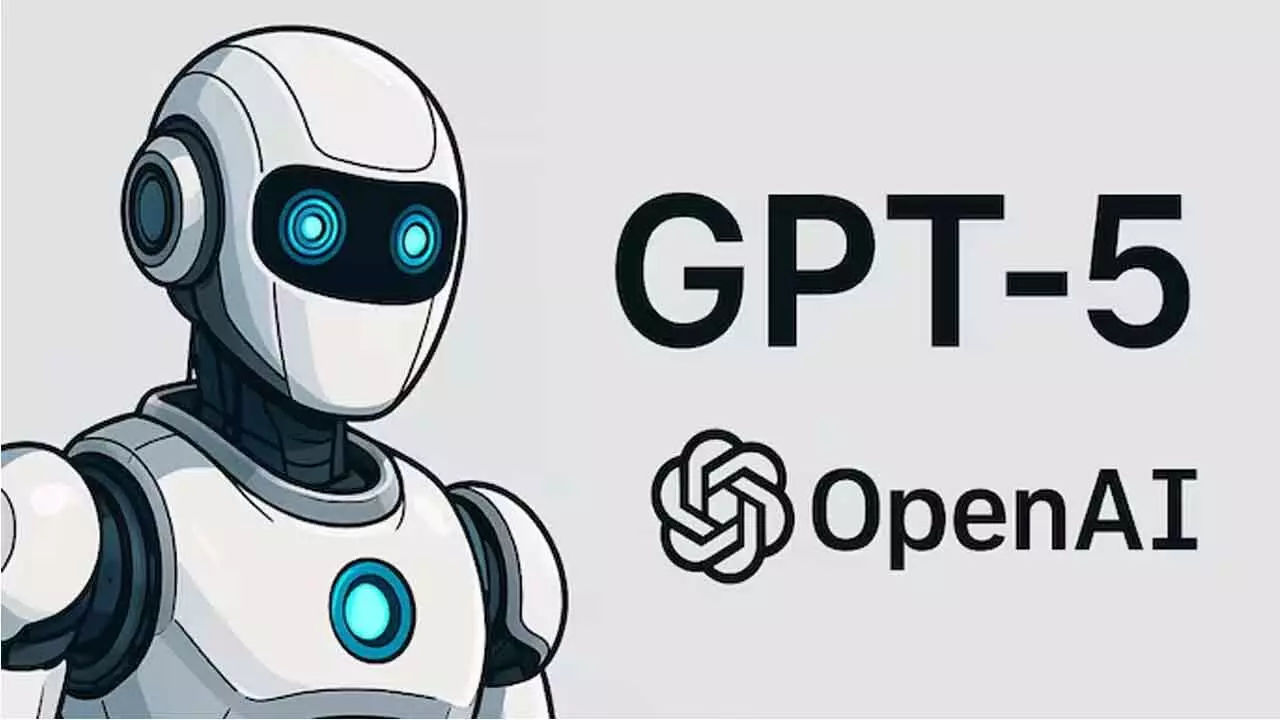
OpenAI introduces mindful usage and emotional safety features in ChatGPT, setting the stage for the powerful GPT-5 model launch.
As the highly anticipated launch of GPT-5 draws near, OpenAI is rolling out a fresh set of enhancements to ChatGPT—this time, with a focus on mental health and responsible usage. The update includes subtle prompts encouraging users to take breaks, more thoughtful handling of emotionally sensitive topics, and improvements in recognizing distress, all aimed at making AI interactions healthier and more human-centric.
A Nudge Toward Balance
OpenAI has introduced gentle reminders for users to step away from the screen if they’ve been engaged in lengthy conversations with ChatGPT. These prompts are not designed to interrupt but rather to foster healthy digital habits.
“We build ChatGPT to help you thrive in all the ways you want. To make progress, learn something new, or solve a problem, and then get back to your life,” OpenAI stated.
This move underscores the company’s vision of creating technology that supports personal growth without encouraging overdependence.
Thoughtful Responses to Emotional Queries
ChatGPT will now respond differently to sensitive or emotionally complex questions—especially those related to relationships or personal struggles. Rather than offering black-and-white answers, the AI will provide balanced guidance to help users consider their options more carefully.
This update is part of a broader strategy to ensure that AI remains a tool for support, not a replacement for real human advice—especially in mental health or high-stakes decision-making.
Prioritizing Emotional Safety
OpenAI is also refining how ChatGPT detects signs of emotional distress. The goal is to make sure the chatbot doesn’t reinforce harmful patterns or foster unhealthy reliance. Instead, it will gently direct users to professional resources or suggest seeking help from experts when appropriate.
To support this initiative, OpenAI collaborated with over 90 medical professionals from 30 different countries, as well as researchers in human-computer interaction. This global perspective has helped shape the way ChatGPT manages deeper, more personal conversations.
GPT-5 and New Subscription Plans Incoming
These updates come in tandem with growing anticipation for GPT-5, OpenAI’s next-generation AI model. In a recent podcast, CEO Sam Altman shared that testing the model left him “nervous” due to its advanced capabilities. He even likened the breakthrough to the Manhattan Project, hinting at the potential significance of this evolution in AI.
In addition to GPT-5, OpenAI may launch a new, more affordable subscription tier named “Go.” A user on X (formerly Twitter) spotted references to the Go plan in the ChatGPT app code, though OpenAI has yet to confirm it officially. If true, the plan would offer a budget-friendly alternative to the current $20/month Plus tier.
Added Usability Features in Testing
Beyond mental health upgrades, OpenAI is also testing usability features like pinning important chats and saving favourites in the web version of ChatGPT. These enhancements aim to improve user experience and navigation.
As OpenAI continues refining its products, this latest set of updates signals a meaningful shift toward blending AI innovation with ethical responsibility—an approach many in the tech community believe is long overdue.