iPhone 17 Pro vs. iPhone 16 Pro: Major Camera Upgrades Explained

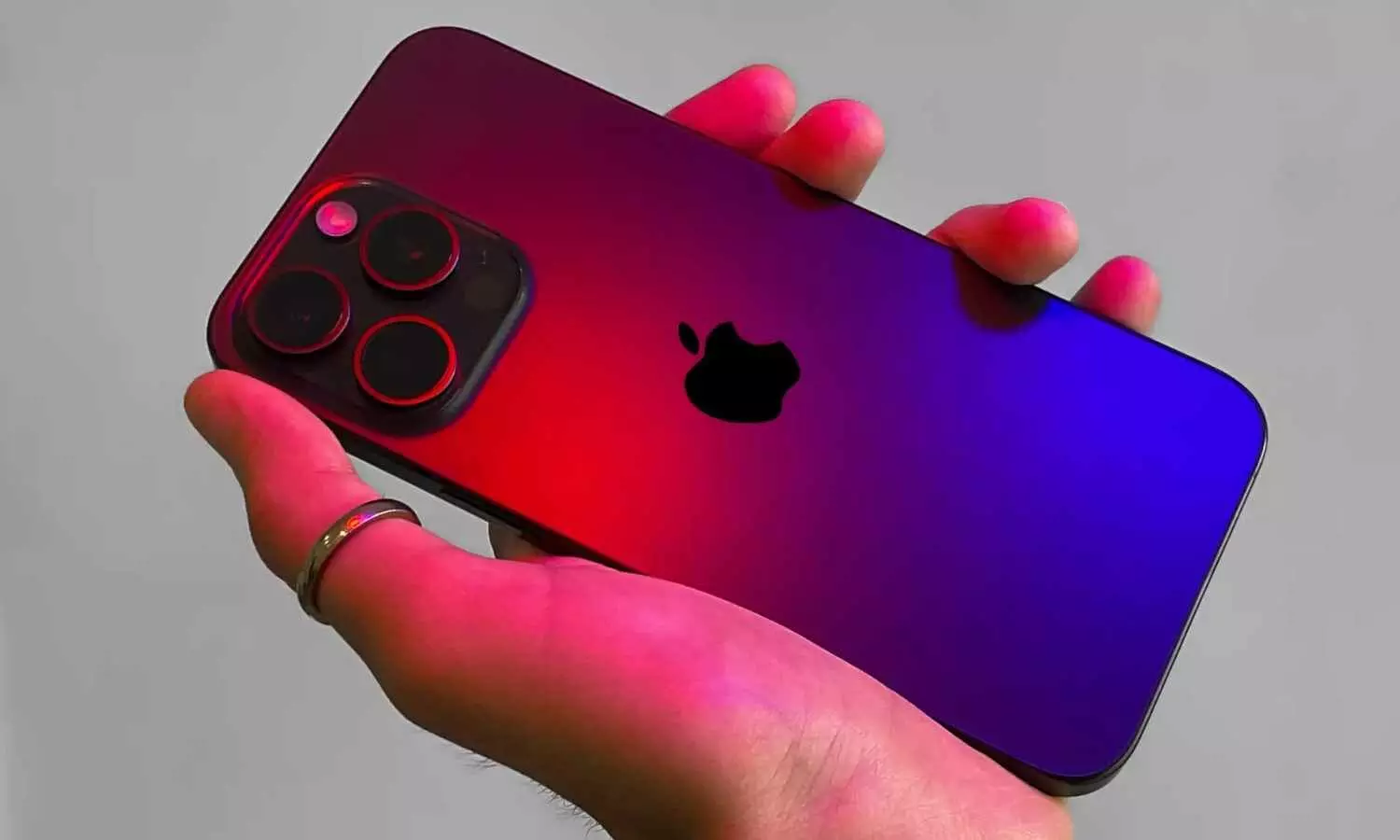
Apple’s iPhone 17 Pro Event Hints at Two Surprising Upgrades
Apple iPhone 17 Pro brings major camera upgrades over iPhone 16 Pro, featuring 48MP sensors, a new telephoto lens, AI enhancements & a redesigned layout.
Apple is expected to introduce significant camera advancements with the iPhone 17 Pro, enhancing smartphone photography beyond its predecessor, the iPhone 16 Pro. The updated camera system is anticipated to feature a redesigned layout, improved sensors, and enhanced imaging capabilities, making it a compelling choice for photography enthusiasts.
Reports suggest that all three rear cameras on the iPhone 17 Pro will feature 48MP sensors. This marks a significant jump from the iPhone 16 Pro’s telephoto lens, which remains at 12MP. With high-resolution imaging on the main, ultra-wide, and telephoto lenses, users can expect sharper photos, improved performance in low-light conditions, and enhanced clarity.
Apple is reportedly upgrading the telephoto camera on the iPhone 17 Pro to a 48MP Tetraprism lens, replacing the 12MP variant found in the iPhone 16 Pro. The new system is expected to offer superior zoom capabilities and improved image stabilization. The revised prism technology may also lead to a more compact camera bump, refining the overall device design.
The iPhone 17 Pro is anticipated to feature a 24MP front-facing camera, doubling the resolution of the 12MP sensor found in the iPhone 16 Pro. This improvement will result in sharper selfies, better portrait shots, and enhanced performance in low-light conditions, offering users a superior front-facing photography experience.
A new rectangular camera module with an aluminum finish is expected on the iPhone 17 Pro. The redesigned layout may position the three camera lenses on the left side, with the LiDAR scanner, LED flash, and microphone aligned on the right. This adjustment aims to improve symmetry, balance, and overall aesthetics.
A notable feature anticipated in the iPhone 17 Pro is the inclusion of a mechanical aperture. Unlike the fixed aperture found in previous models, this upgrade could allow users to adjust light intake manually. The feature is expected to enhance control over background blur, exposure, and depth of field, making it a significant addition for professional-grade photography.
Despite reports of a slight reduction in the main camera sensor size from 1/1.28 inches to 1/1.3 inches, Apple is likely to compensate with advanced computational photography and AI-powered image enhancements. These improvements are expected to boost dynamic range, noise reduction, and overall image quality.