Sam Altman Defends Policy Shift as OpenAI Eases Adult Content Rules: “We’re Not the Moral Police of the World”

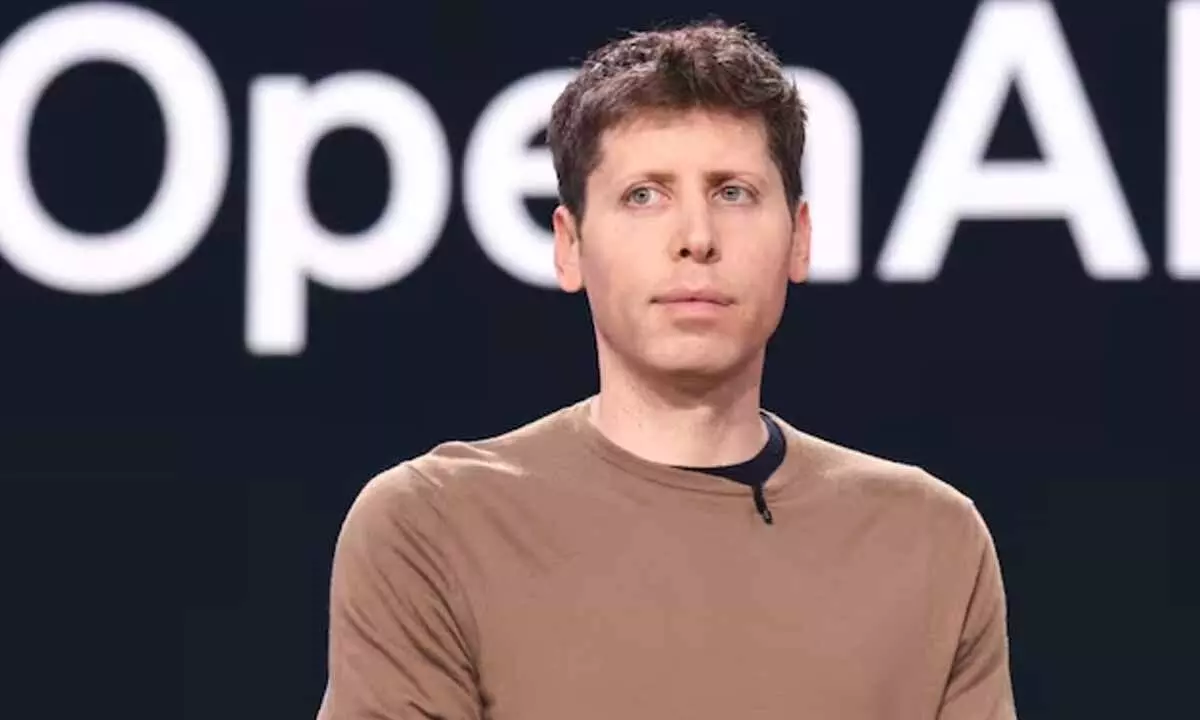
Sam Altman defends OpenAI’s decision to allow adult content for verified users, saying the company isn’t the world’s moral authority.
OpenAI CEO Sam Altman has sparked a fresh wave of public debate after announcing that the company would loosen restrictions on adult content, including erotica, for verified adult users. The policy shift, aimed at expanding creative freedom on ChatGPT, has ignited strong reactions from advocacy groups and regulators concerned about user protection and ethical responsibility.
The move comes amid growing regulatory scrutiny, including an FTC investigation into the effects of AI chatbots on minors and a wrongful death lawsuit alleging that ChatGPT contributed to a teenager’s suicide. These developments have placed OpenAI’s safety measures under intense examination, especially regarding how the platform protects vulnerable users.
Responding to mounting criticism, Altman stated that OpenAI is “not the elected moral police of the world,” emphasizing that while the company is deeply committed to safety, it does not seek to impose moral standards globally. His remarks followed public backlash from advocacy groups who argued that allowing explicit content could worsen mental health issues and expose minors to inappropriate material.
To address these concerns, OpenAI has rolled out new parental controls and is developing an age prediction system that automatically enforces teen-appropriate settings for users under 18. The company has also established an advisory council of eight experts focused on the psychological and emotional impacts of AI interaction, reflecting a broader effort to manage the ethical dimensions of artificial intelligence.
Altman acknowledged that his comments had “blown up more than he anticipated,” but reiterated that OpenAI has developed new tools and safeguards allowing it to “safely relax most restrictions.” He stated, “OpenAI will be able to ‘safely relax’ most restrictions now that it has new tools and has been able to mitigate serious mental health issues.”
In December, Altman confirmed plans to allow more content—including erotica—on ChatGPT for verified adults. Clarifying the company’s stance, he said, “OpenAI cares very much about the principle of treating adult users like adults, but it will still not allow things that cause harm to others.”
Drawing an analogy to established social norms, Altman compared OpenAI’s policy to age-based restrictions in entertainment: “In the same way that society differentiates other appropriate boundaries (R-rated movies, for example), we want to do a similar thing here.”
However, the CEO’s latest position contrasts with his earlier statements, where he expressed pride in OpenAI’s decision to avoid developing features like “sex bot avatars”, even if such options might boost engagement and profits.
Altman reaffirmed OpenAI’s long-term vision, saying, “There’s a lot of short-term stuff we could do that would really juice growth or revenue and be very misaligned with that long-term goal.”
As OpenAI balances user autonomy with safety and ethical responsibility, the debate around AI content moderation continues to intensify. The company’s evolving stance highlights the complex challenge of fostering freedom of expression in the digital age while ensuring responsible innovation and protection for all users.